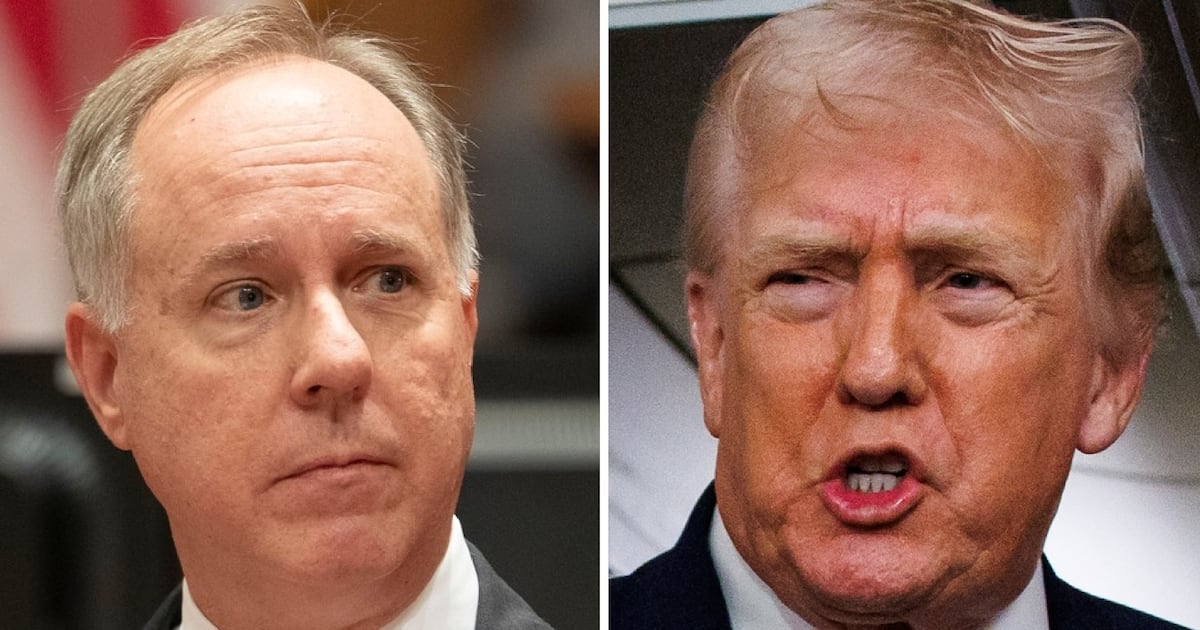
Wisconsin Assembly Speaker Robin Vos, 57, announced he will step down at the end of 2026 after a record 14 years as speaker, citing a mild heart attack in November among factors shaping his decision. Vos’s tenure was marked by a high-profile break with former President Trump over a post‑2020 election probe led by Justice Michael Gableman — a probe Vos now says was a mistake and is seeking to have Gableman’s law license revoked — and by legislative moves that curtailed Democratic Gov. Tony Evers’s powers. The departure is significant for Wisconsin state politics and potential future legislative fights, but it is unlikely to have material direct impact on broader financial markets.
Market structure: Vos’s announced exit is a state-level governance event with localized winners and losers — utilities and infrastructure contractors in Wisconsin (WEC, LNT, construction suppliers) stand to benefit if legislative gridlock eases, while firms depending on a hardline GOP legislature (certain private prisons, niche tax-advantaged operators) lose a predictable blocker. Expect incremental shifts in state regulatory gating (permits, rate cases, state contracting) over 6–18 months rather than immediate national flows; pricing power shifts will be modest (single-digit revenue exposure for large caps) but meaningful for regional names.
Risk assessment: Tail risks include a contested GOP succession that hardens positions (low-probability, high-impact for regulatory reversals) and nationalized retaliation from Trump-aligned actors that could re-ignite recalls or litigation; these could move muni spreads and regional bank stocks by 50–150 bps within weeks. Near-term (days–weeks) volatility should be low; watch 3–6 month legislative calendars and 2026 election signals as primary catalysts. Hidden dependencies: state budget cycles (spring/summer bill windows) and federal infrastructure/grant timing drive realized outcomes.
Trade implications: Favor small, time-boxed exposure to Wisconsin-regional beneficiaries: 6–12 month call spreads on WEC (WEC) and Alliant (LNT), selective overweight to WI-backed munis if spreads >40 bps vs. comparable AA munis, and a tactical long WEC / short ASB pair (each 0.5–1% notional) to express regulatory tailwinds vs. regional bank cyclicality. Use protective stops (10% on equity leg, tighten if legislative odds swing >20 points) and consider buying 3–6 month puts on a Wisconsin small-cap basket as a tail hedge.
Contrarian angles: The market underestimates how a single legislative leadership change can accelerate permitting and rate-case approvals — a 1–3% EPS lift over 12–24 months is plausible for utilities with heavy state-regulated revenue. Conversely, the reaction is likely underdone on muni credit: if cohesion between governor and legislature improves, WI GO spreads could tighten sharply (25–75 bps) — opportunities exist to capture mean reversion before broader investors reprice state risk.
AI-powered research, real-time alerts, and portfolio analytics for institutional investors.
Request DemoOverall Sentiment
neutral
Sentiment Score
0.00
