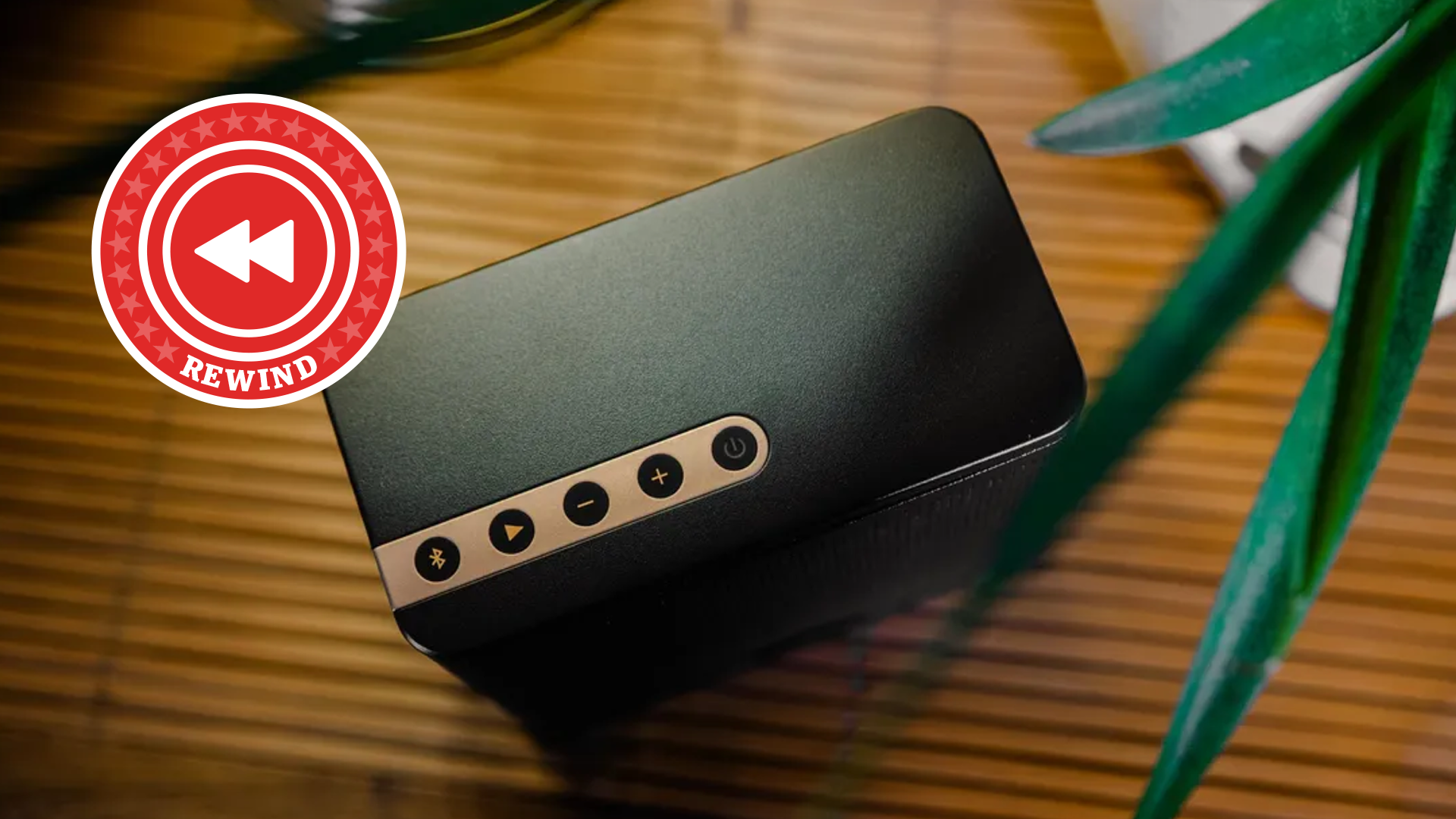
Major consumer AV brands are rolling out premium products ahead of CES 2026: LG unveiled a Micro RGB Evo TV using an Alpha 11 Gen 3 processor and RGB Mini‑LED control, while Samsung previewed 2026 RGB Mini LED models (55–100in plus a 115in Micro RGB) with a new Micro RGB AI Engine Pro and Dolby Atmos support. Niche hi‑fi makers are also active — Pro‑Ject launched the CD Box RS2 Tube (balanced tube output, XLR/RCA, optical/coax, built‑in DAC) at £1,749 (~$2,300), Elac released its first portable Bluetooth speaker (NAVA100, Bluetooth 5.3, 15h battery) to mark 100 years, and Rega and Clearaudio turntables were compared in head‑to‑head testing. The releases indicate continued premiumization and product‑cycle investment in the home AV market, but contain limited immediate implications for public markets absent corporate financials or guidance.
Market structure: Premium TV incumbents (Samsung Electronics 005930.KS, LG’s display business) and premium audio brands (Sony SONY) are extending product-tiering with RGB Mini/Micro LED and differentiated audio (subwoofers, tube CD players). This likely sustains ASPs in premium segments—expect a 10–20% ASP premium on Mini‑LED models vs standard LED TV SKUs in the first 12 months—and pressures mid‑range LCD pricing. Retailers and component suppliers (LED driver manufacturers, mini‑LED fabs) gain share; generic portable-speaker incumbents face margin compression.
Risk assessment: Near-term catalyst concentration around CES 2026 (3–6 weeks) creates binary reaction risk; supply shocks (panel fab disruptions) or component shortages could widen margins by >200–400bps for winners or trigger stock drawdowns >15% for exposed OEMs. Longer term (3–24 months) risks include faster OLED cost declines, regulatory tariffs on China-sourced panels, and content-format fragmentation (Dolby Atmos/Vision choices) that alter accessory demand. Hidden dependency: TV upsell depends on retailer promotional cadence and holiday inventory cycles—watch wholesale inventories and freight rates.
Trade implications: Tactical directional: 1–3% long positions in 005930.KS and SONY (SONY) into CES with 6–12 week horizon; use 3‑month call spreads to cap premium (buy 3‑month 5–7% OTM calls, sell 10–12% OTM). Pair trade: long Samsung (005930.KS) vs short a small consumer-audio pure-play ETF or sub‑component maker with weak balance sheet to exploit scale advantages. Rotate 2–4% from broad consumer discretionary into semiconductors/LED-driver suppliers if inventory days decline by >10% quarter-over-quarter.
Contrarian angle: Consensus overweights CES product PR; the market may underprice execution risk—if OLED manufacturing costs drop faster, Mini‑LED could be a stopgap with limited 2027 upside. Consider selling options premium on smaller premium‑TV pure plays that lack vertical integration; historical parallels: 2018 LCD oversupply led to 20–30% mid-cap TV OEM drawdowns within 6–9 months. Unintended consequence: aggressive promotion of premium TVs can accelerate replacement cycles and compress lifetime ASPs after year two—avoid multi-year buy-and-hold without re-evaluating panel cost curves.
AI-powered research, real-time alerts, and portfolio analytics for institutional investors.
Request DemoOverall Sentiment
mildly positive
Sentiment Score
0.28
Ticker Sentiment
