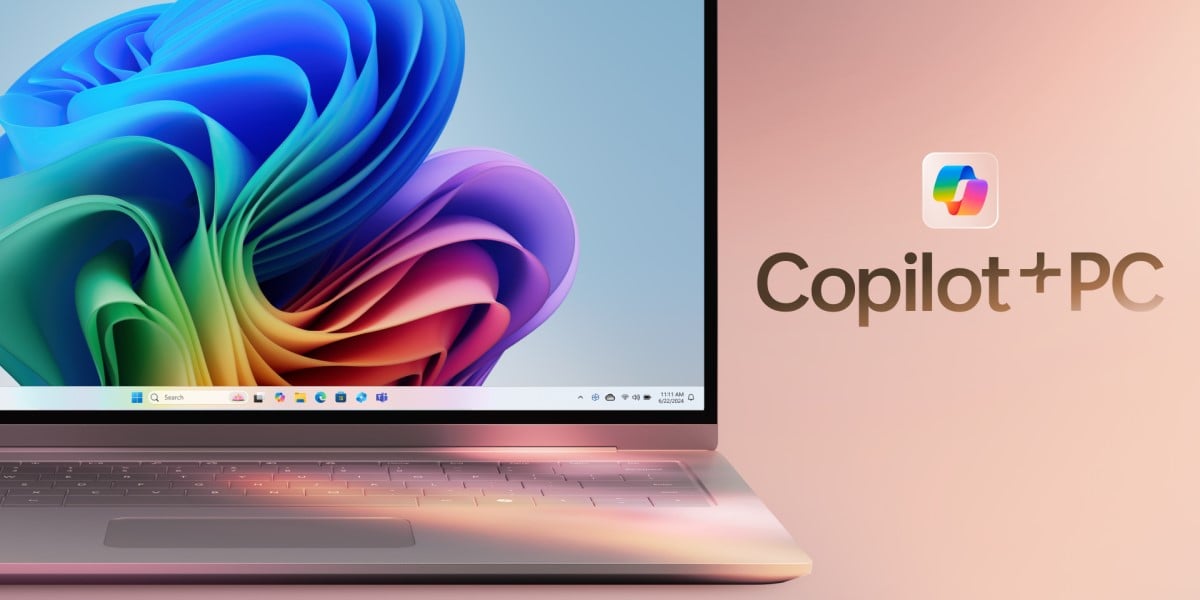
Microsoft is aggressively promoting its Copilot+ PCs as a transformative shift driven by on-device AI and Windows on Arm, yet market reception remains tepid among enterprise customers. Analysts cite a 57% higher average purchase price and a lack of compelling "killer apps" as key deterrents, suggesting the primary beneficiaries are hardware manufacturers and Microsoft's bottom line through higher-priced devices rather than widespread user demand for the AI features. Despite Microsoft's claims of improved app compatibility, the article implies sales volumes may continue to underperform ambitious projections without a clear, indispensable use case for the integrated AI.
Microsoft's (MSFT) aggressive promotion of Copilot+ PCs as a "transformative shift" is meeting significant market resistance, particularly from enterprise customers. The primary obstacles identified by analysts are a 57% higher average purchase price and a conspicuous lack of a "killer app" to justify the premium. This suggests the current AI PC push is more beneficial to the bottom lines of hardware OEMs like HP (HPQ), which reported AI PCs constitute a quarter of its sales, and Microsoft itself, rather than delivering a compelling value proposition to end-users. Despite Microsoft's claims of "breakthrough performance" and that the app compatibility gap on its Windows on Arm platform is now a "non-issue," the reality appears less impressive. The touted AI features, such as eyeball correction, are perceived as non-essential, and many ported applications run perfectly well on hardware without dedicated AI silicon. Furthermore, Microsoft's battery life claims of up to 22 hours were not substantiated in testing, which yielded a more modest 10 hours. The primary driver for near-term PC upgrades appears to be the impending end of Windows 10 support, indicating a forced refresh cycle rather than organic demand for AI capabilities. This dynamic, coupled with Microsoft's defensive benchmarking against Apple (AAPL), underscores the risk that sales volumes will continue to lag behind corporate projections without a truly indispensable use case for on-device AI.
AI-powered research, real-time alerts, and portfolio analytics for institutional investors.
Overall Sentiment
strongly negative
Sentiment Score
-0.75
Ticker Sentiment
