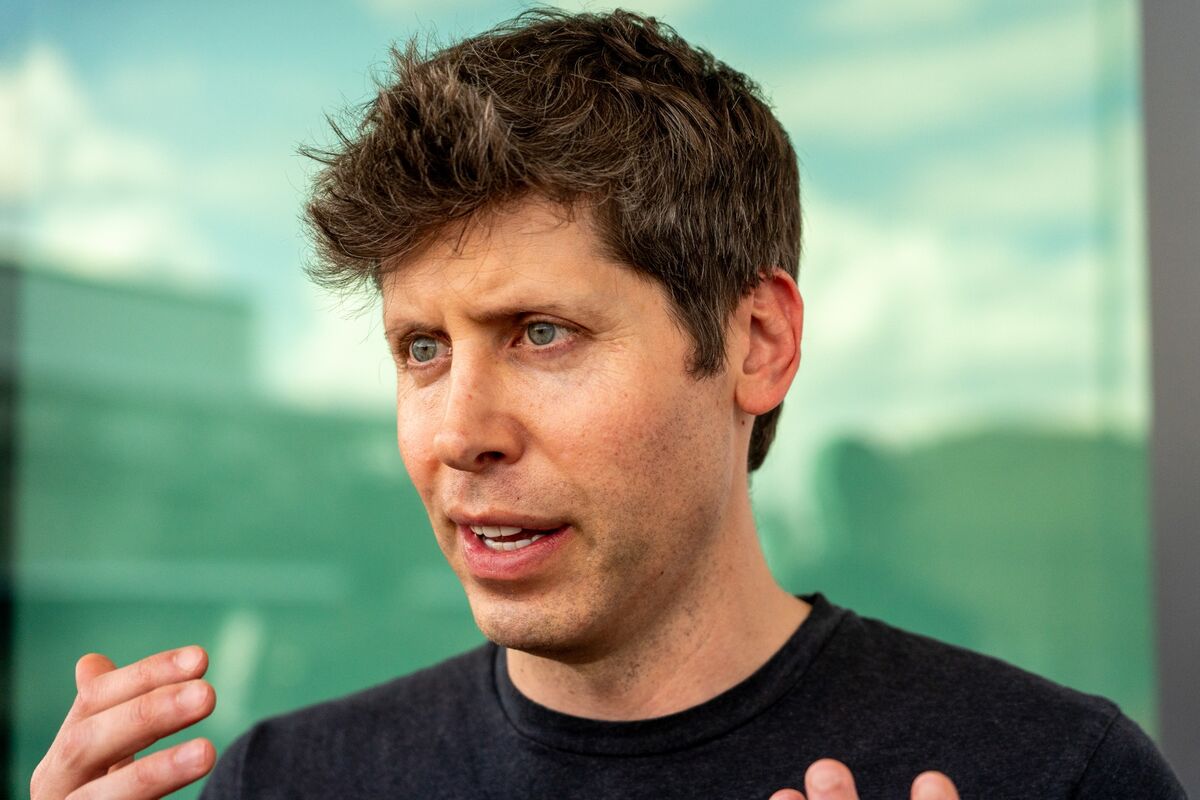
OpenAI CEO Sam Altman has declared a "code red" and issued an internal memo redirecting resources to a short-term surge to improve ChatGPT, explicitly asking staff to delay work on other initiatives such as autonomous AI agents and advertising. The move reflects heightened competitive pressure from Google's recent AI advancements and signals potential near-term setbacks to OpenAI's broader product roadmap and monetization efforts as the company prioritizes core model improvements.
Market structure: Altman’s “code red” signals intensifying head-to-head competition—near-term winners include Google (GOOGL) and GPU suppliers (NVDA) as incumbents monetize product parity, while smaller AI app vendors and monetization-dependent partners face pricing and margin pressure. Expect cloud compute demand to rise 10–25% incremental vs baseline over 6–12 months, tightening GPU supply and sustaining vendor pricing power; GOOGL benefits via product-led share gains and ad/enterprise upsell optionality.
Risk assessment: tail risks include regulatory intervention (antitrust remedies or advertising/privacy fines >$5bn over multi-year timelines) and an operational safety incident from rushed model updates causing service suspensions and reputational losses within 0–12 months. Hidden dependencies: GPU supply chains, enterprise contract timing, and Microsoft/OpenAI commercial linkages could amplify swings; catalysts to watch are Google I/O and quarterly cloud/AI revenue prints in the next 30–90 days.
Trade implications: tactically favor large-cap cloud/AI infrastructure exposure and hedge consumer AI pure-plays—actionable vehicles are GOOGL and NVDA calls while shorting AI-focused ETFs/SMID names. Use 3–6 month option structures to express directional view and buy 6–12 month protective puts sized to 3–5% notional to guard against regulatory shocks; target asymmetric returns of +25–40% on winners with -10–15% stop-losses.
Contrarian angles: consensus presumes OpenAI weakness; code red may instead accelerate parity and raise demand for compute suppliers—so NVDA upside could be underpriced and GOOGL’s product moat underappreciated. Conversely, delaying OpenAI ad monetization creates a 2–4 quarter revenue gap that could produce a buying window in affected public partners; monitor model-safety incidents and GPU spot prices for early signals.
AI-powered research, real-time alerts, and portfolio analytics for institutional investors.
Request DemoOverall Sentiment
mildly negative
Sentiment Score
-0.25
Ticker Sentiment
