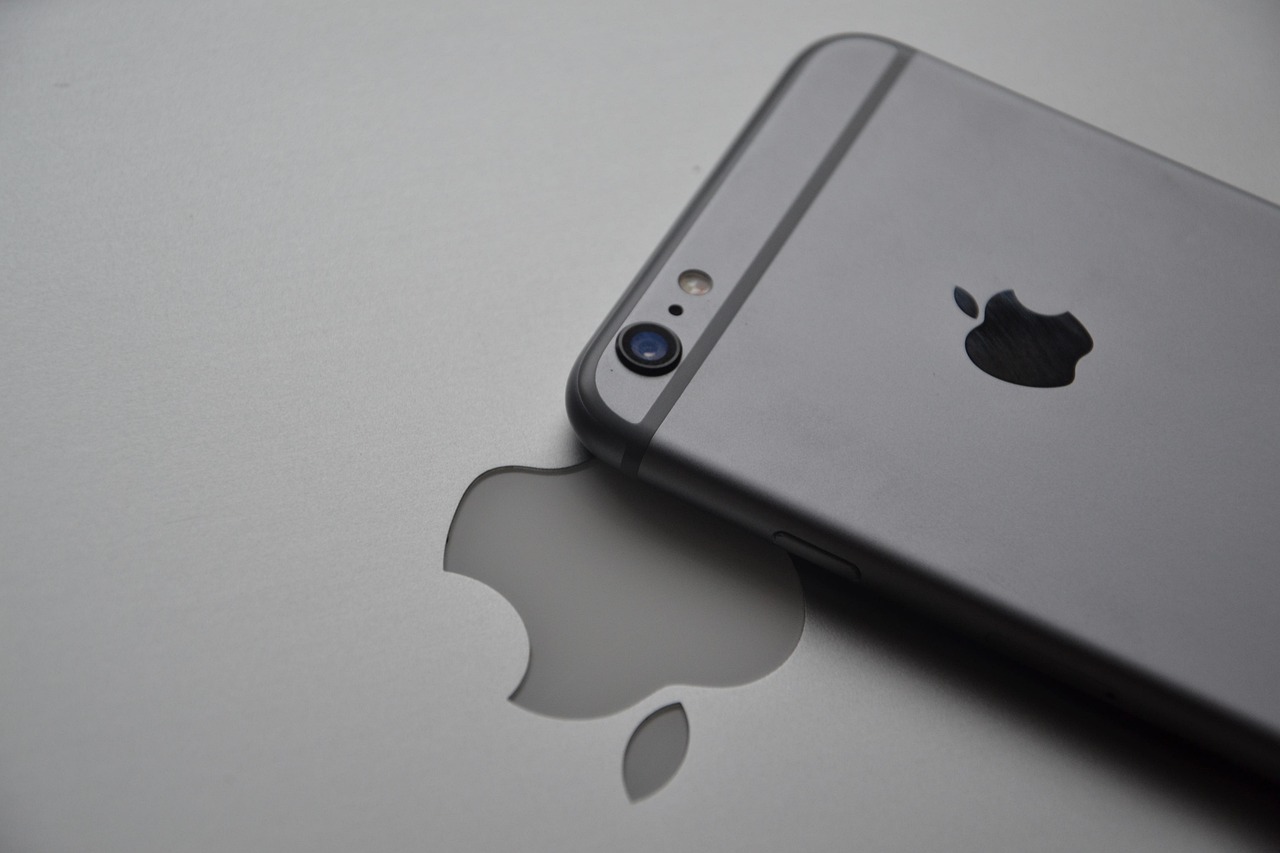
Apple's iPhone 18 is positioned to deliver meaningful battery-life improvements driven by an efficiency-focused Apple A20 chip and tighter iOS 26 power management rather than substantially larger batteries. If leaks hold, these efficiency gains could increase usable screen-on time, supporting upgrade demand among older-device users and helping Apple remain competitive against rivals investing in battery chemistry and power-saving features, though specifications remain unofficial and subject to change.
Market structure: Apple (AAPL) is the clear direct beneficiary — improved endurance that is marketed convincingly can sustain ASPs in the premium tier and increase upgrade rates among devices 3+ generations old, implying a potential incremental unit uplift of 3–7% over the next 12 months if leaks prove accurate. Upstream winners include TSMC (TSM) and premium assembly suppliers (Foxconn/Hon Hai); losers are mid-tier Android OEMs (Samsung/SSNLF, some Chinese OEMs) who compete primarily on battery/price rather than ecosystem lock‑in. Commodity impact is modest but directional: modestly higher lithium demand (ALB exposure) and potential tightening of wafer fab capacity supporting semi capital names (ASML) over 6–18 months.
Risk assessment: Tail risks include (1) iOS 26 battery regressions or a high-profile thermal/recall event within 0–3 months that could force warranty costs >$1bn, and (2) regulatory actions (EU/US antitrust) targeting bundling of power-management features over 12–36 months. Immediate market reactions will be driven by leaks/benchmarks (days–weeks); durable sales/earnings impacts will show in quarterly results (2–4 quarters). Hidden dependencies: A20 yield and TSMC node availability are single points of failure — a 10–20% yield shortfall would materially delay shipments.
Trade implications: Tactical long AAPL exposure ahead of the launch (establish 1–3% position) and a concurrent long in TSM (0.5–1%) play the supply upgrade cycle; consider a small short on SSNLF (0.5%) to express premium tier share tilt for 3–9 months. Options: sell short-dated AAPL call premium post-announcement (30–60 day) if IV spikes, and buy a Jan 2027 LEAP call for asymmetric upside with capped cost (ratio 1:1). Rotate overweight into semicap and battery materials names on any post-launch pullback of 8–15%.
Contrarian angles: The market may be overpricing battery as a demand catalyst — historic parallels (incremental CPU efficiency cycles) often produced 10–25% IV compression after the product reveal; upgrade cycles can still stall if improvements are perceived as incremental. Second-order risks include reduced accessory (power bank) and service revenue if users replace less frequently, and lower carrier accessory ARPU. Mispricings to exploit: sell event IV and buy longer-dated directional exposure to capture multi-quarter adoption if benchmarks validate leaks.
AI-powered research, real-time alerts, and portfolio analytics for institutional investors.
Request DemoOverall Sentiment
mildly positive
Sentiment Score
0.32
Ticker Sentiment
