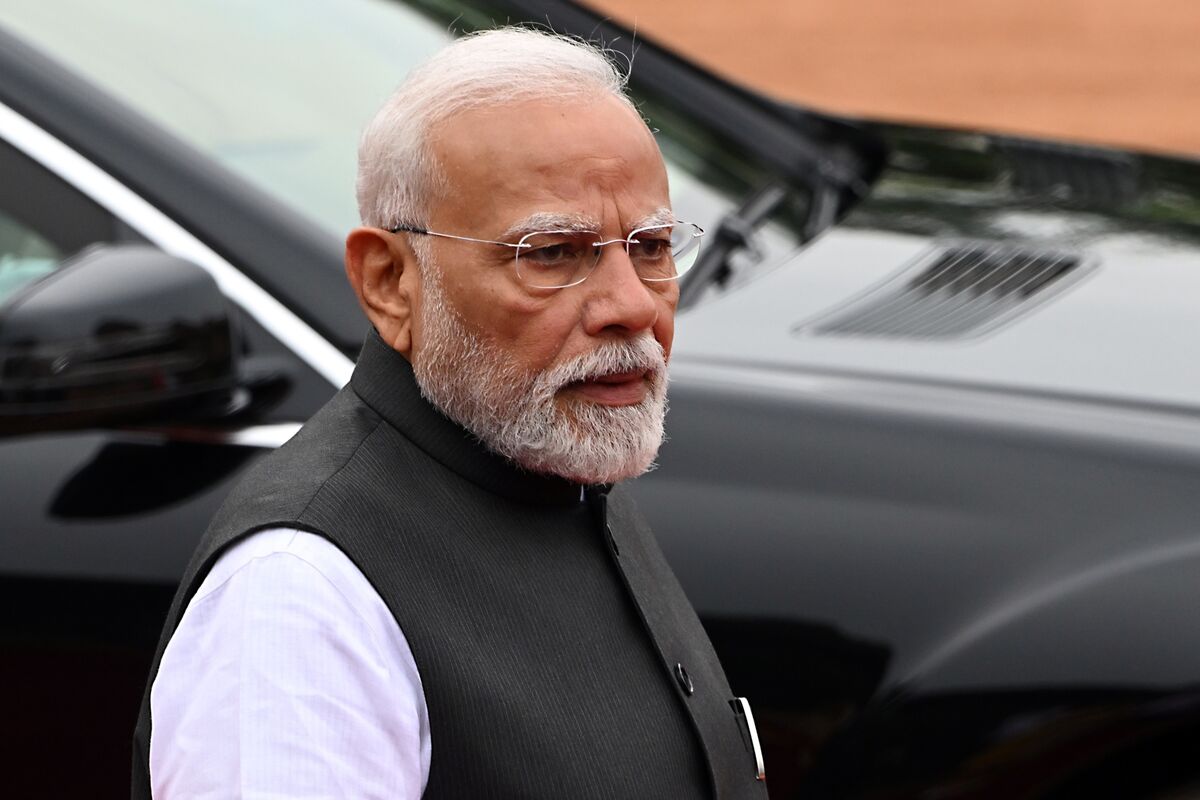
US-India trade relations are escalating following the implementation of Donald Trump's 50% tariffs, the highest levied by the US. The article indicates India, under Prime Minister Modi, appears defiant rather than concerned, with significant political costs preventing trade compromises. It criticizes the US administration for misjudging India's stance and making diplomatic missteps, such as Peter Navarro's controversial remarks, which are seen as exacerbating the trade dispute rather than facilitating resolution.
The US-India trade relationship is facing a significant escalation, characterized by the imposition of 50% tariffs on Indian goods by the Trump administration, the highest rate levied to date. The strategic intent behind this move appears to have misfired, as India, under Prime Minister Narendra Modi, is exhibiting defiance rather than moving toward compromise. The political calculus in New Delhi suggests that any concessions on trade would carry 'unendurable' political costs for the Modi government, making a quick resolution unlikely. This stalemate is exacerbated by what the article terms 'unforced errors' from the US, notably personal and gratuitous diplomatic swipes such as advisor Peter Navarro's statement holding Modi personally responsible for the Russia-Ukraine conflict. This approach of combining high-pressure tariffs with personalized criticism is not fostering negotiation but rather inflaming the dispute, indicating a deepening of geopolitical and trade friction between the two nations.
AI-powered research, real-time alerts, and portfolio analytics for institutional investors.
Request DemoOverall Sentiment
moderately negative
Sentiment Score
-0.50
