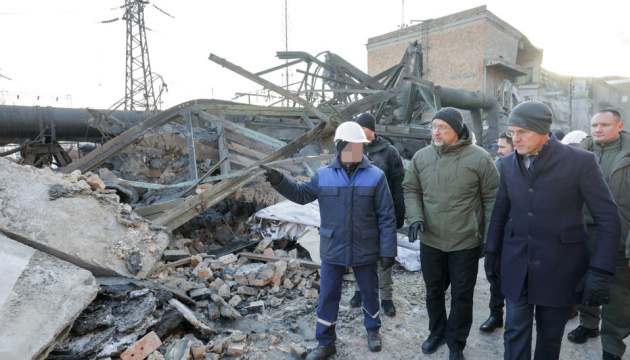
Ukrainian Prime Minister Denys Shmyhal briefed Dutch Prime Minister Mark Rutte on the humanitarian and infrastructure impact of a Russian missile strike on a Kyiv energy facility that provides residential heat, noting the attack occurred amid -25C temperatures and was deliberate. Shmyhal urged strengthened protection for heat and power assets — including air defenses and missiles — faster weapons deliveries as Russian production increases, and deeper cooperation on countering cyber threats to energy infrastructure. He thanked Rutte for solidarity following reports that Russian forces used more than 70 missiles and 450 attack drones in strikes on Feb. 3, highlighting elevated risks to civilian energy systems and European security.
Market structure: Direct winners are defence primes (Lockheed LMT, Raytheon RTX, Northrop NOC and European names like Rheinmetall RHM.DE) and cybersecurity vendors (Palo Alto PANW, CrowdStrike CRWD); energy suppliers and LNG shipping (Golar GLNG) also see upside from higher winter/backup demand. Direct losers are Ukrainian utilities, regional insurers and European gas‑dependent industrials; pricing power shifts to suppliers of air‑defense/missile systems as backlogs rise and lead times extend to 12–36 months. Cross‑asset: expect safe‑haven flows into USD, gold (GLD) and USTs (TLT) in the immediate days; European gas and LNG front months to spike 10–40% on supply disruption risk, while option implied vols for defence/cyber tick higher.
Risk assessment: Tail risks include NATO escalation or coordinated cyberattacks on EU grids (low probability, high impact) that would materially widen risk premia across equities and credit and could force emergency procurement and sanctions. Time horizons: immediate (days) = volatility spikes and tactical safe‑haven rotations; short (weeks–months) = accelerated order announcements, margin improvements for contractors; long (quarters–years) = multi‑year rearmament budgets raising revenue run‑rate. Hidden dependencies: missile/semiconductor supply chains, political approvals (Congress/EU votes) and weather-driven gas demand; catalysts include EU/US aid votes, further strikes, or a major cyber incident.
Trade implications: Tactical longs in large-cap defence and select cyber names using defined‑risk option structures capture upside while limiting drawdowns; buy 6–12 month call spreads on LMT/RTX and 12 month LEAP call spreads on PANW/CRWD. Commodity tilt: short‑dated European gas calls or 3–6 month long positions in LNG shipping (GLNG) to capture tightness; hedge portfolios with 1–2% allocated to GLD and a tactical 3–5% position in TLT if equity drawdown exceeds 5% or VIX >30. Sector rotation: underweight European utilities and insurers; overweight industrials exposed to reconstruction and defense subcontracting.
Contrarian angles: Consensus may overestimate near‑term revenue — defence wins translate to multi‑year revenue not immediate cash, so equities can be choppy; cyber vendors face long sales cycles so revenue bump lags by 2–4 quarters. The market may underprice supply‑side constraints (missile components, chips) that keep margins elevated for suppliers for 12–36 months, creating asymmetric upside for select primes. Unintended consequences: sanctions or export controls could disrupt Western suppliers too, so prefer diversified global primes with on‑shoring exposure.
AI-powered research, real-time alerts, and portfolio analytics for institutional investors.
Request DemoOverall Sentiment
strongly negative
Sentiment Score
-0.60
