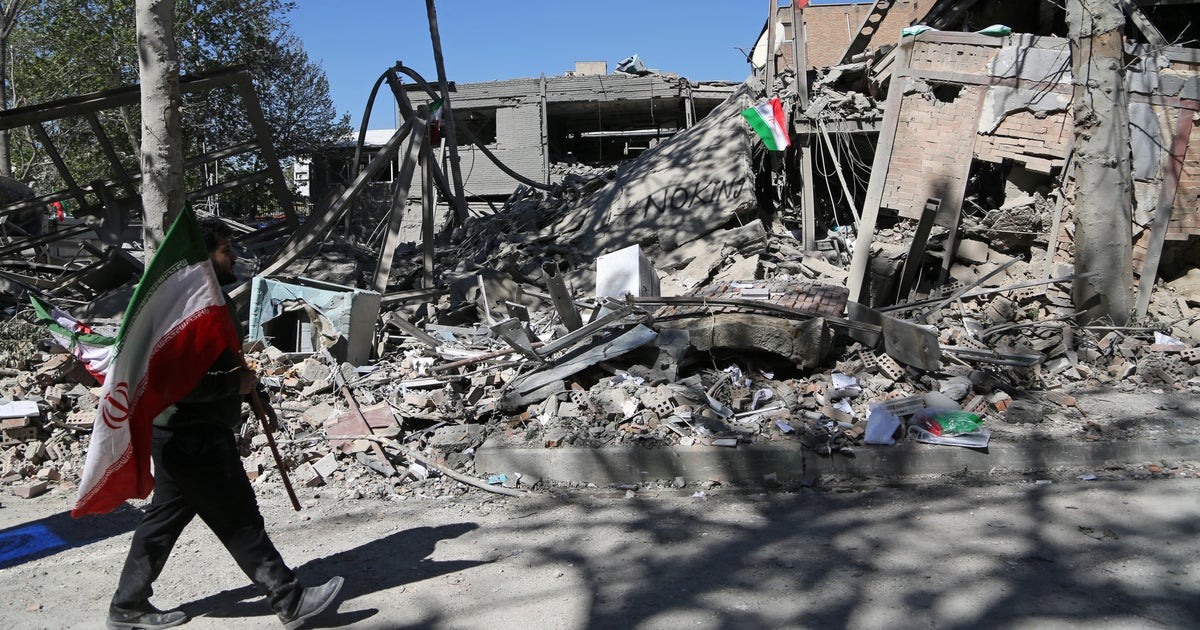
Key event: President Trump's 8:00 p.m. ET deadline and threats to bomb Iran's power plants and bridges coincide with intensified U.S.-Israeli strikes, raising acute risk to oil transit through the Strait of Hormuz, which carries about 20% of global crude. At least 18 civilians were reported killed in Alborz province and activists report more than 1,680 dead since the war began; strikes reportedly hit Kharg Island — Iran's oil-export hub historically handling 85–95% of its crude exports — and Iran and Israel have warned civilians away from rail and industrial infrastructure. This escalation is likely to drive risk-off positioning, upward pressure on oil prices and potential material supply-chain and shipping disruptions.
Escalation in the Gulf is an outsized supply shock to maritime-dependent flows rather than a pure production event — the marginal impact comes from longer voyage times, higher bunker burn and sharply elevated war-risk premiums that choke throughput before barrels are physically lost. Rerouting tankers around Africa typically adds ~7–10 days transit and ~3–6% extra fuel consumption per voyage; those mechanics transmit to tighter available tanker capacity, upward pressure on time-charter rates and a faster-than-expected inventory draw in destinations that cannot immediately substitute pipeline or rail volumes.
Targeting of hard infrastructure (power, bridges, rail) creates a multi-week window of export unreliability even if terminals remain intact; operational stoppages, worker absenteeism and insurance-driven force majeure claims create asymmetric slowness to restart versus the speed of initial attacks. That means market volatility is likely to persist in waves — sharp spikes on news followed by partial mean-reversions — until physical throughput recovery is demonstrable (repairs + insurance coverage + resumption of crew rotations), which is typically a multi-week to multi-month process.
Cost passthrough will widen downstream: regional refining and petrochemical margins are the first to re-price, and buyers will prefer secured offtakes via longer-term contracts, raising spot premiums for feedstocks and finished chemicals. Separately, persistent elevated war-risk insurance (likely to rise multiples for Gulf transits) will structurally raise freight-adjusted delivered costs for Europe and Asia, favoring vertically integrated producers with captive logistics and larger balance sheets able to absorb temporary margin compression.
Key catalysts to watch: (1) demonstrable restoration of export throughput (physical ship loading & insurance sign-offs) within 2–6 weeks, (2) diplomatic progress that materially reduces insurance premia within 3–8 days, and (3) any widening coalition action or occupation that shifts the shock from temporary disruption to long-term loss of capacity (months+). A sudden coordinated release from strategic reserves would quickly shave the geopolitical premium, while targeted asset seizures would lock-in a higher structural floor for prices and insurance costs.
AI-powered research, real-time alerts, and portfolio analytics for institutional investors.
Request DemoOverall Sentiment
strongly negative
Sentiment Score
-0.85
