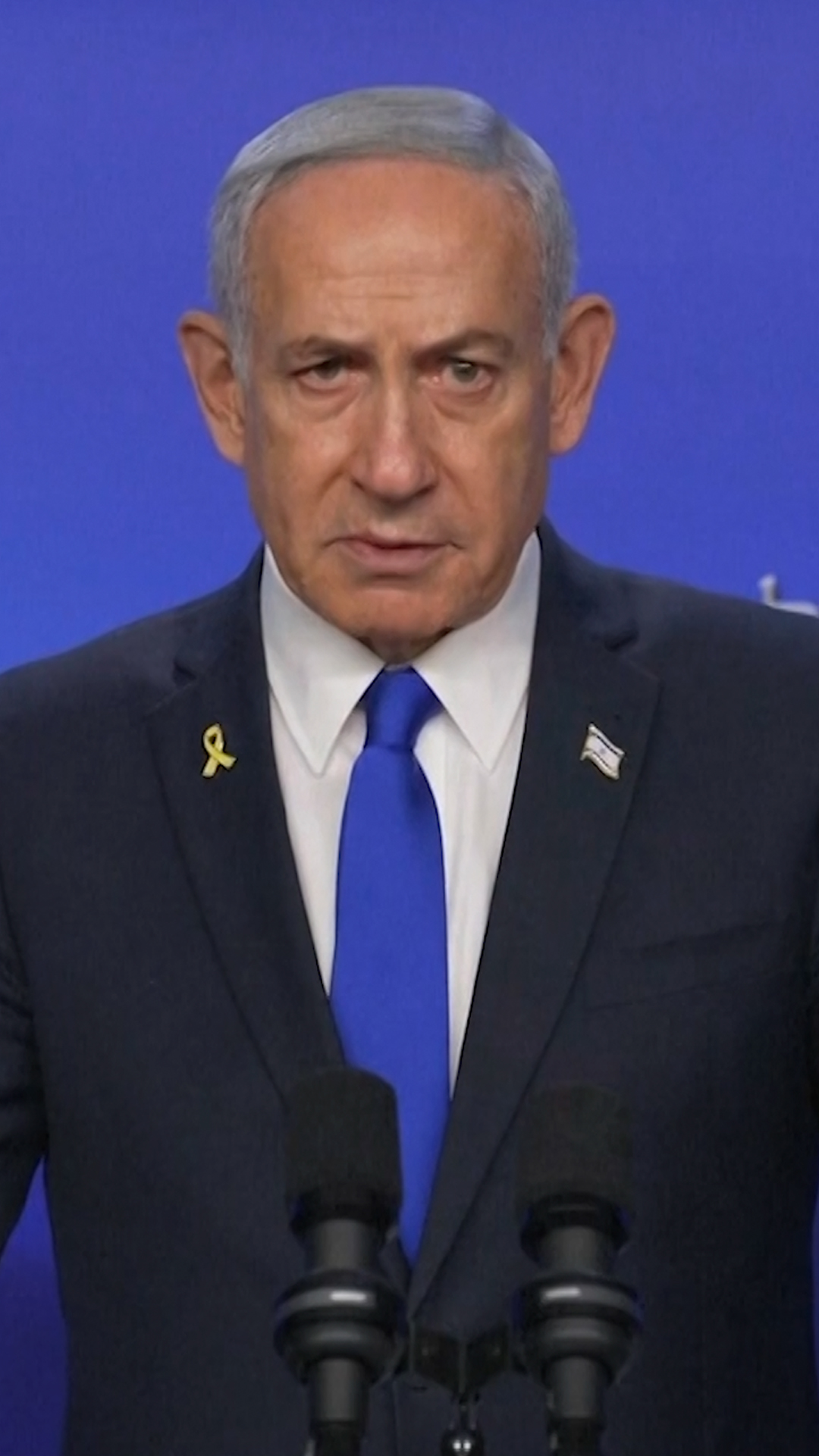
Israeli Prime Minister Benjamin Netanyahu announced that Israel launched airstrikes against Iran’s nuclear program and military targets. The statement follows the attacks and underscores Israel's stance against Iran developing weapons, likely intensifying geopolitical tensions in the region and potentially impacting global energy markets.
Israel has reportedly launched airstrikes against Iran’s nuclear program and military targets, a development confirmed by Prime Minister Benjamin Netanyahu who stated Israel's resolve against Iran achieving nuclear capabilities. This direct military action signifies a material escalation in regional geopolitical tensions. The event has registered a 'strongly negative' sentiment score of -0.75 and a high market impact score of 0.8, indicating significant investor concern and a 'risk-off' market tone. The primary immediate financial implication, as suggested by the summary, is the potential for substantial volatility in global energy markets, given the strategic importance of the region in oil and gas supply. While other market segments like technology and fintech were mentioned in the broader broadcast context, the predominant driver of current negative sentiment and market impact is this geopolitical escalation.
AI-powered research, real-time alerts, and portfolio analytics for institutional investors.
Request DemoOverall Sentiment
strongly negative
Sentiment Score
-0.75
Ticker Sentiment
