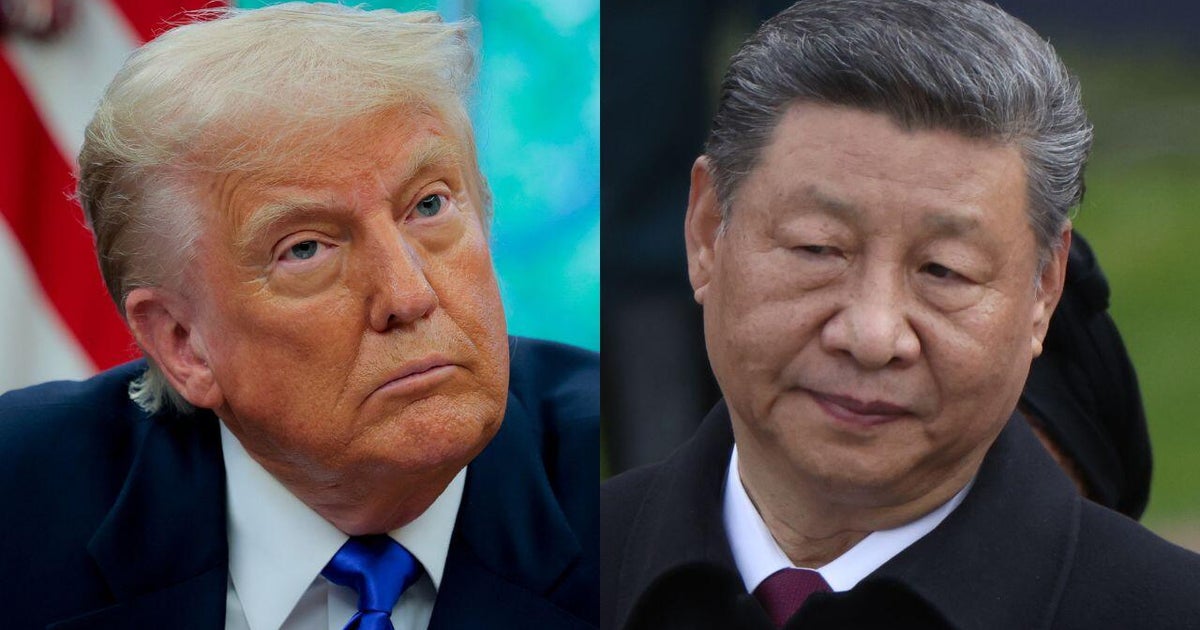
China's Commerce Ministry accused the U.S. of violating the May 12 trade agreement by issuing AI chip export controls, halting chip software sales, and planning to revoke Chinese student visas, escalating trade tensions despite a temporary tariff easing. The Ministry claims China fulfilled its obligations by cancelling or suspending tariffs, while the U.S. actions undermine the Geneva consensus and damage China's interests. Experts warn that further escalation could significantly impact the global economy, with potential consequences for commodity demand and supply chains, though Treasury Secretary Bessent remains confident a resolution will be reached.
The U.S.-China trade relationship faces renewed strain as China's Commerce Ministry, on June 2, accused the Trump administration of violating the temporary May 12 trade agreement. Specific U.S. actions cited include new AI chip export control guidelines, halting the sale of chip design software to China, and plans to revoke visas for some of the over 275,000 Chinese students in the U.S. These measures, China claims, "seriously undermine the existing consensus" and "damage China's legitimate rights and interests," despite Beijing asserting it fulfilled its obligations by canceling or suspending reciprocal tariffs. This escalation follows President Trump's earlier statement that Beijing was violating the trade agreement. The May 12 deal, a 90-day truce, had involved the U.S. reducing tariffs on Chinese goods from 145% to 30% and China lowering its tariffs on U.S. goods from 125% to 10%. However, the current situation, characterized by a "strongly negative" sentiment score of -0.7 and a high market impact score of 0.75, fuels expert concerns. Arthur Kroeber of Gavekal Research noted unresolved questions and muddled U.S. trade policy objectives, while Treasury Secretary Scott Bessent expressed confidence in an eventual resolution. Economists like Carl Weinberg of High Frequency Economics warn that a complete disengagement could severely impact the global economy, potentially causing a plummet in industrial commodity demand and disrupting global supply chains.
AI-powered research, real-time alerts, and portfolio analytics for institutional investors.
Overall Sentiment
strongly negative
Sentiment Score
-0.70
