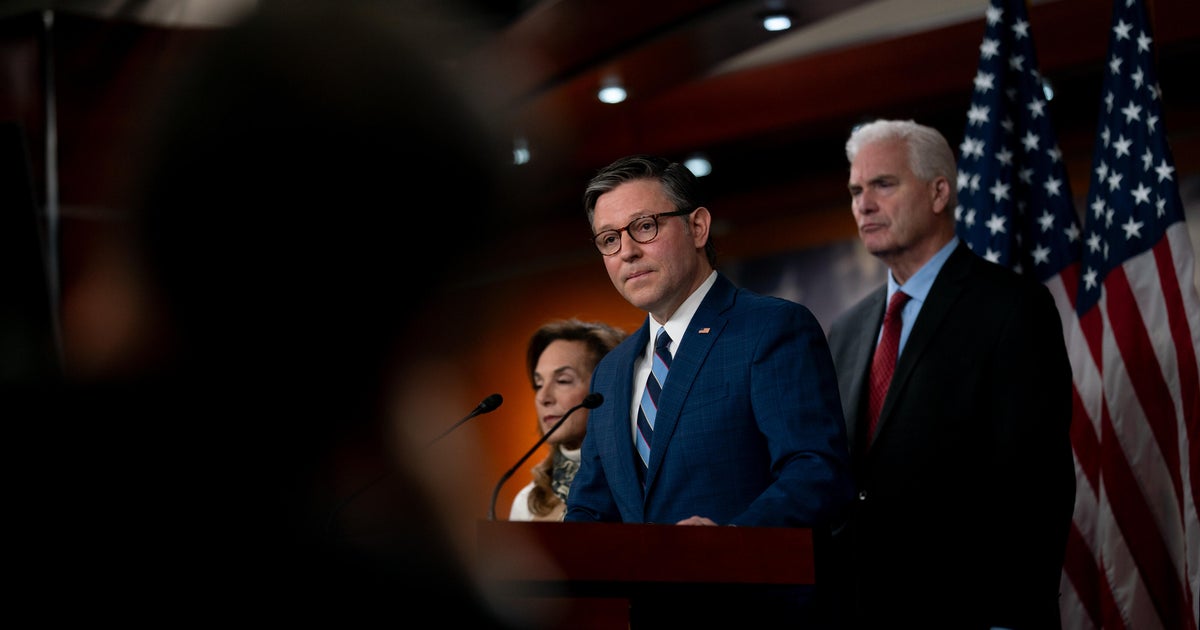
The House is targeting a Thursday vote on the final four appropriations bills to meet a Jan. 30 deadline, covering Defense; Labor, HHS and Education; Transportation and HUD; and Homeland Security (the DHS bill to be considered separately). The DHS measure faces Democratic opposition over ICE reforms despite added training, reporting limits and $20 million for immigration-enforcement body cameras, but a slim GOP majority — and possible moderate Democratic votes — could push the package to the Senate, where the remaining measures are expected to be bundled with earlier bills amid a compressed timeline and potential weather-related travel disruptions.
Market structure: Passing appropriations (vs. a shutdown) is a modest positive for defense contractors (LMT, NOC, GD), infrastructure/materials (VMC, MLM), ethanol/agribusiness (ADM, GPRE) and transportation/logistics (UNP, CSX) because it preserves federal demand and reduces near-term cashflow risk. Competitive dynamics favor large prime contractors and national materials suppliers who capture incremental federal and infrastructure spend; smaller regional vendors see margin pressure as bidding intensity rises. On supply/demand, the bills signal steady government demand for 2025–26 procurement and construction, tightening availability for skilled labor and materials and supporting pricing power; E15 language would structurally raise ethanol demand by ~2–4% of ethanol seasonally if enacted. Cross-asset: a clean pass should remove some flight-to-quality demand, nudging 2s/10s yields +5–25bps, slightly stronger USD and modestly supportive oil and corn prices (ethanol link).
Risk assessment: Tail risks include a Senate delay/partial shutdown (low-probability but high-impact) that would spike equity vol and push short-term yields down; policy reversals on DHS or RFS (ethanol) exposure create regulatory execution risk. Time horizons: immediate (next 72 hours) — execution risk and volatility; short-term (weeks) — Senate packaging and winter-storm travel; long-term (quarters) — appropriation levels that set FY budgets and contractor revenue backlogs. Hidden dependencies: contingent CRs, earmark shifts, and state-level ethanol waivers; catalysts include the Senate vote, OMB guidance, and RFS confirmations.
Trade implications: Favor selective 6–12 month longs in large-cap defense (LMT/NOC) and materials (VMC/MLM) and thematic longs in ADM/GPRE if E15 survives conference — position sizes 1–3% each. Reduce long-duration rates exposure (sell TLT, buy SHY/IEF) by 2–4% of bond sleeve ahead of a probable move higher in front-end yields if funding avoids a flight-to-quality. Options: use 3‑6 month call spreads on LMT/NOC (defined-risk) sized to 0.5–1% portfolio risk to capture upside from stabilized federal spending. Pair trade: long ADM vs. short corn futures (ZC) small-sized hedge (0.5–1%) to capture ethanol demand re-rating while hedging input volatility.
Contrarian angles: Consensus underprices the E15 vote's asymmetric upside for ethanol processors and fertilizer names — a successful year‑round E15 rule could lift ADM/GPRE earnings by mid‑single digits within 3–9 months. Conversely, markets may be complacent about Senate timing risk; if passage slips past Jan 30 probability of a partial shutdown rises >20% and defense/infrastructure names could see 10–15% drawdowns. Historical parallels (CR brinkmanship cycles 2013/2018) show swift sell-offs then recoveries once budgets clear — favor defined-risk option structures over naked exposure. Unintended consequences: DHS funding without reform increases legal/regulatory noise for contractors working on immigration enforcement, creating idiosyncratic downside for certain midsized primes.
AI-powered research, real-time alerts, and portfolio analytics for institutional investors.
Request DemoOverall Sentiment
mildly negative
Sentiment Score
-0.25
