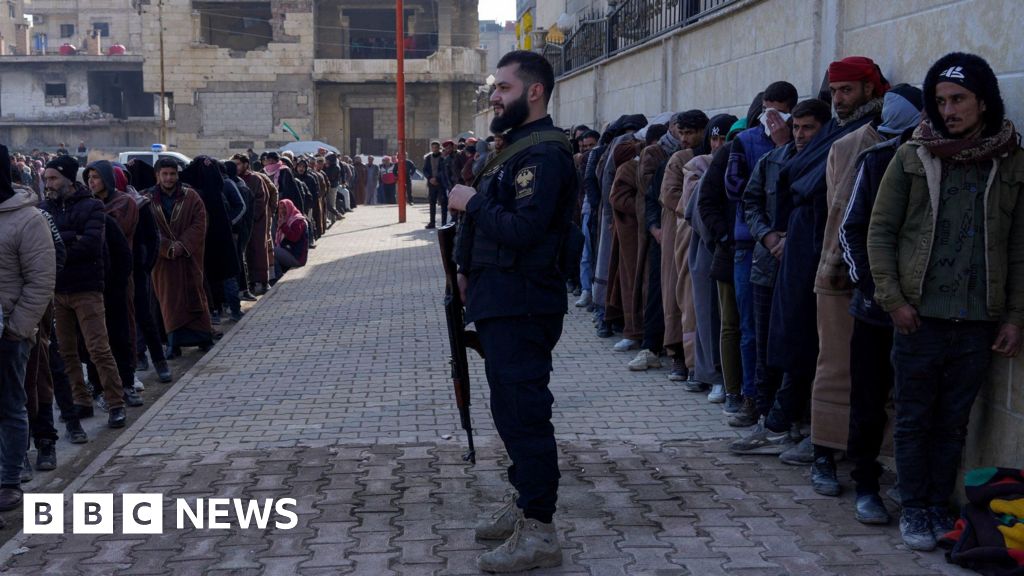
The Syrian government and the Kurdish-led SDF have reached a deal to gradually integrate Kurdish forces, administrative bodies and institutions into the state after weeks of clashes and a ceasefire agreed on 18 January; the SDF will withdraw from contact points, its members may join the Syrian army and a military division of three brigades made of SDF personnel is planned. Critical assets including prisons, oil and gas fields — notably the Omar oilfield — and key infrastructure such as the Tabqa dam have been transferred to Damascus, while the government issued a decree recognising Kurdish cultural and civil rights (including Kurdish as a national language and nationality grants for stateless Kurds). The accord reduces near-term military uncertainty inside Syria and consolidates central control, which is relevant for regional stability and local energy asset governance, but it is unlikely to move global markets materially.
Market structure: Damascus regains control of Syria’s largest fields (Omar) and administrative levers — direct winners are the Syrian state, its Russian/Iranian contractors and regional reconstruction contractors; losers are SDF-linked local operators and any U.S.-backed private extractors. Global crude supply impact is negligible (<0.2% of world oil), so expect at most a 0–$2/bbl structural price effect; the main market reaction is a reduction in a local regional risk premium, not a rerating of global fundamentals.
Risk assessment: Tail risks include rapid re-escalation (Israeli/US strikes or insurgency resurgence), U.S./EU sanctions re-tightening, or an IS counter-offensive — each could spike local supply disruption and Brent vol by 10–30% in days. Time horizons: immediate (days) = elevated headline-driven vol; short-term (weeks–months) = conditional stabilization if no strikes; long-term (12–48 months) = potential reconstruction-driven demand for oilfield services, contingent on sanctions relief and financing.
Trade implications: Tactical commodity plays dominate — small, defined-risk longs to capture volatility compression in Brent and a measured overweight in energy services exposure to capture reconstruction upside (if sanctions ease). Cross-asset: expect modest EM sovereign spread compression in Levant-neighbors and transient FX appreciation in regional allies; U.S. Treasuries likely immaterially affected unless a wider regional war develops.
Contrarian angles: Consensus treats this as durable stabilization; missing is legal/sanctions friction — a political deal does not equal marketable exports. Historical parallels (Iraq post-conflict) show years between control and material export/contracting flow; if sanctions remain, energy-service equities priced for normalization could be meaningfully overvalued.
AI-powered research, real-time alerts, and portfolio analytics for institutional investors.
Request DemoOverall Sentiment
mildly positive
Sentiment Score
0.25
