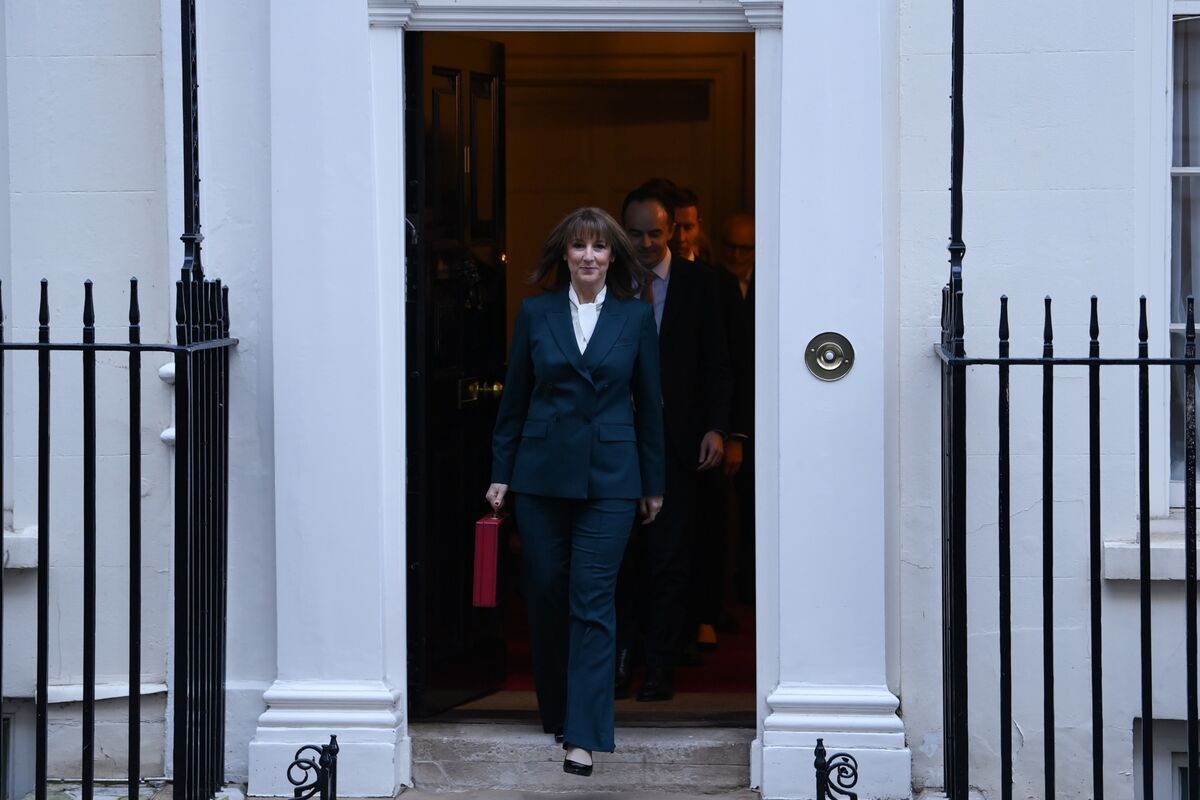
Markets have so far taken yesterday’s UK budget from Chancellor Rachel Reeves largely in stride, despite the author describing it as a fiscal 'dragfest.' Investor focus has shifted to the prospect of the Federal Reserve cutting interest rates next month, which market participants view as a more important near-term driver than the specifics of the UK fiscal package; implication is limited immediate market impact from the budget but heightened sensitivity to incoming US monetary signals.
Market structure: The “spend now, pay later” UK budget raises UK sovereign supply and fiscal risk while global markets are pricing Fed easing. Expect UK gilts to carry a risk premium (10y gilt spread vs US 10y widening 30–100bp possible over 3–12 months) while global long-duration assets (US Treasuries, TLT) rally on Fed cut expectations. Exporters and domestically oriented construction/capex beneficiaries gain; UK consumer discretionary and import-reliant sectors lose from a weaker GBP.
Risk assessment: Tail risks include a sterling crash (>7% move in 1 month) if gilt auctions fail or BoE is forced into emergency hikes, and politically-driven tax reversals ahead of elections; probability low (<15%) but impact severe. Near term (days–weeks) watch gilt auction prints and immediate GBP moves; medium term (3–12 months) fiscal path and OBR revisions drive spreads. Hidden dependency: market complacency around Fed cuts could abruptly reverse real rates dynamics if US data surprises.
Trade implications: Relative-value opportunities lie in long US rates (TLT) vs short UK duration or equities (VGOV or short gilt futures, short EWU). FX trades: tactical GBP downside via options if 10y UK-US yield spread widens >50bp in 30 days. Use options to time asymmetric payoffs: buy puts on GBPUSD and buy protection on gilt durations (payer swaptions) rather than naked shorts.
Contrarian angle: Consensus leans dovish and focused on Fed cuts — that underprices UK-specific sovereign risk. If the BoE resists easing or gilts reprice, UK assets can underperform dramatically; this makes a modest, hedged short-UK/long-global-risk trade attractive (target 200–500bp relative underperformance over 6–12 months). Historical parallel: 2016 UK political shock shows abrupt repricing in GBP and gilts can outpace fundamentals.
AI-powered research, real-time alerts, and portfolio analytics for institutional investors.
Request DemoOverall Sentiment
mixed
Sentiment Score
0.10
