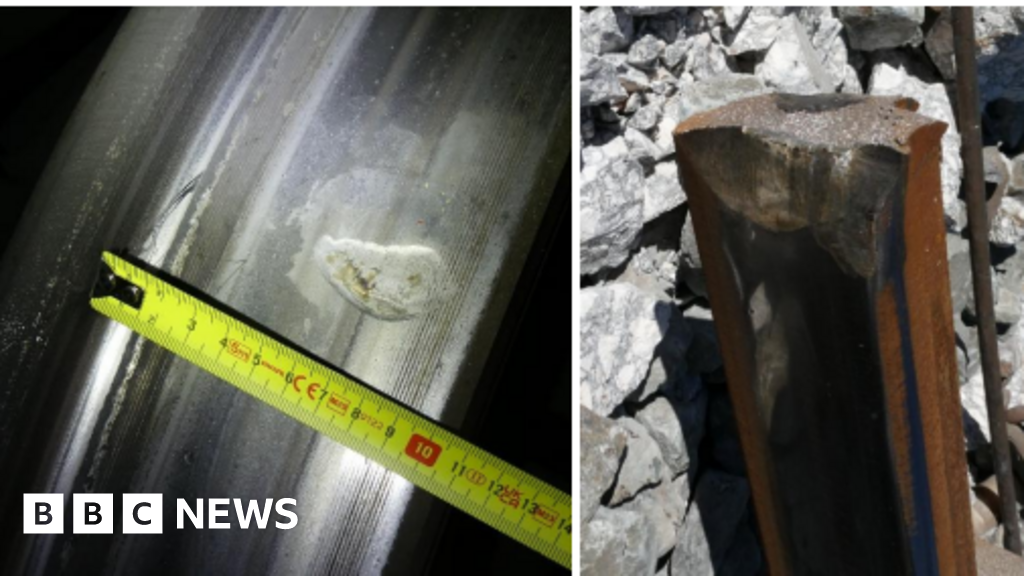
A preliminary CIAF investigation found a fracture in a straight section of track occurred prior to the passage of a privately operated Iryo high-speed train, causing its rear carriages to derail and strike an oncoming Renfe train, killing 45. Investigators identified an almost 40 cm gap in the rail and matching wheel notches on multiple earlier trains; carriage six derailed due to a 'complete lack of continuity' in the track. The report is presented as a working hypothesis pending detailed analysis, with material implications for operator liability, safety oversight, insurers and potential regulatory responses.
Market structure: The immediate winners are European rail-equipment and signalling suppliers (Alstom ALO.PA, Siemens SIE.DE, CAF CAF.MC) because a fracture-linked investigation typically triggers emergency audits and accelerated safety contracts; expect tendering +5–15% incremental capex for track inspection/RTS over 6–18 months. Losers are private operators and infrastructure concessionaires in Spain (Ferrovial FER.MC, ACS ACS.MC, local private operators) facing reputational, liability and short-term utilization declines; domestic leisure demand could slip 1–3% over the next quarter in affected corridors. Pricing power shifts toward specialist maintenance providers and technologies (ultrasonic inspection, continuous welded rail monitoring) as governments prioritize quick remediation rather than lowest-cost bids.
Risk assessment: Tail risks include a national safety audit forcing fleet groundings (low probability, high impact) that could disrupt Spain rail traffic for weeks and create material compensation claims (€100sM range for large operators). Short-term (days–weeks) volatility will be event-driven around investigators’ statements; medium (3–12 months) risk is regulatory tightening and procurement cycles; long-term (1–3 years) is structural reallocation of budgets to safety and signaling. Hidden dependencies: increased public scrutiny may reallocate funds from new lines to maintenance, compressing OEM margins if fixed-price contracts proliferate; catalysts to accelerate change include interim regulatory bans, emergency budgets, or EU-level directives within 30–90 days.
Trade implications: Prefer long exposure to signaling/maintenance hardware and software vendors via ALO.PA, SIE.DE, CAF.MC, targeting a 3–5% tactical allocation with 6–18 month horizon; use call spreads to limit premium outlay. Reduce/hedge exposure to Spanish infrastructure concessionaires (FER.MC, ACS.MC) by 2–4% of portfolio weight and consider buying 3–6 month protection (puts) if 5-day price drops exceed 7%. Credit: buy Spain 5y CDS or 5y sovereign bond protection if yields widen >20bp intra-week, as contingent liabilities and fiscal response could pressure spreads.
Contrarian angles: The market will overestimate demand loss for rail travel; a faster shift to safety spending means equipment suppliers may see order visibility improve faster than top-line weakness in operators, so a pair trade long Alstom (safety/upgrade exposure) and short a Spanish travel operator ETF (EWP or IAG.L) could capture re-pricing. Historical parallel: post-2013 Galicia crash led to multi-year signaling investment that benefitted suppliers, not operators. Beware unintended consequence: political pressure could force price-capped emergency contracts, squeezing vendor margins for initial remediation—size positions accordingly and favor option-defined risk.
AI-powered research, real-time alerts, and portfolio analytics for institutional investors.
Request DemoOverall Sentiment
moderately negative
Sentiment Score
-0.50
