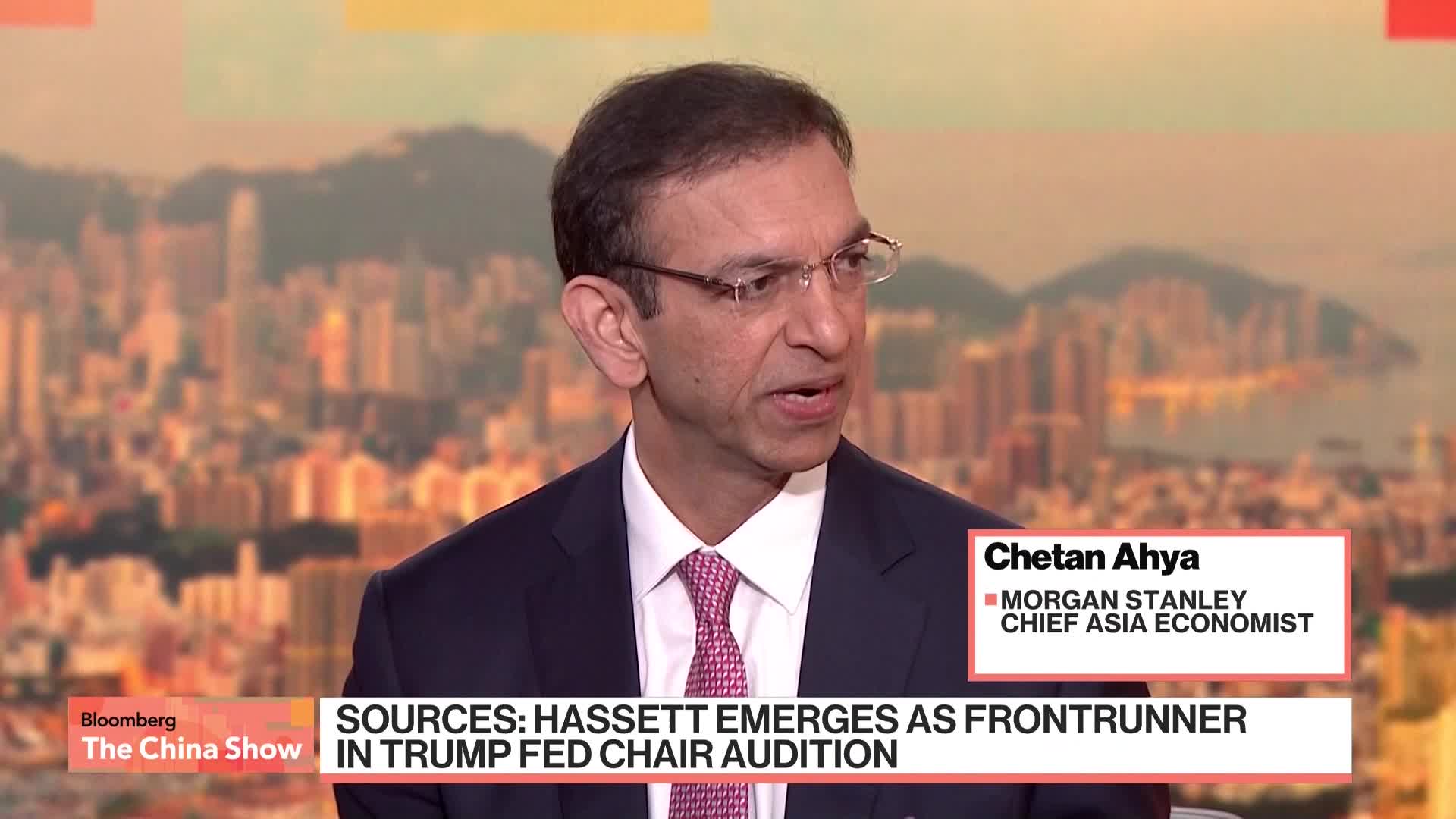
Expectations that the Fed will cut rates (with three additional cuts pencilled in for 2026) are easing policy pressures for Asian central banks, most of which have already implemented the bulk of necessary cuts. Asia displayed a K-shaped 2025 recovery—tech exports strong but non-tech exports flat, weighing on jobs, wages and retail—but a combination of delayed US demand improvement from Fed easing and receding trade tensions should lift non-tech exports and regional growth early next year.
Market structure: Asian winners will remain semiconductor and high-end tech exporters (TSM, 005930.KS, ASML exposure via supply chain) as tech exports drive headline trade and equity flows; losers are low-value non-tech exporters (textiles, basic manufacturing, some Chinese industrial exporters) where non-tech exports were essentially flat in 2025 (~0–1% cumul.). A modest re-rating should occur if US demand improves: expect 10–30% relative outperformance for leading fabs over 6–12 months while non-tech may lag by -5–15% in the same window.
Competitive dynamics & supply/demand: easing Fed plus a few additional Asian cuts (25–50bp pockets) will lower global funding costs and revive US domestic demand with a 3–9 month lag, improving orders for non-tech goods; this benefits regional supply chains that lost share during trade tensions. Inventory rebuilding in non-tech could drive a 2–4% uptick in export volumes by H1 2026 if US ISM new orders rise by >3pts.
Cross-asset & risks: expect Asian FX appreciation (KRW, TWD, IDR) of 3–7% versus USD on prospective Fed cuts, flattening of Asian sovereign curves and spread compression for IG corporates (50–150bps narrower). Tail risks: Fed delay, renewed China policy shock, or a deterioration in US consumer spending could reverse flows quickly — stress-test portfolios for a 10–15% drawdown in cyclicals over 3 months.
Trade catalysts & hidden dependencies: key triggers are US payrolls/ISM prints, clear Fed cut guidance (three cuts pencilled for 2026), and removal of trade-policy uncertainty. Second-order effects include muted wage growth if non-tech jobs don’t recover — implying discretionary consumption may lag equity rallies and requiring earnings confirmation before sizing up positions.
AI-powered research, real-time alerts, and portfolio analytics for institutional investors.
Request DemoOverall Sentiment
mildly positive
Sentiment Score
0.25
