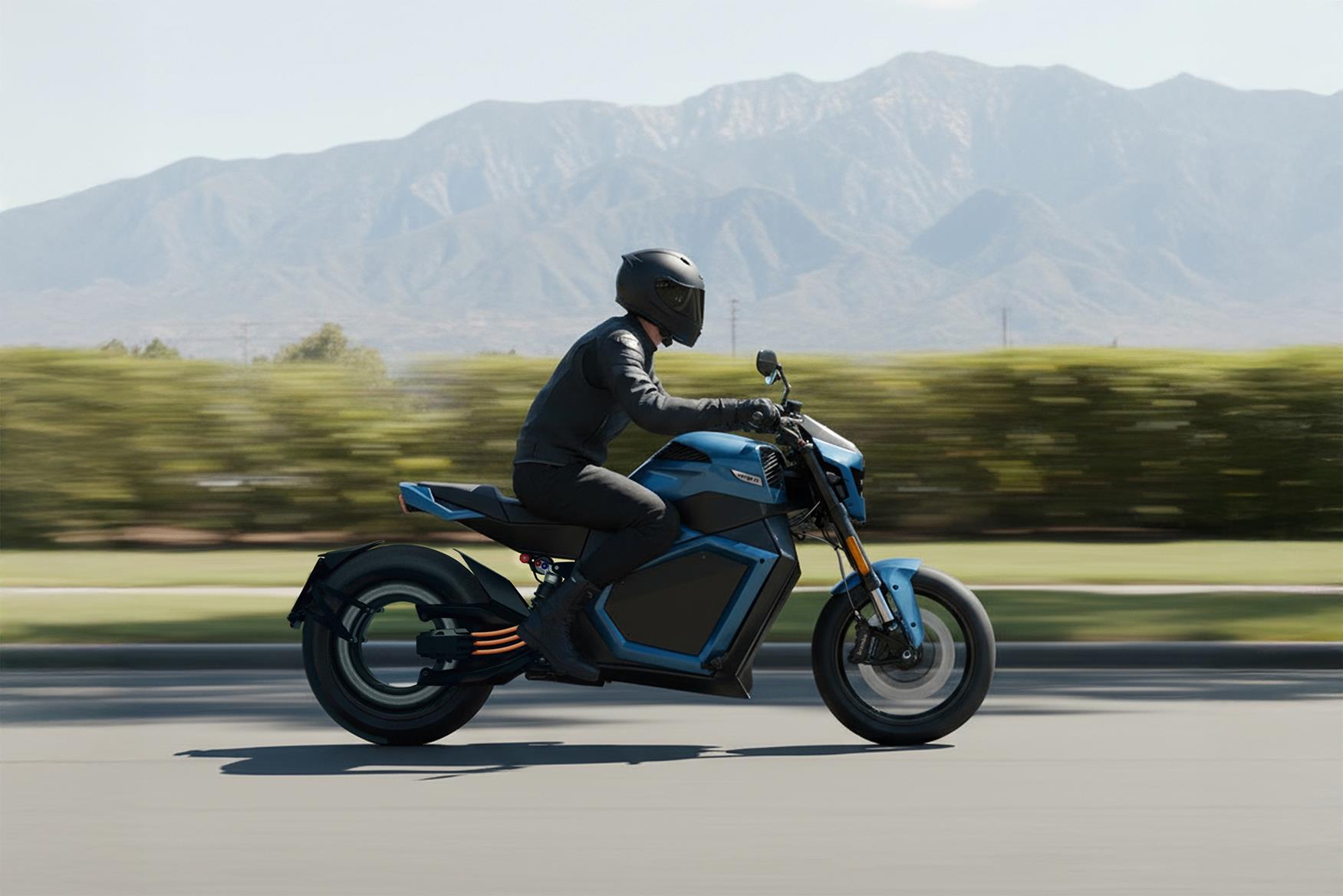
Verge Motorcycles, with power units developed by sister company Donut Lab, unveiled a TS Pro variant with a world‑first solid‑state battery at CES, moving the range from lithium‑ion to solid electrolytes manufactured in Europe. Two pack options are planned: an 18 kWh pack (225 kg) delivering a claimed 124.3 miles (200 km) in 10 minutes at up to 100 kW and up to 218 miles overall, and a 30 kWh pack (235 kg) delivering 186.4 miles in 10 minutes at up to 200 kW and up to 344 miles overall; the design uses flat plate cells for higher volumetric efficiency and improved safety/lifespan. If validated and adopted more widely, the technology could alter EV battery supply chains, charging infrastructure demand and competitive dynamics in the automotive EV segment.
Market structure: Verge’s demonstration accelerates the narrative that solid-state can materially reduce charging time and fire risk, creating winners among pure-play solid-state developers (QuantumScape QS, Solid Power SLDP), fast-charger network operators (ChargePoint CHPT, EVgo EVGO) and European battery manufacturers/suppliers. Incumbent lithium-ion component makers and certain commodity players (graphite-focused producers) risk losing pricing power if solid-state reaches even 5–10% EV battery share within 3 years. Expect a reallocation of margin to IP holders and HPC (high-power charging) infrastructure owners; forecast 20–30% incremental demand for 150–350 kW chargers in early-adopter markets over 2–4 years if uptake accelerates.
Risk assessment: Tail risks include scale-up failure, safety regressions or IP litigation that could wipe out small developers; regulatory approvals and OEM qualification typically take 12–36 months. Hidden dependencies: grid upgrades, availability of solid-electrolyte raw materials (ceramics, lithium metal foil) and DC fast-charger rollout; if any of these lag by >18 months adoption stalls. Key catalysts are validated third-party cycle-life data (>1,000 cycles), an OEM pilot fleet announcement, or EU/US subsidy programs for domestic battery fabs.
Trade implications: Tactical trades favor asymmetric, limited-risk exposure to solid-state and charging infra: small long positions in QS/SLDP and CHPT/EVGO, financed via defined-risk option structures; reduce pure-play lithium chemical/mining exposure (ALB) by 1–2% and reallocate to infra/battery IP. Time entries across 4–12 weeks; scale up on positive OEM or regulator validation and trim on a 30–40% adverse move or material safety incident.
Contrarian angle: The market will likely overestimate rapid lithium demand destruction — lithium-ion will remain dominant for years; solid-state commercialization historically follows a long “valley of death” (fuel cells, thin-film solar analogies). Therefore prefer buying asymmetric option structures (LEAPS/call spreads) rather than outright large equity positions, and watch for mispricings where charging-infra stocks trade cheap relative to expected 20–30% capex spike in HPC deployment within 2–3 years.
AI-powered research, real-time alerts, and portfolio analytics for institutional investors.
Request DemoOverall Sentiment
moderately positive
Sentiment Score
0.45
