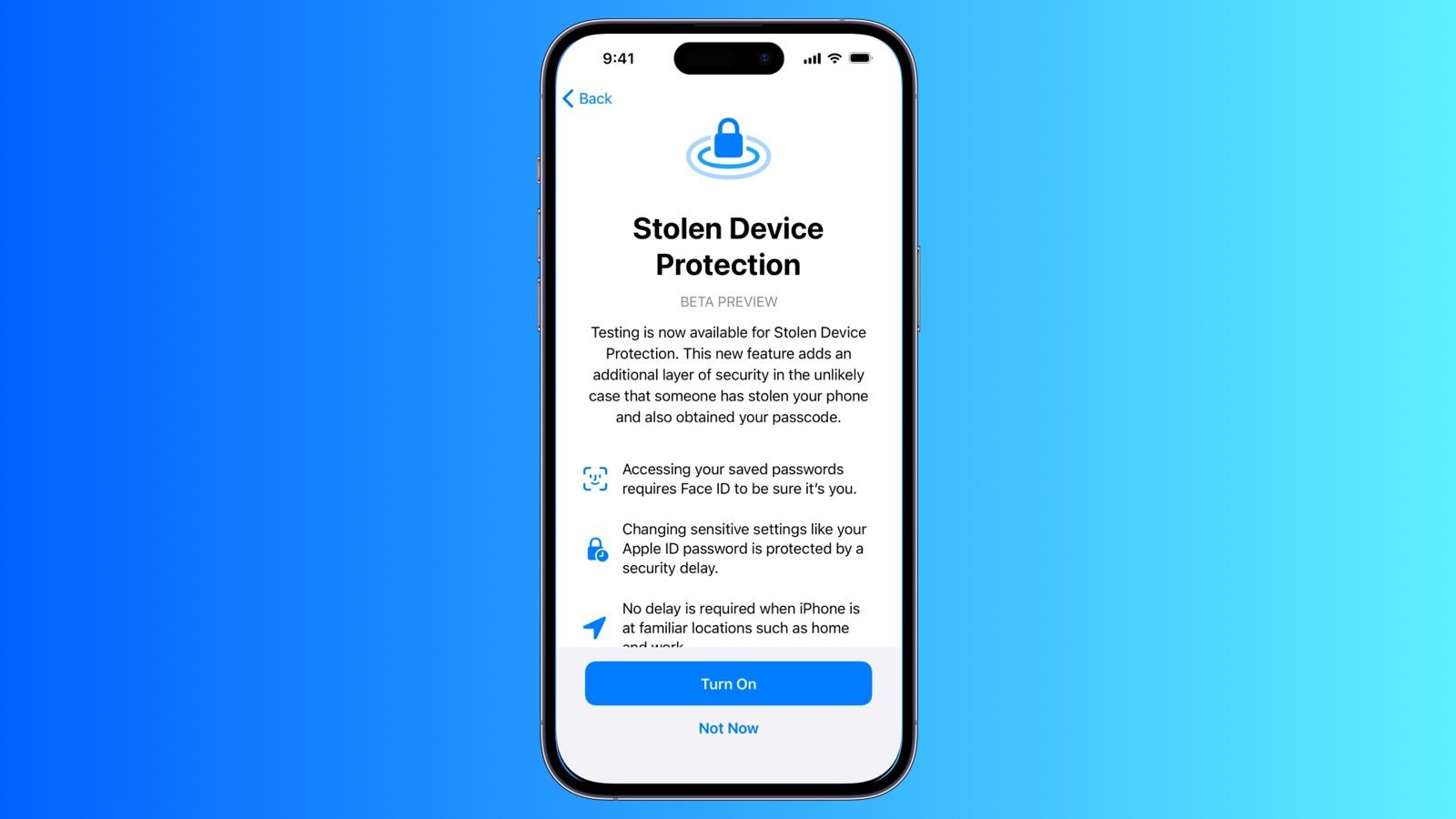
Apple will enable Stolen Device Protection by default in iOS 26.4, requiring Face ID or Touch ID for sensitive actions (e.g., viewing iCloud Keychain passwords, applying for or viewing Apple Card virtual cards, turning off Lost Mode, erasing a device, and using payment methods in Safari) and imposing a two-biometrics/one-hour delay for select Apple ID and device changes. The feature, previously optional, is aimed at blocking theft vectors that exploit known passcodes and should reduce fraud risk for Apple’s payments and identity services; iOS 26.4 is currently in developer preview with a public beta forthcoming and a planned spring release, but the change is incremental and unlikely to meaningfully move markets.
Market structure: Default-on Stolen Device Protection increases iPhone security posture across potentially over 1 billion active iPhone users when iOS 26.4 ships in spring, benefitting Apple (AAPL) ecosystem monetization (Apple Card, Wallet, iCloud) and biometric suppliers while making opportunistic theft-driven fintech fraud vectors less attractive for criminals. Competitive dynamics favor Apple’s pricing power and retention versus Android OEMs because this is an ecosystem-level lock-in feature rather than a one-off app update; expect marginally higher switching costs over 12–36 months.
Risk assessment: Near-term (days–weeks) impact is negligible; short-term (weeks–3 months) risks include beta bugs/false rejections that could raise support costs and negative PR; long-term (quarters–years) tail risks include regulatory pushback in EU/US over biometric reliance or class actions if users are locked out. Hidden dependencies include backend Apple ID/Cloud infrastructure integrity and third-party issuer workarounds; a major outage or false lock could trigger >5% intraday AAPL sell-offs in a stressed market. Catalysts to watch: public beta feedback (30–60 days), spring public release, and any regulator statements within 90 days.
Trade implications: The news is positive but incremental — it supports modest AAPL overweighting (ecosystem monetization), not a re-rating. Preferred execution is targeted: use option spreads to express upside into the spring release while capping downside risk, and consider relative-value trades versus Android-centric OEMs (SSNLF) to capture differential stickiness. Expect low broader-market cross-asset moves (FX, bonds) but slight positive sentiment for fintech/payment networks (V, MA) if fraud headwinds ease materially over 12–24 months.
Contrarian angles: Consensus understates cumulative lifetime value uplift from incremental security features — a sequence of small privacy/security wins can raise average revenue per user (ARPU) by a few percent over 2–4 years. Conversely, the market may underprice regulatory or usability backlash risk; if Apple experiences a high-profile lockout or regulator mandate to allow passcode bypass, the upside is limited and short-term volatility can be amplified. Historical parallel: Activation Lock improved device resale values and trust but produced only modest stock re-rating; use that as a sizing check.
AI-powered research, real-time alerts, and portfolio analytics for institutional investors.
Request DemoOverall Sentiment
neutral
Sentiment Score
0.12
Ticker Sentiment
