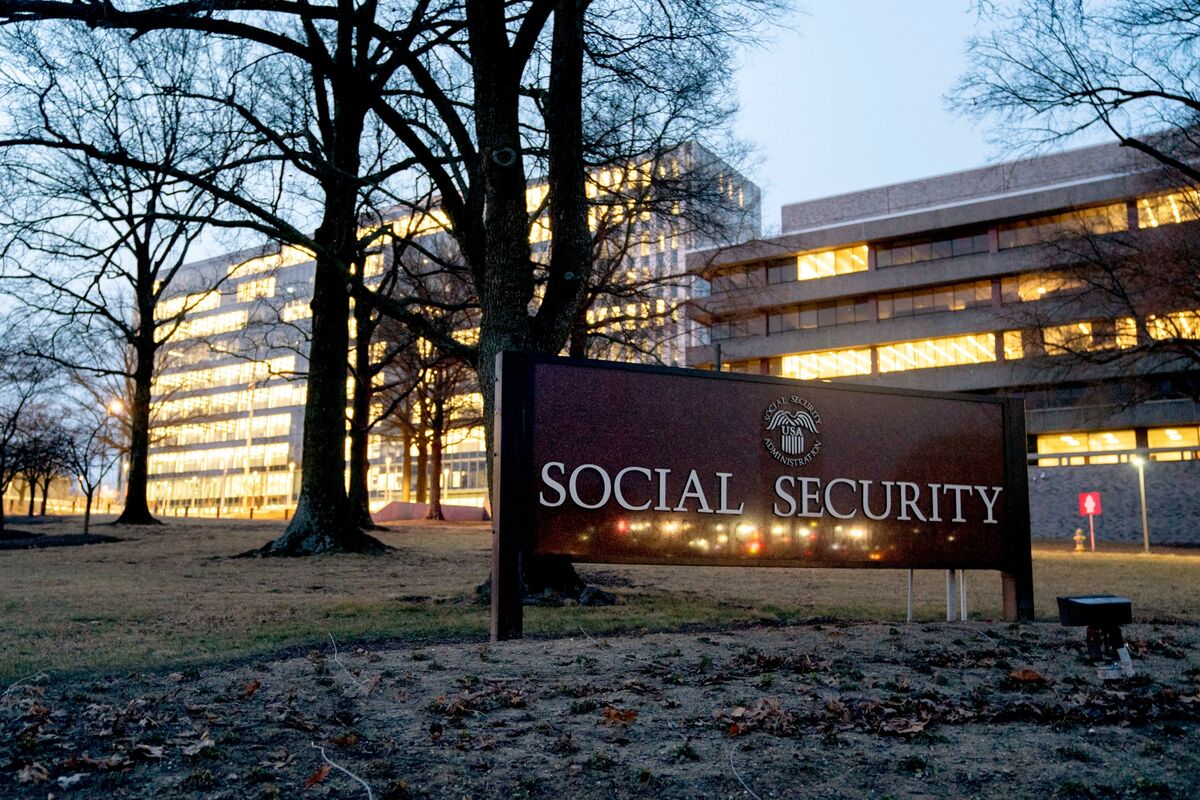
Social Security trustees project that the program's trust fund will be unable to pay full scheduled benefits by 2034, one year sooner than previously estimated. This shortfall will necessitate a 23% benefit cut for those currently aged 59 reaching full retirement age, increasing pressure on lawmakers to address the growing discrepancy between contributions and payouts.
New projections from Social Security trustees indicate a significant fiscal challenge, with the program's trust fund now anticipated to be unable to meet its full scheduled benefit obligations by 2034, a year earlier than previously forecasted. This accelerated timeline intensifies the urgency for legislative action to address the widening gap between contributions and payouts. Absent a structural fix, individuals who are currently 59 years old could face an automatic 23% reduction in their benefits upon reaching full retirement age. The strongly negative sentiment (-0.7) associated with this development underscores the potential adverse impact on future retirees' financial security and broader economic stability. While the moderate market impact score (0.6) suggests this is a longer-term systemic issue rather than an immediate market shock, it highlights growing fiscal pressures that will likely necessitate significant policy decisions related to fiscal policy, budget allocation, and potential regulatory or legislative reforms.
AI-powered research, real-time alerts, and portfolio analytics for institutional investors.
Request DemoOverall Sentiment
strongly negative
Sentiment Score
-0.70
