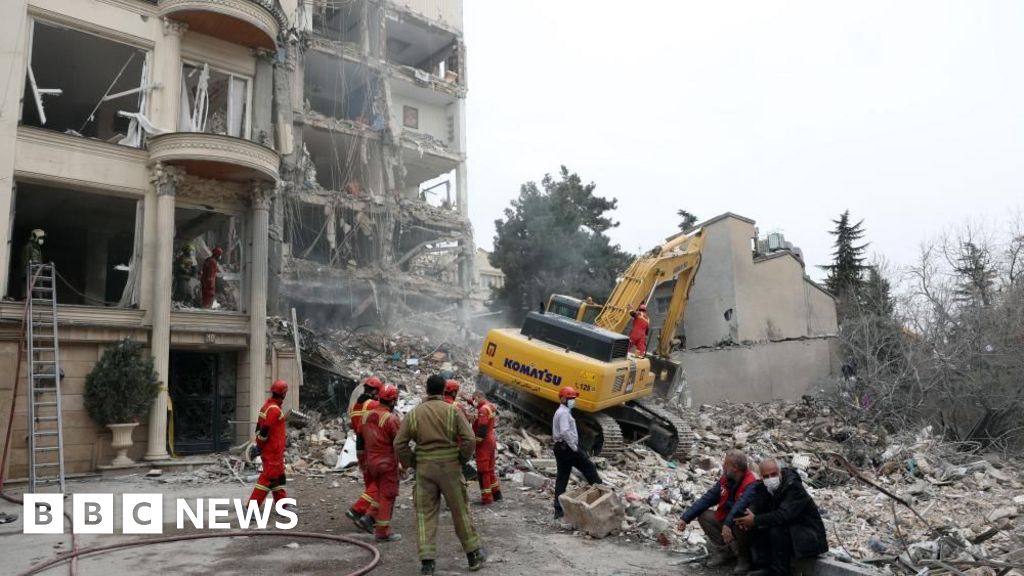
Five-day pause in threatened US strikes announced as Washington and Tehran reportedly make “major” progress toward talks; the conflict began on 28 February and earlier domestic crackdowns reportedly killed at least 7,000 people (6,508 protesters and 226 children). The potential ceasefire could materially reduce immediate Strait of Hormuz supply-risk that has pushed oil prices higher, but continued internet blackouts, heavy repression and deep public division leave significant tail risk for energy markets, regional assets and risk sentiment—favoring a cautious, risk-off stance.
The immediate market channel is an elevated geopolitical risk premium concentrated in tanker routes and insurance/freight costs — this transmits to refined-product spreads and marginal barrels faster than to physical crude supply. Expect volatility spikes in Brent/WTI and freight indices over days-to-weeks as shipping detours and P&I/war-risk premiums reprice; a sustained insecurity scenario could add the equivalent of $2–6/bbl to delivered oil costs for users in Europe and Asia for 1–3 months.
Domestic political uncertainty inside the producer state creates asymmetric tail risks: a short, decisive diplomatic settlement removes the premium quickly (days–weeks), whereas a prolonged low-intensity internal crackdown plus intermittent external strikes sustains elevated volatility for quarters. The mechanism matters — de-escalation that preserves the incumbent power structure likely reduces external shooting risk but increases long-term political repression, which raises the probability of episodic flaring of risk premia rather than a single resolution.
Second-order winners include flexible US shale producers and oil-services names with rapid restart capability (they capture marginal margin if prices sustain); insurers/reinsurers focused on marine war-risk and listed tanker owners should see direct revenue upside from higher freight and premiums. Losers are EM-risk proxies, regional carriers and industrials with exposure to elevated feedstock/transport costs; banks with concentrated exposure to sanction-risk counterparties face idiosyncratic credit jumps.
Consensus positioning likely underprices the persistence of volatility: markets often assume a quick diplomatic fix and under-allocate to oil vol/insurance trades, yet also under-appreciate reserve buffers (SPR, spare OPEC capacity) that cap upside. Tactical positioning should therefore buy optionality to the upside in energy and freight while keeping explicit event-based exits for a rapid de-risk on clear diplomatic progress.
AI-powered research, real-time alerts, and portfolio analytics for institutional investors.
Request DemoOverall Sentiment
strongly negative
Sentiment Score
-0.60
