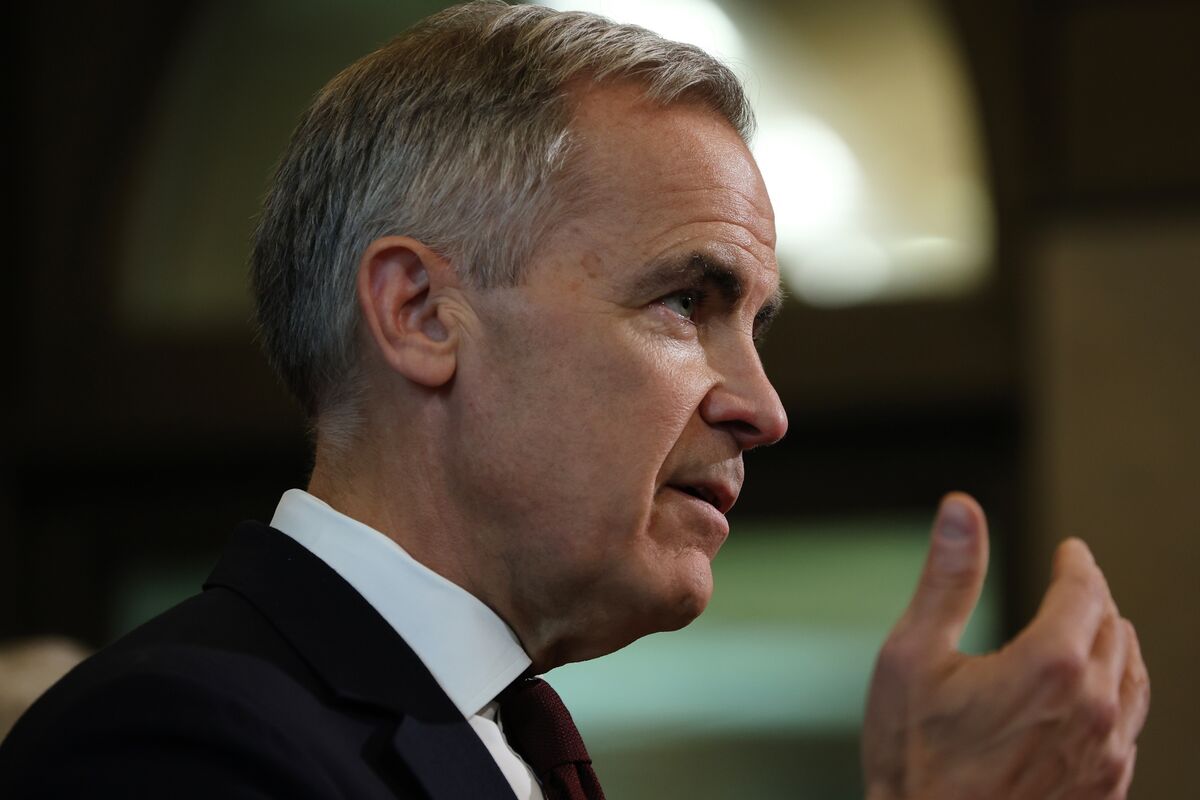
Prime Minister Mark Carney stated Canada can meet its projected $110 billion NATO obligation increase by leveraging the nation's critical mineral resources. This comes as the 32-member alliance discusses a new spending target of 5% of GDP, comprising 3.5% for core defense and 1.5% for related investments like infrastructure, underscoring the strategic value of critical minerals in fulfilling international defense commitments.
Prime Minister Mark Carney's statement outlines a potential strategy for Canada to meet a proposed new NATO spending target of 5% of GDP, which would amount to a significant $110 billion obligation. The proposal links national defense funding directly to the country's critical mineral resources, suggesting a novel approach to fiscal policy where natural resource wealth is leveraged for geopolitical and security commitments. This plan bifurcates the spending into 3.5% for core defense and 1.5% for related investments like infrastructure, implying that the development of the critical minerals sector itself could be framed as part of the defense contribution. This development positions Canada's commodity sector, specifically critical minerals, at the intersection of fiscal policy and international defense strategy, highlighting their increasing strategic value beyond purely economic considerations.
AI-powered research, real-time alerts, and portfolio analytics for institutional investors.
Request DemoOverall Sentiment
moderately positive
Sentiment Score
0.40
