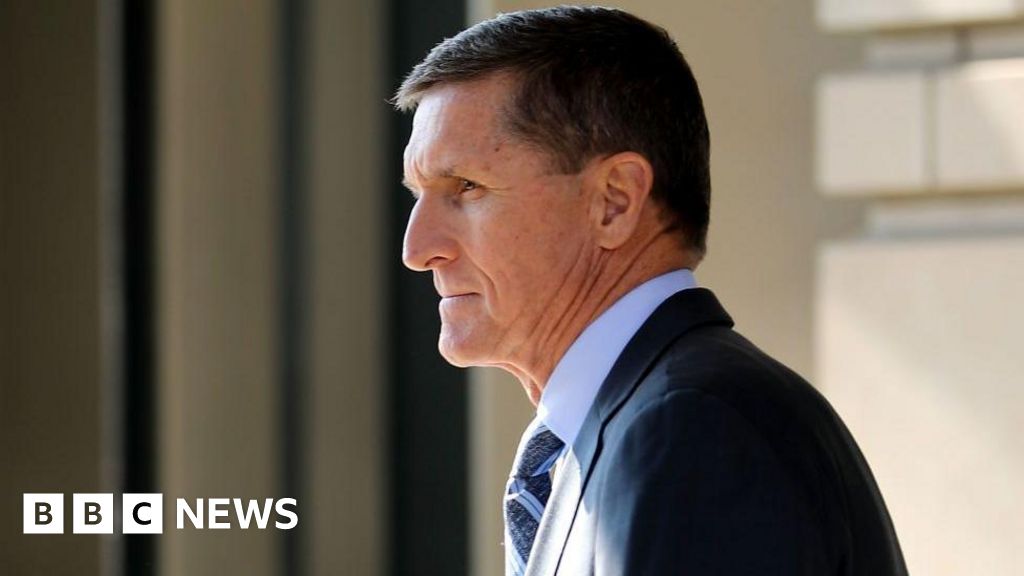
The DOJ reached a financial settlement with Michael Flynn over his 2023 wrongful-prosecution suit (he had sought $50m); the settlement amount was not disclosed. The parties will file dismissals with prejudice and each side will pay its own legal fees; the DOJ called the settlement a redress of a "historic injustice". The article notes related large claims against the DOJ, including Donald Trump's reported $230m claim, and scrutiny over how the administration handles payout demands.
This settlement increases the expected frequency of headline-driven, high-dollar claims against government actors and politically exposed individuals, which in turn should accelerate D&O and political-risk premium repricing over the next 12–24 months. Insurers willing/able to raise D&O pricing will see margin tailwinds once new rates hit renewal cycles (expect measurable revenue uplift starting Q3–Q4 2026 for annual policies), while those with large near-term reserve sensitivity could experience quarter-to-quarter earnings volatility.
Media and subscription publishers with strong politico-legal coverage stand to gain steady engagement from prolonged litigation cycles; incremental subscriber conversions on high-profile coverage are a low-capex, high-margin upside that can compound over 1–3 quarters. Conversely, small caps and firms with executives tied to political controversy face elevated idiosyncratic risk — price discovery will be driven by news flow rather than fundamentals until legal outcomes firm up.
Key catalysts to monitor: DOJ policy statements or settlement guidelines (weeks–months), major claim filings or resolutions from other politically exposed parties (Trump’s claim being the largest proximate catalyst), and congressional oversight actions that could constrain DOJ settlement authority (3–12 months). The biggest tail risk is a policy reversal or a court injunction that reopens precedent, which would spike volatility across insurers, legal services, and politically exposed equities.
Contrarian read: markets may overstate systemic fiscal impact; most settlements will be idiosyncratic and absorbed by underwriting cycles rather than the federal budget. Trade opportunities favor selective insurer exposure and tactical media/volatility plays instead of broad macro bets on increased governmental liabilities.
AI-powered research, real-time alerts, and portfolio analytics for institutional investors.
Request DemoOverall Sentiment
neutral
Sentiment Score
0.00
Ticker Sentiment
