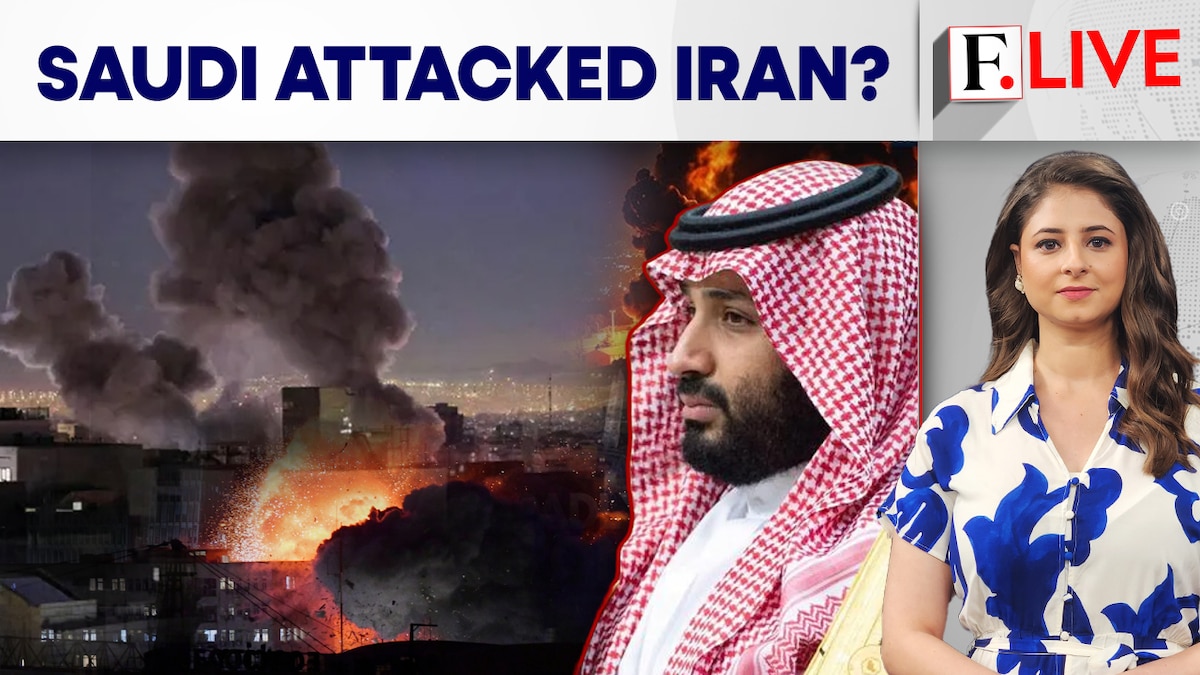
Saudi Arabia reportedly conducted direct airstrikes inside Iran in response to waves of Iranian missile and drone attacks, according to reports citing Western and Iranian officials. The alleged operation signals a major escalation in Gulf security dynamics and a shift away from relying solely on the United States to deter Iran. Even without official confirmation, the development is geopolitically significant and could lift risk premiums across energy, defense, and regional asset markets.
This is less about the immediate damage from any one strike and more about the regime shift in Gulf deterrence. If Saudi is willing to cross the threshold into direct action, the market should reprice a higher baseline probability of tit-for-tat escalation across energy corridors, air-defense assets, and shipping insurance, even if headline calm returns quickly. The first-order move is a spike in implied geopolitical risk; the second-order effect is that regional risk premia stay sticky for weeks because neither side wants to publicly validate a new red line.
The most important knock-on is not crude itself but the wider infrastructure and logistics stack tied to Gulf throughput: port operators, tanker rates, aviation insurance, and contractors with exposure to Saudi/UAE security capex. A conflict that remains contained can still lift defense procurement and missile-defense spending for multiple budget cycles, while simultaneously pressuring EM sovereign spreads and local equities with the highest external funding needs. If this is a real shift away from U.S.-dependent deterrence, it also modestly strengthens the case for faster regional rearmament and stockpiling, which benefits select defense names more than commodity producers.
The consensus risk is assuming 'secret and limited' means 'non-investable.' Markets often underprice the persistence of retaliatory risk after the first event, then overcorrect only when shipping lanes or civilian infrastructure are hit. The reverse trigger is fast if Washington brokers a face-saving de-escalation or if both sides signal mutual restraint; in that case, the opportunity is in fading the volatility rather than the event itself. Over a 1-3 month horizon, the better trade is to own convexity in defense and energy logistics while avoiding broad beta in GCC/EM proxies.
One underappreciated angle: a durable Saudi willingness to act independently could reduce the strategic value of Iranian proxies by forcing Tehran to conserve high-end capabilities for direct defense, which is bearish for proxy-linked disruption but bullish for countries and firms that supply sensors, interceptors, EW, and base hardening. That makes this a relative-value defense thesis, not a blanket risk-on/risk-off shock.
AI-powered research, real-time alerts, and portfolio analytics for institutional investors.
Request DemoOverall Sentiment
strongly negative
Sentiment Score
-0.55
