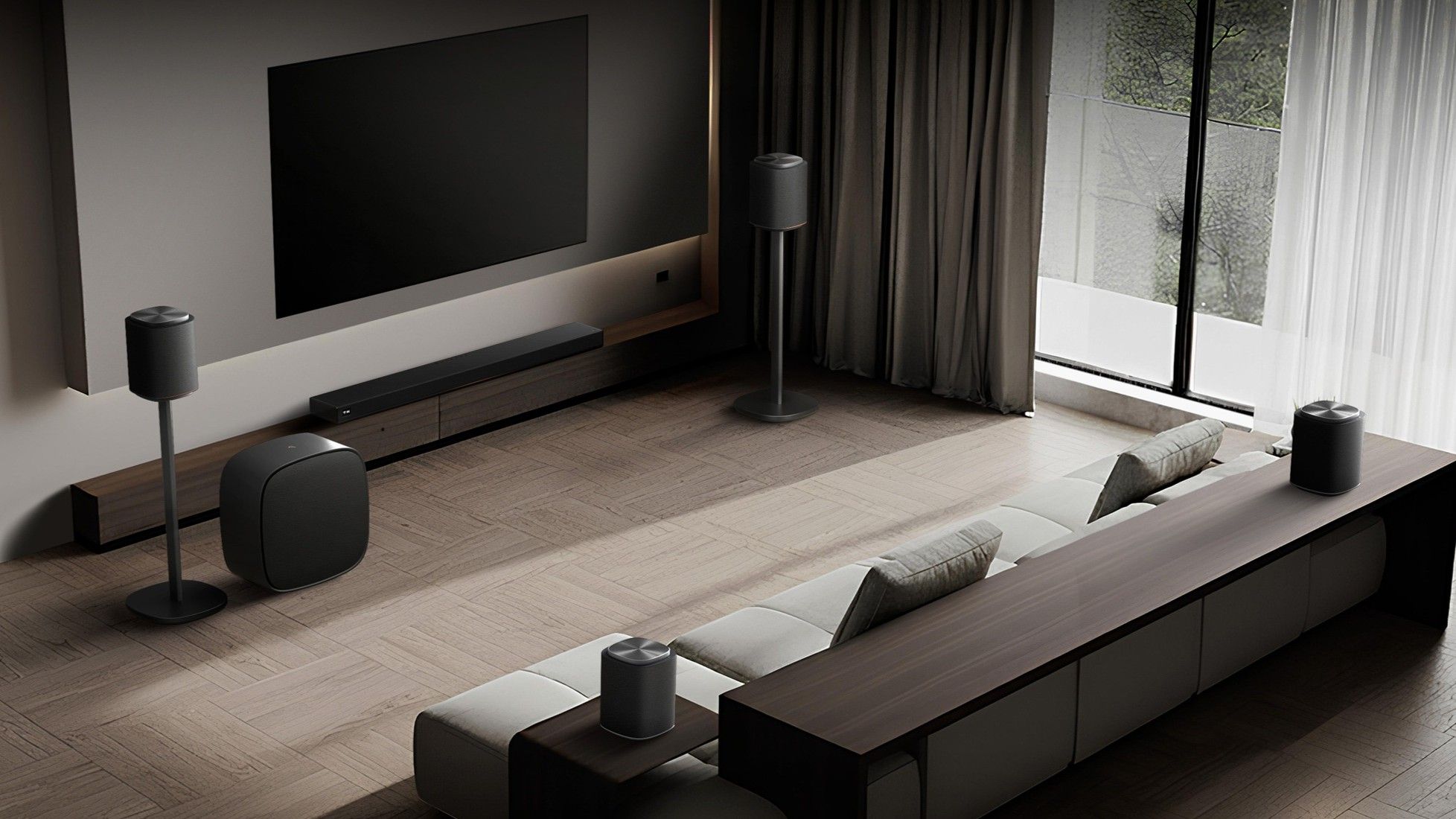
LG's 2026 TV lineup expands with several hardware-led product launches that could reshape its premium offering: an RGB Mini LED MRGB95 (75/86/100-inch) claiming 100% coverage of BT.2020/DCI‑P3/Adobe RGB and powered by the Alpha 11 Gen 3, a brighter flagship G6 (claimed +20% brightness vs G5, Gen 3 Alpha 11, 4K/165Hz, HDMI2.1 x4), a super-thin 9mm Wallpaper W6 with Zero Connect wireless hub, and C6/C6H and Gallery TV variants targeting different segments. The slate emphasizes display innovation (Primary RGB Tandem OLED trickling to C-series, Four Stack Tandem panels) and new audio/connectivity features (Dolby Atmos FlexConnect), but LG will not support Dolby Vision 2 in 2026 — a potential competitive/format weakness versus some rivals. Overall the cycle is product-positive for LG’s consumer electronics positioning but not an immediate market-moving financial event absent pricing, volume or revenue guidance.
Market structure: LG’s 2026 push (RGB Mini LED MRGB95, second‑gen Primary RGB Tandem OLED, ultra‑thin W6, Gallery TV) signals an intensifying premium TV arms race where winners will be OEMs that scale new backlight and panel tech fastest and suppliers of RGB Mini‑LED and advanced driver ICs. Expect 5–15% ASP pressure at the mid‑premium tier over 12–18 months as Mini‑LED competes with OLED on brightness/gamut and forces promotional pricing to pull forward adoption. Content/format fragmentation (no Dolby Vision 2 from LG in 2026) creates short‑term consumer confusion and modestly benefits vendors that adopt DV2 (TCL, Hisense) or content aggregators that standardize delivery.
Risk assessment: Tail risks include a supply shock (LED chip shortage) that could push RGB Mini‑LED component prices +20–40% in 3–6 months, or a regulatory antitrust investigation into exclusive display supply contracts in 12–24 months if incumbents lock panels. Immediate risks (days–weeks) are limited to launch PR and channel inventory guidance misses; medium term (3–9 months) execution of wireless Zero Connect and FlexConnect could underwhelm and dent near‑term sales. Hidden dependencies: success depends on panel yields, wireless latency/EMI in Zero Connect, and content/HDR ecosystem alignment — any of which could flip consumer preferences quickly.
Trade implications: Shorter horizon (0–3 months) trade alpha comes from option structures around consumer audio names (expect cannibalization) and selective long exposure to diversified entertainment/hardware hybrids. Over 3–12 months, tilt toward display supply chain and integrated OEMs that can monetize premium features; avoid single‑product audio vendors. Use pairs to express relative winners (scale + content ecosystems) vs losers (standalone soundbars, undifferentiated LCD players).
Contrarian angles: Consensus focuses on LG vs Samsung OLED war; overlooked is potential channel share gain for mid‑tier brands using RGB Mini‑LED to undercut OLED pricing — this could compress incumbent gross margins by 200–400bps in 12 months. Market may underprice downside for specialist audio OEMs and overprice near‑term upside for pure display names if panel yields disappoint. Historical parallel: 2017 QLED/OLED skirmish led to a 30–40% cumulative capacity reallocation; expect a similar 12–24 month capital redeployment cycle that creates volatility and entry points.
AI-powered research, real-time alerts, and portfolio analytics for institutional investors.
Request DemoOverall Sentiment
mildly positive
Sentiment Score
0.35
Ticker Sentiment
