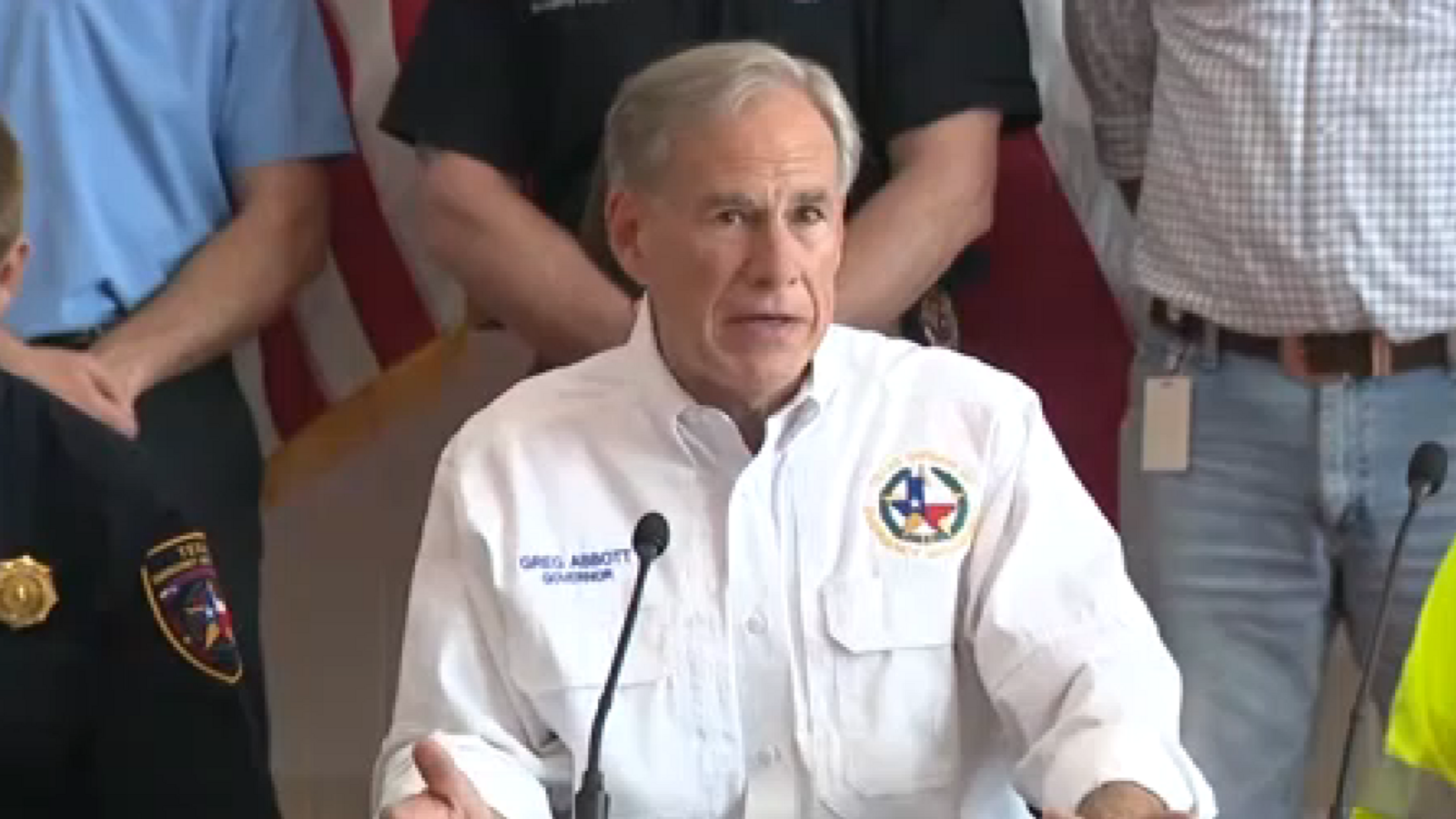
Texas Governor Greg Abbott declared a statewide state of emergency ahead of a severe winter storm forecast to begin Thursday (with southeast Texas impacts starting Saturday) and expected to hit northwest, north and northeast Texas hardest. Abbott directed the Texas Division of Emergency Management to activate statewide response resources and listed numerous agencies — including the Texas National Guard, TxDOT, the Public Utility Commission and the Texas A&M response teams — and urged use of warming centers. For investors, the declaration flags near-term operational risks to the Texas power grid and energy demand, potential transportation and logistics disruptions, and localized economic interruptions in infrastructure- and energy-exposed assets.
Market structure: Short-term winners are natural gas spot/futures holders, winterized thermal generators and midstream pipeline firms that capture higher throughput/tolling revenues; losers are non-winterized peakers, rail/air logistics operators and retailers in the affected corridors. Expect ERCOT nodal congestion and scarcity pricing to widen spark spreads by an estimated $10–$50/MWh during peak events; Henry Hub could move +10–30% on multi-day cold snaps if freeze-offs occur.
Risk assessment: Tail risks include sustained multi-day blackouts (repeat of Feb 2021), regulatory interventions (price caps/liability suits) and freeze-offs that curtail supply; these would impair EBITDA for unhedged generators and raise utility capex requirements. Timeframes: immediate (0–7 days) demand spike and volatility; short-term (1–3 months) earnings/dispatch swings and credit spread moves; long-term (6–24 months) higher capex/regulatory costs for Texas-facing assets.
Trade implications: Use short-dated energy volatility trades and targeted sector rotation: buy short-duration natural gas exposure if forecasts show 7-day HDDs >20% above norm, hedge with tight call spreads; selectively add regulated utilities/midstream with Texas footprint for 6–12 month windows (expect modest revenue tailwinds, 3–8% EPS lift potential if outages avoided). Monitor ERCOT scarcity signals, pipeline freeze alerts and HH futures contango/backwardation to size positions.
Contrarian angles: Consensus will overweight gas longs; risk is a fast mean-reversion if logistics slow industrial demand or if price caps are imposed — short gamma risk for call buyers. Historical parallel: 2021 produced long-term policy shifts but short-term overreactions; favor calibrated, time-limited option structures over outright directional exposure.
AI-powered research, real-time alerts, and portfolio analytics for institutional investors.
Request DemoOverall Sentiment
neutral
Sentiment Score
-0.10
