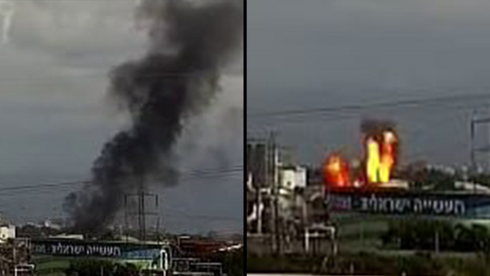
Iran has escalated a calibrated retaliatory campaign targeting energy, nuclear, industrial and academic sites, linking strikes such as South Pars to attacks on Haifa refineries and Natanz to strikes near Dimona. The campaign has already led to the shutdown of roughly 17% of Qatar’s gas production capacity (Ras Laffan) and includes threats to target universities and to disrupt shipping via Bab el-Mandeb, raising the risk of higher energy prices, regional supply disruptions and elevated market volatility.
The notable structural change is that the adversary is engineering escalation through economic nodes and third‑party vulnerabilities rather than symmetric military parity; that converts every energy node, logistics chokepoint and soft‑target into a risk asset with episodic, binary shocks. Expect realized volatility in Brent/WTI and LNG basis to spike in clustered events (days–weeks) and to raise forward curve risk premia for 3–12 months as market participants price in intermittent shut‑ins and rerouting costs.
Shipping economics are the under‑priced transmission mechanism: meaningful rerouting around a threatened choke point increases voyage distance, bunker burn and tanker demand, mechanically lifting spot TC rates and benefiting owners of large crude carriers and LNG vessels while penalizing time‑sensitive industrial supply chains. Insurance and war‑risk premia will reprice faster than physical capex cycles, creating a near‑term headwind to refiners and petrochemical margins via higher operating costs even if feedstock availability remains intact.
On a medium horizon (3–12 months) this dynamic accelerates allocators into defense, intelligence/cybersecurity and logistics sovereignty plays, but there is a symmetric downside: sustained energy price elevation (>$10–15/barrel risk premium) materially increases demand destruction risk and central bank inflation reactions, which would compress risk assets and cap the upside for cyclicals. Key catalysts to watch are a credible closure of a major choke point, a coordinated insurance repricing bulletin, or a diplomatic de‑escalation signal — any of which will flip the market regime rapidly.
AI-powered research, real-time alerts, and portfolio analytics for institutional investors.
Overall Sentiment
strongly negative
Sentiment Score
-0.70
