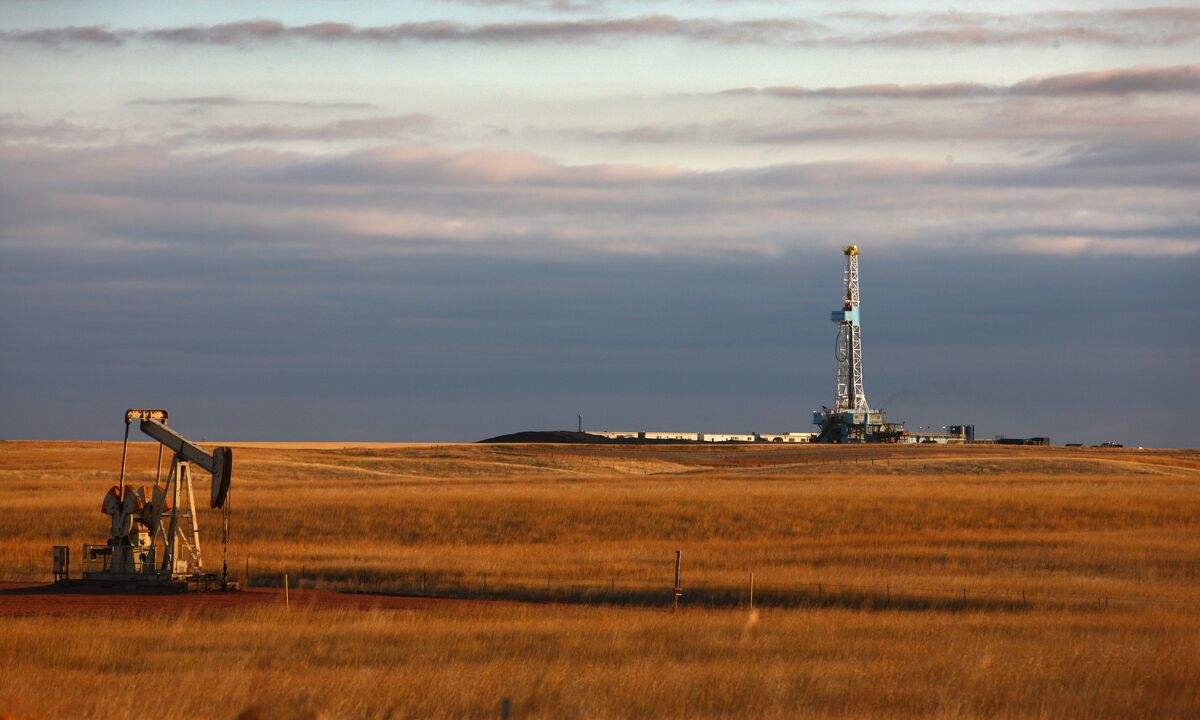
Oil output from the Bakken, the second-largest US shale field, is showing signs of a slowdown, as evidenced by declining flows on the Dakota Access Pipeline (DAPL). DAPL volumes dropped to 542,000 barrels per day (b/d) in August from 566,000 b/d in July and a January high of 588,000 b/d, with preliminary September figures showing further declines. This trend, occurring despite the pipeline's 750,000 b/d capacity, signals potential headwinds for US crude production.
Oil output from the Bakken shale, the second-largest US shale formation, is exhibiting clear signs of a slowdown, a potentially material development for domestic supply. The primary evidence is a consistent decline in crude flows on the Dakota Access Pipeline (DAPL), which fell from a high of 588,000 barrels per day (b/d) in January to 542,000 b/d in August. According to data from Wood Mackenzie, this downtrend has extended into September with preliminary volumes slipping further. This decline is particularly notable given the pipeline's total nameplate capacity of 750,000 b/d, indicating significant underutilization and reinforcing the signal of weakening regional production. As a key contributor to national output, a contraction in the Bakken could signal broader headwinds for US crude production growth.
AI-powered research, real-time alerts, and portfolio analytics for institutional investors.
Request DemoOverall Sentiment
moderately negative
Sentiment Score
-0.50
