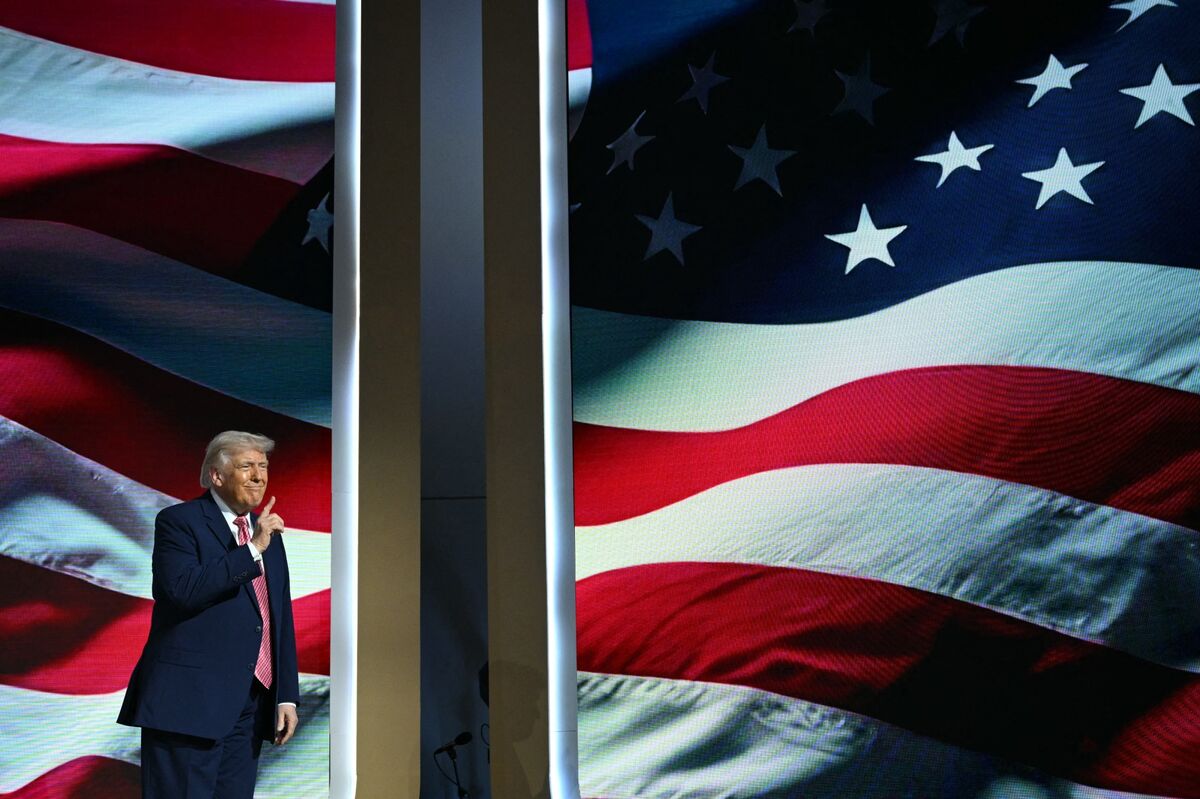
The article argues that the Iran war and fragile Persian Gulf ceasefire are reshaping global markets, alliances, and the Middle East. It highlights a weaponized world economy, eroding global norms, and a shift toward raw-power politics. The implication is elevated geopolitical risk for energy, trade routes, and broader market stability.
The first-order market read is not just higher geopolitical risk; it is a regime shift toward a higher variance distribution for shipping, insurance, industrial inputs, and cross-border capital flows. The second-order effect is that firms with substitute suppliers, domestic capacity, or pricing power should outperform while highly levered, just-in-time supply chains face margin compression even if headline commodity prices retrace. In that sense, the trade is less about a one-off energy spike and more about a persistent risk premium embedded across freight, defense procurement, and compliance-heavy industries. The biggest hidden winner is the sanctions/export-control stack: once governments normalize weaponized trade tools, compliance costs and working-capital drag rise for multinational manufacturers, semis, and industrial automation names with exposure to the Gulf, Turkey, India, and Europe’s re-routing lanes. Expect a lagged hit over 1-3 quarters as inventory buffers get rebuilt and route redundancy gets priced in; this tends to favor logistics, defense, cybersecurity, and select domestic infrastructure while penalizing global cyclicals with thin margins and weak pass-through. Energy is still the obvious beneficiary, but the cleaner expression may be through refining, LNG, and U.S. midstream rather than crude alone, since bottlenecks and dislocations tend to widen crack spreads and basis differentials before they move benchmark prices meaningfully. The contrarian point is that the market may be overpricing permanent fracture and underpricing rapid diplomatic normalization or demand destruction. If the ceasefire holds, risk premia can mean-revert quickly, especially in shipping and defense where crowded positioning can unwind faster than commodity exposure. The better asymmetry is to own assets with structural pricing power or budgeted geopolitical upside, while using options to avoid being trapped in a sharp reversal if the situation de-escalates within days or weeks.
AI-powered research, real-time alerts, and portfolio analytics for institutional investors.
Overall Sentiment
strongly negative
Sentiment Score
-0.68
