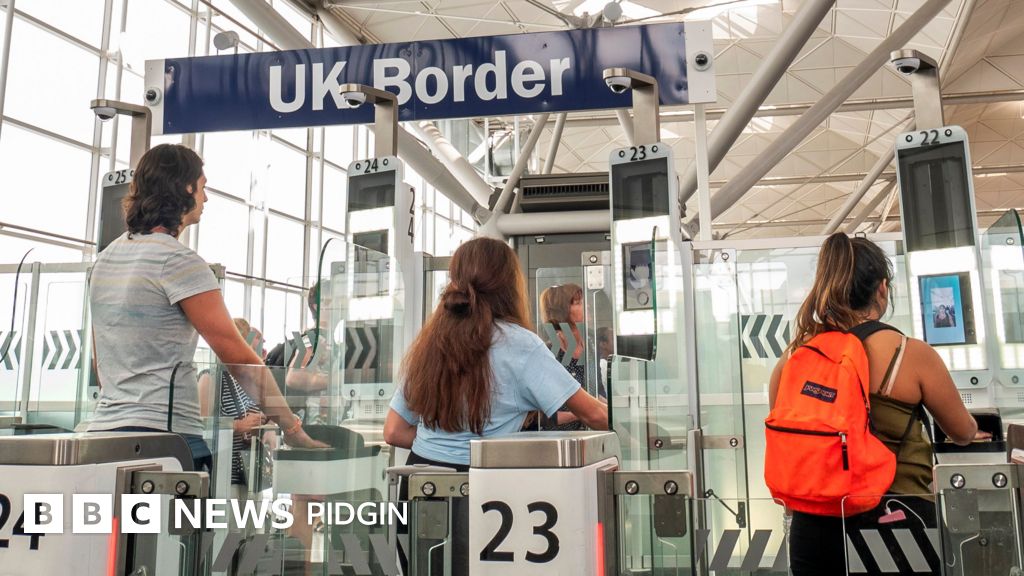
The UK is implementing an electronic travel authorization (ETA) requirement from 25 February for visa‑free visitors from 85 countries—including the US, Australia and Canada—valid for two years (or until passport expiry) and allowing multiple visits of up to six months. The ETA costs £16 (planned to rise to £20), is applied via a phone app with most decisions in minutes, and will be digitally checked by carriers at check‑in; travellers who normally need a visa remain unaffected. A key operational risk is that British dual nationals cannot use ETAs and must instead travel on a British passport or a digital certificate of entitlement, which can be time‑consuming and costly to obtain, creating potential disruption for affected individuals and short‑term travel flows.
Market structure: The ETA creates a small but persistent revenue stream for platforms and identity vendors and raises operational burdens for carriers, OTAs and border-processing contractors. Direct winners: identity/ID verification vendors, App Store platforms (AAPL/GOOGL) and passport/document service contractors; losers: low-margin regional carriers and ticket-resellers that must absorb compliance costs or face check-in denial. Competitive dynamics will favor vendors who can integrate ETA checks into booking flows (amplifying Amadeus/Travelport-style middleware) and payment processors that monetize the £16-£20 fee flow.
Risk assessment: Short-term (days–weeks) tail risk is operational: app outages or Home Office system failures could trigger flight denials and strike airline revenue (-1%–5% stock moves intraday). Medium-term (1–12 months) risks include legal/political pushback and higher demand for passport services (~weeks–months lead time). Hidden dependencies: bilateral data-sharing/privacy constraints, airline check-in software rollouts and mobile OS acceptance rules; catalysts include Home Office dashboards on refusal rates or a major airline tech failure.
Trade implications: Expect transient underperformance in airline equities (RYAAY, IAG.L) and relative outperformance in identity/security (OKTA, CRWD) and payments (V, MA). Use size-limited option hedges around known volatility windows (first 30 days of enforcement) and pair trades: long identity/security vs short exposed carriers. Timing: take tactical hedges now (0–3 months) and build sector tilts in cybersecurity/payments over 3–12 months as recurring ETA volumes materialize.
Contrarian angles: The market may overestimate durable demand destruction—ETA is low-friction (auto approvals minutes) so booking volumes should normalize; any price shock is likely a short-lived operational repricing. Historical parallel: U.S. ESTA rollout caused initial airline pain then normalization; that argues for buying the identity/software providers and short-duration options against airlines rather than multi-year shorts. Unintended consequences: higher passport issuance demand benefits government contractors and premium expedited-document services, creating niche winners not yet priced in.
AI-powered research, real-time alerts, and portfolio analytics for institutional investors.
Request DemoOverall Sentiment
neutral
Sentiment Score
0.00
Ticker Sentiment
