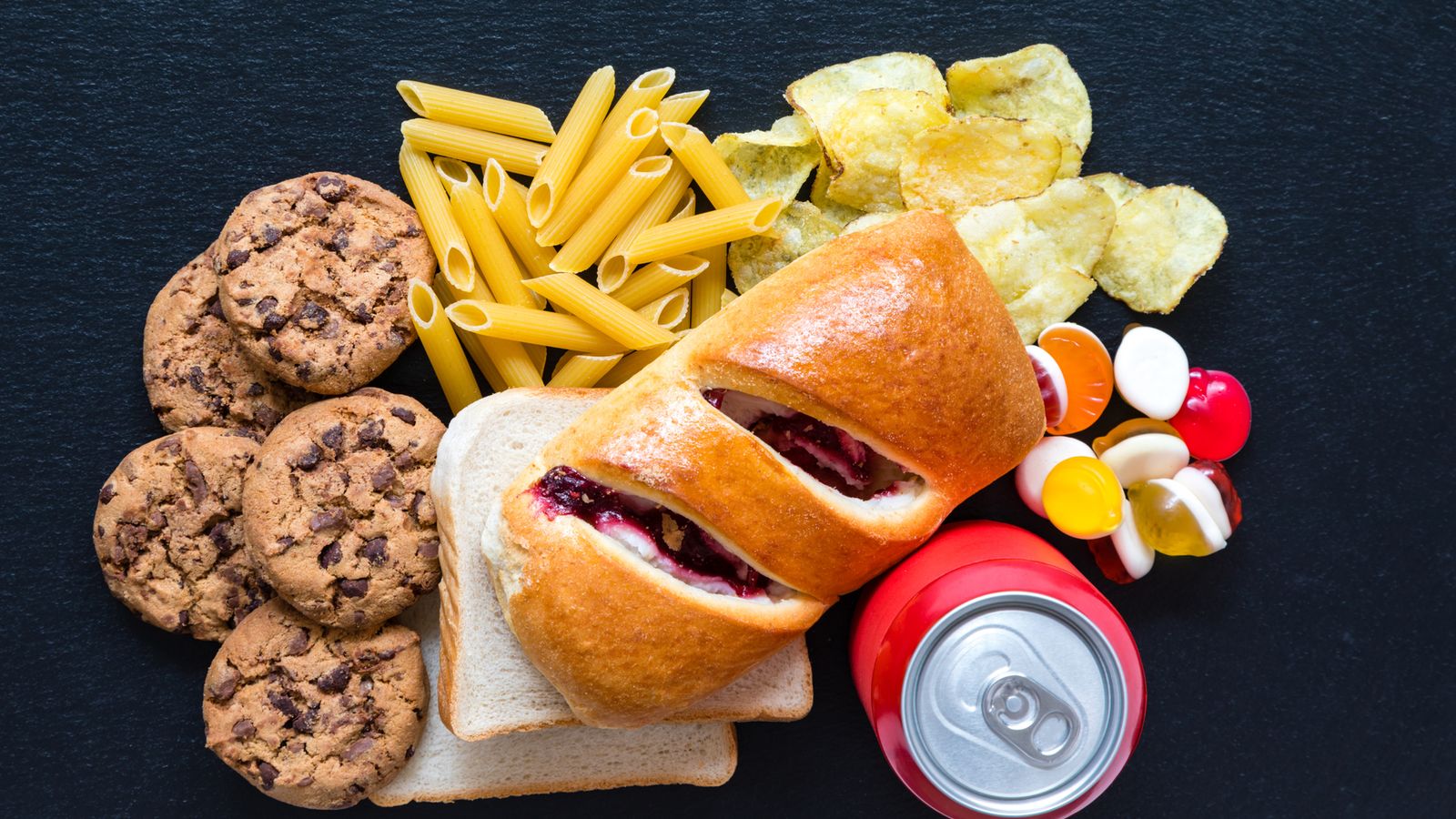
A 43-author Lancet commentary warns ultra-processed foods (UPFs) are a leading driver of a ‘‘chronic disease pandemic,’’ arguing that major food companies have used growing economic and political power to influence policy, manufacture doubt and slow public-health responses—paralleling early tobacco fights; UPFs (e.g., processed meats, ready meals, sugary drinks) are linked in prior studies to higher risks of heart disease, stroke and some cancers. Industry trade group FDF counters that members have reformulated products—claiming about one-third less salt and sugar and 25% fewer calories since 2015—while independent experts urge more causal research. For investors, the debate signals rising regulatory, litigation and reputational risk for large food manufacturers and highlights the importance of monitoring policy changes, labeling rules and the effectiveness of reformulation strategies.
A Lancet commentary authored by 43 scientists warns that ultra-processed foods (UPFs) are a leading driver of a "chronic disease pandemic," naming categories such as processed meats, ready meals, mass-produced bread, snacks and fizzy drinks as often high in saturated fat, salt, sugar and additives that displace more nutritious foods. The article cites prior epidemiological evidence linking UPF intake to higher risks of heart disease, stroke, early death and several cancers, including a 2023 meta-analysis noting associations with colorectal, breast and pancreatic cancers.
The authors accuse major food companies of growing economic and political power and "co-ordinated efforts... to skew decision-making," warning that public-health responses remain nascent and likening the situation to early tobacco control efforts. The industry trade group FDF disputes the characterization, pointing to reformulation progress—around one-third less salt and sugar and roughly 25% fewer calories in member products since 2015—while independent experts note current studies show association but not definitive causation.
For investors, the report and accompanying commentary raise elevated regulatory, litigation and reputational risk for packaged-food manufacturers and ingredient suppliers; sentiment is moderately negative and the reported market-impact score is modest, implying limited immediate market stress but meaningful structural risk. Key channels to monitor that could affect margins and valuation include tightened labeling or taxation, litigation trends, shifts in consumer demand toward minimally processed foods, and the effectiveness and credibility of corporate reformulation efforts illustrated by retailer and public-health initiatives such as Tesco's pharmacist training program.
AI-powered research, real-time alerts, and portfolio analytics for institutional investors.
Request DemoOverall Sentiment
moderately negative
Sentiment Score
-0.35
