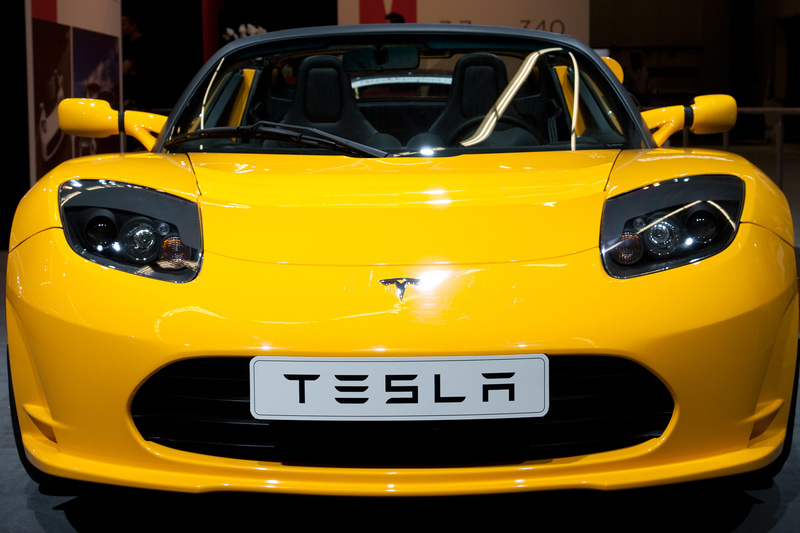
Tesla is negotiating nearly $2.9B of Chinese solar manufacturing equipment toward a 100-gigawatt domestic capacity goal, which Jefferies sees as a potentially negative development for First Solar. First Solar reported Q4 earnings 6% below estimates and issued 2026 revenue guidance of $4.9B–$5.2B (about 17% below Street and ~3% YoY decline); shares are down 27% YTD at $189.92 (P/E 13.32). Multiple analysts cut ratings/targets (Deutsche Bank downgraded to Hold, PT $245 from $300; Jefferies cut PT to $205 from $260, etc.), and the Tesla equipment deal may require Beijing approval and face U.S. import restrictions, increasing execution and regulatory risk for supply dynamics.
An accelerated, large-scale OEM push into domestic module production is a structural disrupter for incumbents that derive premium valuation from near-term scarcity of module capacity. That shift compresses spot ASPs for crystalline silicon modules and forces thin‑film incumbents to defend higher-margin niches (utility scale, tracking integration, or long-term PPAs), increasing margin volatility for players exposed to merchant project markets.
Policy and export-control vectors create a binary, high-conviction catalyst calendar: approvals or blocks can swing near-term execution probability, while practical ramp risks (equipment integration, yield curves, supplier qualification) govern medium-term market share shifts over 6–24 months. Expect decoupling between order announcements and meaningful module shipments — the headline cycle will be choppy and amenable to event-driven trades around approvals, customs rulings, and certification milestones.
Second-order beneficiaries include inverter/plant-integrator vendors and project developers that can arbitrage lower module input costs into higher EPC margin capture; losers beyond the obvious incumbent OEM are capital-intensive, slow-to-scale thin-film producers and legacy glass/wafer suppliers. The market has likely front-run a permanent share loss for incumbents; however, conditional outcomes (policy blockage, quality shortfall, domestic permitting friction) create asymmetric opportunities for active pairs and hedged option structures.
AI-powered research, real-time alerts, and portfolio analytics for institutional investors.
Overall Sentiment
strongly negative
Sentiment Score
-0.60
Ticker Sentiment
