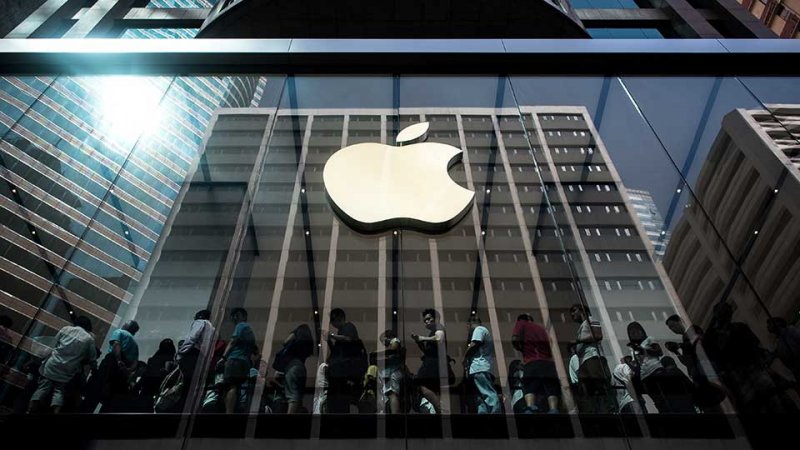
Apple disclosed that two critical vulnerabilities were patched but most iPhones remain exposed because a large share of users have not upgraded to iOS 26; estimates in the article vary widely (roughly 50% unupdated, StatCounter suggesting <20% upgraded, TelemetryDeck ~60%, and Vice saying ~84% not downloaded). Apple has limited the interim security update (iOS 18.7.3) to devices that cannot run iOS 26, leaving hundreds of millions potentially vulnerable and making upgrading the only effective mitigation. For investors, the story signals heightened operational and reputational risk for Apple, potential support and remediation costs, and the possibility of increased regulatory or customer backlash if exploitation continues.
Market structure: Immediate winners are enterprise/mobile cybersecurity vendors and MDM vendors (CrowdStrike, Palo Alto, Zscaler, SentinelOne, MobileIron-type players) because hundreds of millions of unpatched iPhones increase demand for endpoint protection and managed-device services; losers are Apple (AAPL) brand/reputation and secondary-market device holders if forced upgrades/recalls occur. Pricing power shifts toward security software (higher ARR, stickiness), while iPhone hardware revenue impact is likely muted short-term but could compress Services goodwill if consumer trust drops.
Risk assessment: Tail risks include a high-profile exploit or regulator probe (FTC/SEC) leading to multi-billion fines or replacement programs (low prob, high impact). Immediate (days) — headline-driven volatility and IV spikes for AAPL; short-term (weeks–months) — uptake metrics and potential class-action filings; long-term (quarters) — slower iOS upgrade cycles could nudge replacement cadence and lift enterprise security budgets. Hidden dependency: adoption estimates vary widely (StatCounter <20% vs TelemetryDeck ~60%); this measurement uncertainty is a key model risk.
Trade implications: Tactical equity allocation to security names (1.5–3% positions) with 3–12 month horizons; hedge AAPL downside with short-dated put spreads (1–3 month 5–10% OTM) sized to cover core exposure. Pair trade: long CRWD (or PANW) vs short AAPL hardware exposure to capture relative rerating; options: buy CRWD 3–9 month LEAPS or 3-month call spreads if IV stabilizes. Entry now; tighten stops if iOS26 adoption crosses 50% within 6–8 weeks.
Contrarian angles: Consensus overestimates lasting damage to AAPL—historical iOS security scares produced sub-10% transient hits, not structural losses; if market sells AAPL >7% on this story, consider tactical re-entry (buy the dip) because Apple's upgrade-policy levers and cash buffer reduce long-term risk. Unintended consequence: aggressive coercion to upgrade could accelerate hardware replacement, benefiting suppliers (TSM, Largan) — a potential asymmetric play overlooked by shorts.
AI-powered research, real-time alerts, and portfolio analytics for institutional investors.
Request DemoOverall Sentiment
moderately negative
Sentiment Score
-0.45
Ticker Sentiment
