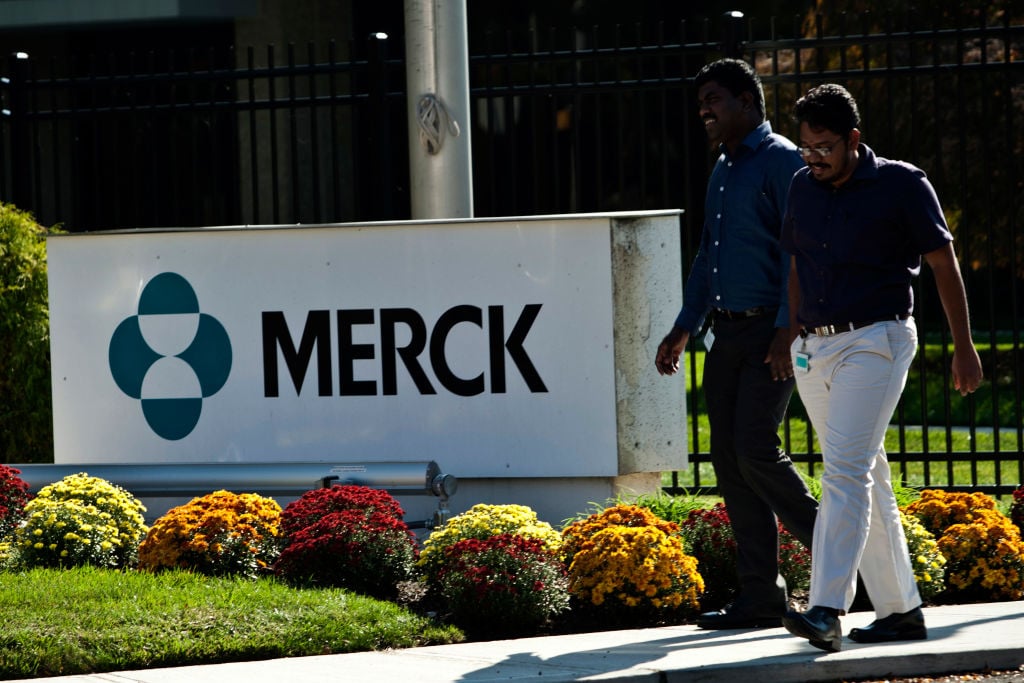
Merck's oral PCSK9 inhibitor, enlicitide, achieved significant LDL-C reductions in two Phase 3 trials, demonstrating efficacy comparable to existing injectable biologics. Leerink Partners analysts view its oral administration, room-temperature storage, and likely lower pricing as key advantages that could drive substantial market expansion, particularly in primary care settings where injectable hesitation is high, and help Merck mitigate revenue loss from Keytruda's patent expiry. While the drug faces potential compliance challenges due to its fasting-dependent dosing and emerging competition, its strong lipid-lowering data and the broader validation of the PCSK9 mechanism by recent Amgen data position enlicitide as a significant pipeline asset.
Merck & Co.'s (MRK) oral PCSK9 inhibitor, enlicitide, demonstrated significant LDL-C reductions of 59.7% and 59.4% versus placebo in two Phase 3 trials (CORALreef Lipids and HeFH, respectively). These results are comparable to existing injectable PCSK9 inhibitors, positioning enlicitide with a "significant advantage" due to its oral administration, room-temperature storage, and anticipated lower pricing. This oral profile addresses a key barrier to adoption for current injectables, which saw combined U.S. sales of only $1.8 billion in 2024 despite blockbuster status.
Leerink Partners analysts project "significant uptake" for enlicitide, particularly in primary care settings where patient hesitation towards injectables is high. The drug's potential to drive patient conversions from existing injectables could substantially expand the PCSK9 market. Furthermore, enlicitide is seen as a crucial asset for Merck to mitigate the anticipated revenue decline from Keytruda's looming loss of exclusivity.
Amgen's (AMGN) recent Repatha data, showing a 21% reduction in cardiovascular death risk in primary prevention, validates the PCSK9 mechanism, which enlicitide leverages, potentially influencing future treatment guidelines. However, enlicitide faces compliance challenges due to its strict fasting requirements, despite self-reported 97% adherence in trials. The PCSK9 field is also becoming more crowded, with AstraZeneca (AZN) developing a competing oral drug, though it is currently years behind Merck's candidate.
AI-powered research, real-time alerts, and portfolio analytics for institutional investors.
Request DemoOverall Sentiment
strongly positive
Sentiment Score
0.75
Ticker Sentiment
