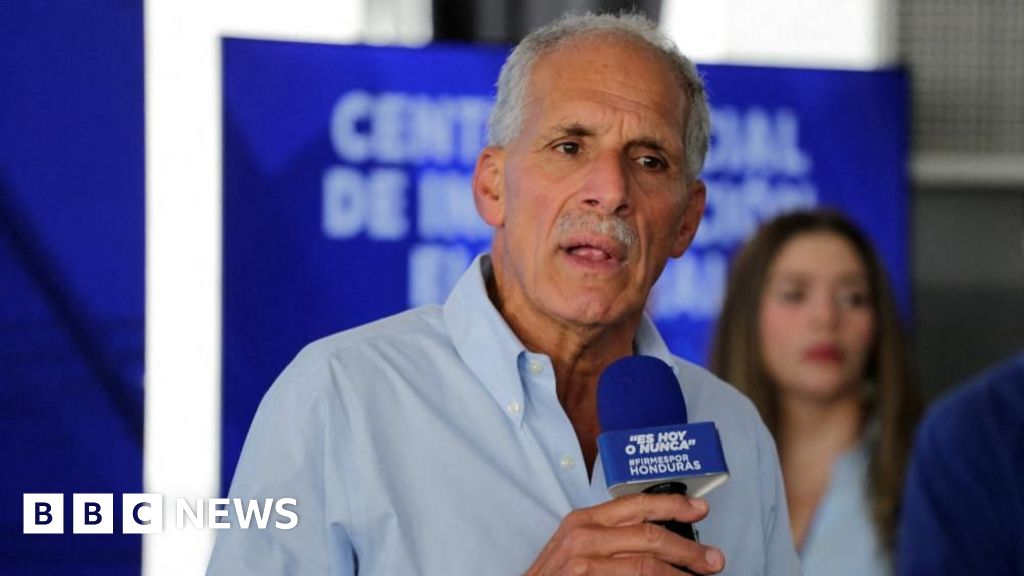
Nasry Asfura, the Trump-backed candidate from the conservative National Party, has been declared winner of Honduras's Nov. 30 presidential vote with 40.3% versus Salvador Nasralla's 39.5% after repeated technical outages and hand-counting of roughly 15% of tally sheets. The delayed count sparked nationwide protests and allegations of fraud from the outgoing president and opposition, while U.S. involvement — including public endorsements, threats to withdraw financial support, and a surprise pardon for ex-president Juan Orlando Hernandez — raises near-term political and policy uncertainty. For investors, the contested outcome and heightened political tensions create downside risks to bilateral cooperation, potential shifts in U.S. aid and migration-related policy, and short-term uncertainty for Honduras’s political stability and regional relations.
Market structure: Victory for a US-aligned conservative in Honduras raises near-term demand for USD liquidity and increases political risk premia on Honduran sovereign paper. Direct winners: US security/contractor names (potential near-term budget/tactical funding, see LDOS, MSI); direct losers: Honduras FX (HNL) and USD sovereign bonds where spreads should widen 100–400bps if unrest persists. Cross-asset: expect short-term EM spread widening (EMB up-vol), higher USD/HNL, and small knock-on pressure on regional FX and bank credit lines.
Risk assessment: Tail risks include sustained civil unrest, an international aid suspension, or targeted US sanctions — low probability but could add >500bps to sovereign spreads and precipitate default within 12–24 months. Timeline: immediate (0–30 days) = volatility and flight-to-quality; short-term (1–6 months) = CDS and bond spread re-pricing; long-term (6–36 months) = FDI decline and slower growth. Hidden dependency: US domestic politics (Trump endorsements, pardons) materially change Washington’s conditionality on aid and anti-corruption programs, altering capital flows.
Trade implications: Tactical trades favor hedging Honduran/Regional EM exposure and selectively long US border-security contractors. Direct plays: buy 1–2% notional sovereign protection or short Honduran USD bonds; buy 3–6 month call spreads on LDOS/MSI (0.5–1% portfolio). Option strategy: buy EMB put spread (3-month) as a cheap convex hedge to a 200–400bp spread widening.
Contrarian angles: Market may over-price contagion — if Honduras spreads overshoot peers by >300bps, expect mean reversion within 3 months as aid/policy clarity returns. Historical parallel: 2017 Central American election shocks produced 2–4 week EM overshoots then retracement. Opportunistic long EMB or regional sovereigns on >8% ETF drawdowns or CDS spike >300bps versus Colombia/Peru could capture rebounds.
AI-powered research, real-time alerts, and portfolio analytics for institutional investors.
Request DemoOverall Sentiment
moderately negative
Sentiment Score
-0.35
