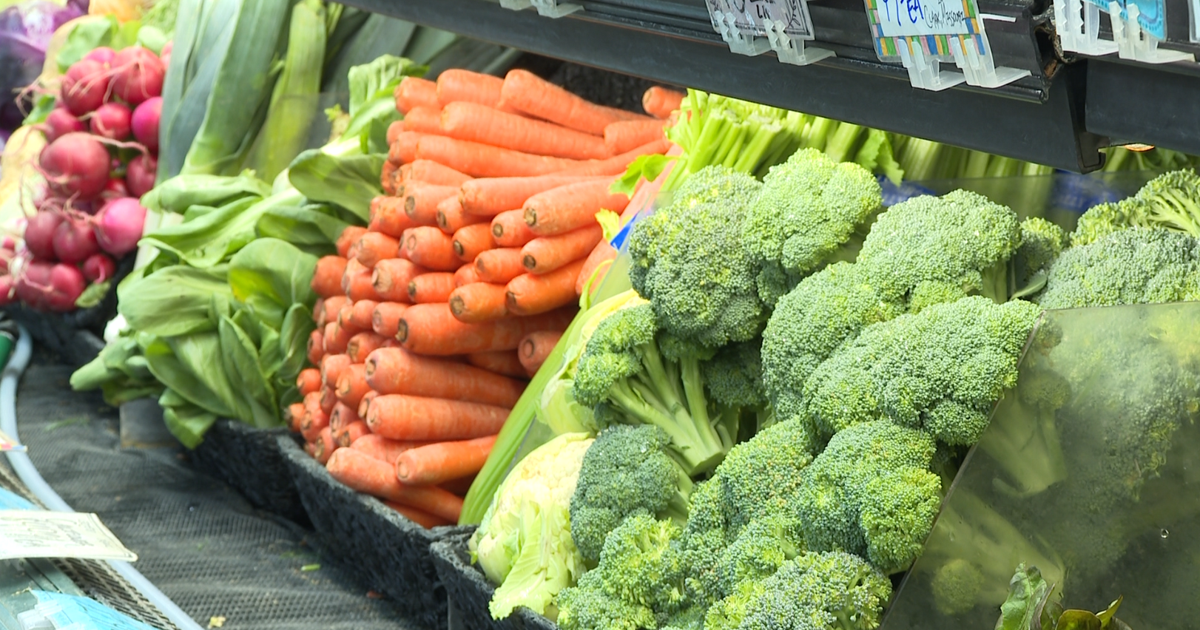
U.S. food prices rose 3.2% year over year in April, with groceries up 2.9% and restaurant/prepared food prices also higher. The article links the pickup to soaring fuel costs from the Iran war and Strait of Hormuz disruptions, alongside tariffs and weather-driven pressure on items like tomatoes, beef and coffee. Inflationary pressure may take 3-6 months to fully reach retail shelves, raising broader CPI risk.
The immediate equity read-through is not “food inflation” broadly, but margin asymmetry across the agricultural value chain. Firms with pricing power and short-cycle pass-through in branded packaged foods, cold-chain logistics, and inputs-light distribution can preserve spreads, while independents and low-ticket retailers face a double hit from freight surcharges and slower consumer adjustment. The second-order winner is any business that monetizes volatility itself—payment for priority shipping, warehousing, and private-label sourcing relationships—because supply-chain uncertainty tends to widen the moat of scale.
The inflation impulse is likely to arrive in two waves. The first is visible within 1-2 CPI prints through fuel-intensive categories and import-dependent perishables; the second, more dangerous wave shows up 3-9 months later via fertilizer, packaging resin, and planting decisions, which can keep food inflation sticky even if energy retraces. That timing matters because markets often fade geopolitics after the initial spike, but agriculture is a lagged transmission mechanism with a much slower mean reversion.
The biggest underappreciated risk is policy feedback: if grocery inflation becomes politically salient, tariffs and trade restrictions become harder to unwind, and that can keep fresh produce and beverages elevated even after the conflict premium fades. Conversely, a sharp de-escalation in Strait of Hormuz risk would likely compress energy-sensitive input costs quickly, but supermarket shelf prices should prove sticky on the downside, creating a favorable asymmetry for companies already repricing. The move is probably underdone in foods with high freight/packaging intensity and overdone in some defensives where the market is already pricing persistent inflation.
A contrarian angle is that the headline inflation impulse may be less important than quantity effects: persistent price increases can force trade-down, promotion intensity, and lower basket sizes, which eventually pressure revenue growth for grocers and CPGs even if nominal prices stay high. That makes this more bearish for low-income consumer exposure than for the suppliers themselves, especially over the next 1-2 quarters.
AI-powered research, real-time alerts, and portfolio analytics for institutional investors.
Request DemoOverall Sentiment
mildly negative
Sentiment Score
-0.35
