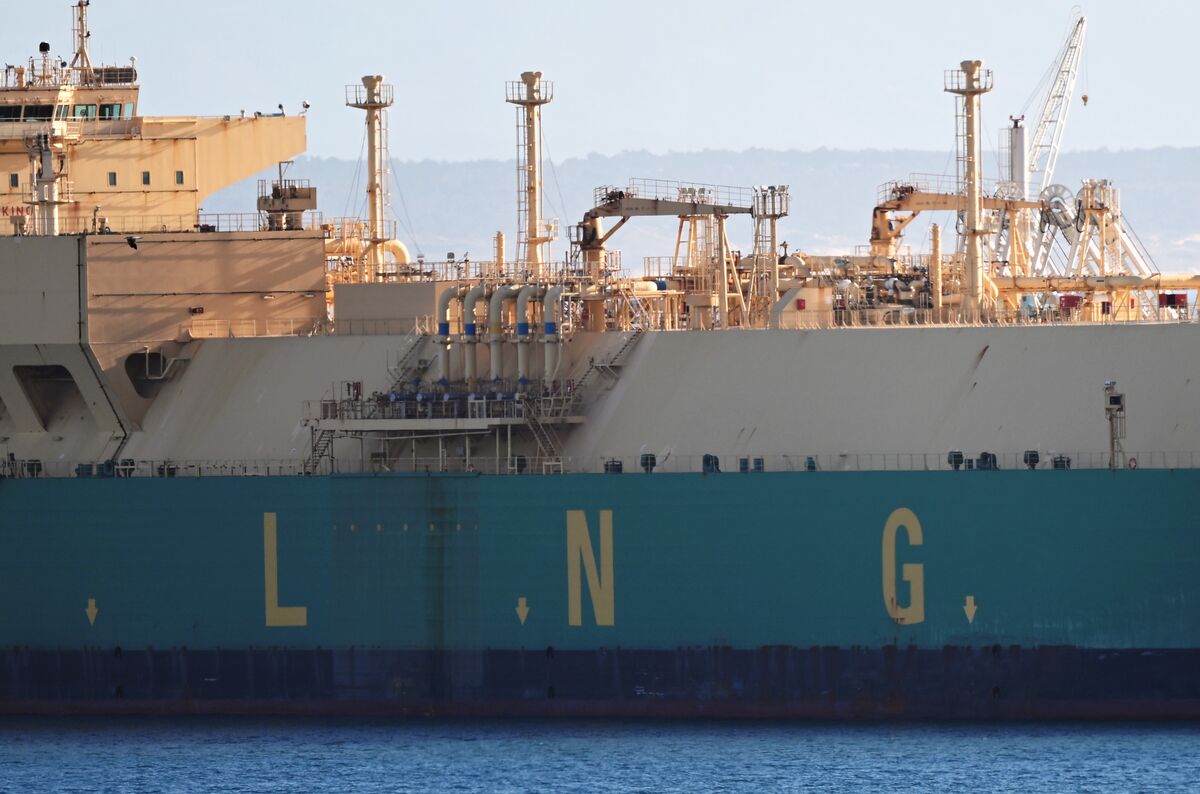
The European Union is reportedly considering accelerating its phaseout of Russian tanker-borne natural gas imports by a year, a strategic move facilitated by a surging global supply of liquefied natural gas (LNG). This decision reflects Europe's intensified efforts to reduce energy dependence on Russia following the invasion of Ukraine, with robust LNG availability making the transition less economically disruptive.
The European Union is actively considering an acceleration of its plan to phase out Russian tanker-borne liquefied natural gas (LNG), potentially advancing its exit by one year. This strategic consideration is primarily enabled by a significant surge in global LNG supply, which provides a crucial buffer and makes the transition less economically painful for the bloc. This move represents a hardening of Europe's stance against Russian energy imports, a policy initiated more than three and a half years ago following the invasion of Ukraine. The increased availability of LNG on the global market fundamentally alters the risk calculus for the EU, enhancing its energy security and reducing its dependence on Moscow. The optimistic market sentiment reflects a perception that this development de-risks the European energy landscape by demonstrating increased supply flexibility and resilience against geopolitical pressures from a single supplier.
AI-powered research, real-time alerts, and portfolio analytics for institutional investors.
Request DemoOverall Sentiment
moderately positive
Sentiment Score
0.60
