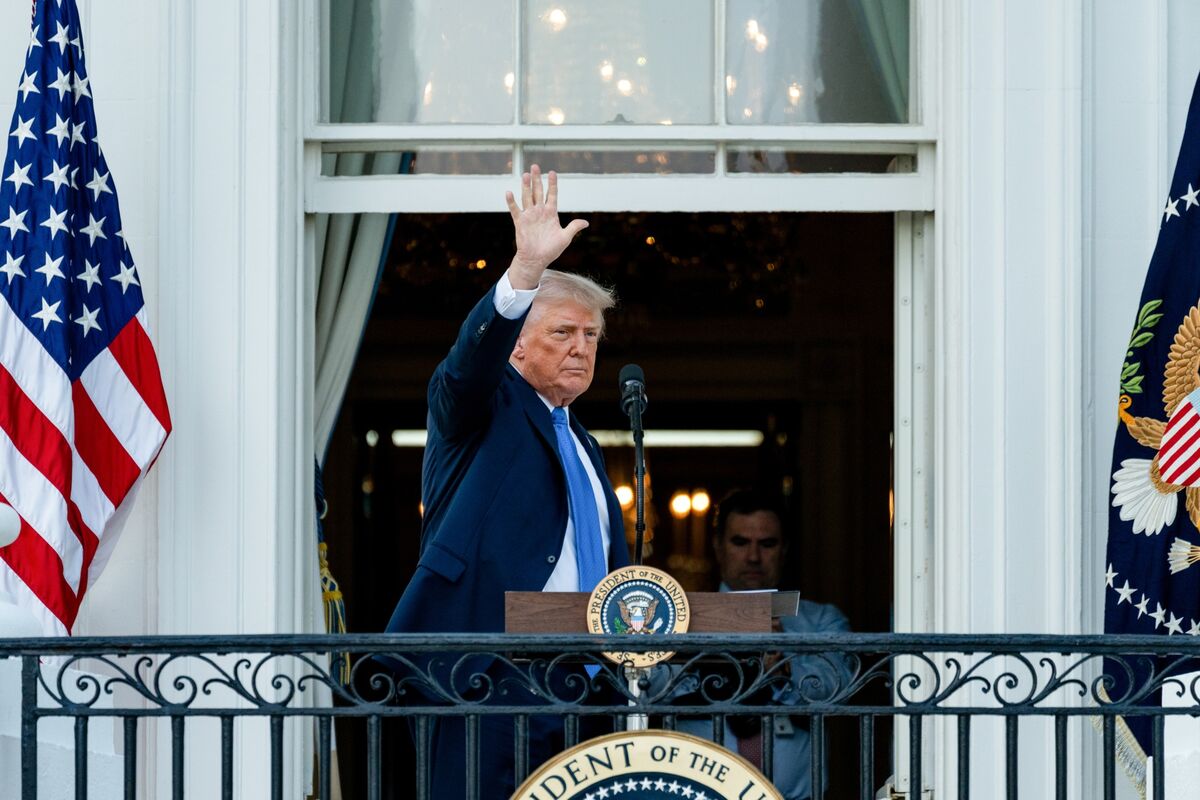
President Trump's attempts to quickly strike deals with Russia, China, and Iran, as promised during his campaign, have so far been unsuccessful, with leaders from these countries rebuffing his advances in the last 48 hours. Trump's pledges to resolve the Ukraine conflict, secure a trade agreement with China's President Xi Jinping, and renegotiate the Iran nuclear deal have not yet materialized, indicating a potential challenge to his deal-making approach with global strongmen.
President Donald Trump's heralded "Art of the Deal" diplomatic strategy is facing notable challenges upon his return to the White House, as evidenced by recent rebuffs within the last 48 hours from leaders in Russia, China, and Iran. Despite campaign promises for swift accords, efforts to resolve the Ukraine conflict, secure a trade deal with Chinese President Xi Jinping, and achieve a revised nuclear agreement with Iran have not yet yielded results. This situation, contributing to a mildly negative sentiment score of -0.3, suggests that President Trump's preferred negotiation tactics are meeting resistance from key global figures he professes to admire. While the immediate market impact score is currently low at 0.2, the underlying issues pertain to significant themes of "Geopolitics & War" and "Trade Policy & Supply Chain," indicating that prolonged diplomatic stalemates could introduce broader market uncertainty and affect international relations.
AI-powered research, real-time alerts, and portfolio analytics for institutional investors.
Request DemoOverall Sentiment
mildly negative
Sentiment Score
-0.30
