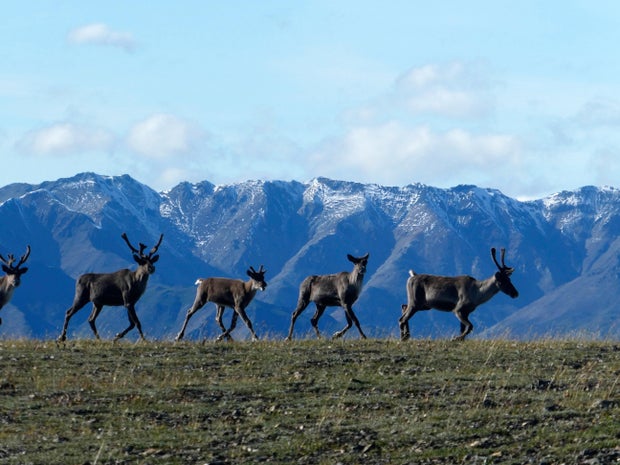
An Alaska judge allowed the state to continue its bear-removal program, including helicopter shooting, during the upcoming Mulchatna caribou calving season. The program is aimed at helping a herd that fell from about 190,000 animals at its peak to roughly 16,280 last year, with the state saying bear predation control has improved herd response since 2023. The ruling preserves a controversial wildlife management plan amid ongoing litigation from conservation groups.
This ruling mostly matters as a signal that Alaska will keep prioritizing predator control over procedural risk for the next calving window, which pushes the issue from a courtroom fight into an operational one. The first-order market implication is not wildlife optics; it is the precedent that the state can keep spending political and budgetary capital on low-evidence, high-friction interventions even when the biological attribution is contested. That raises the odds of more litigation, more emergency-rule churn, and a longer feedback loop before any policy is reversed.
The second-order effect is on conservation NGOs and tribal/subsistence stakeholders, where the case may harden fundraising and advocacy but also expose a credibility gap if herd recovery does not accelerate meaningfully over the next 1-2 seasons. If the population data fails to improve, this becomes a governance failure story rather than an environmental management story, and Alaska agencies will face pressure to pivot toward habitat, disease, and forage drivers. The biggest risk to the state’s thesis is that predator removal delivers visible short-term optics but weak medium-term herd response, which would make the program easier to attack in court.
The contrarian read is that the court’s willingness to let the program proceed increases the probability of continued action bias, but not necessarily of success. That means the consensus may be overpricing near-term efficacy and underpricing the probability of a messy reversal if calving data disappoints by late summer or fall. In that scenario, the policy choice becomes a liability for the state: higher legal costs, reputational damage, and little measurable biological benefit.
AI-powered research, real-time alerts, and portfolio analytics for institutional investors.
Request DemoOverall Sentiment
neutral
Sentiment Score
-0.05
