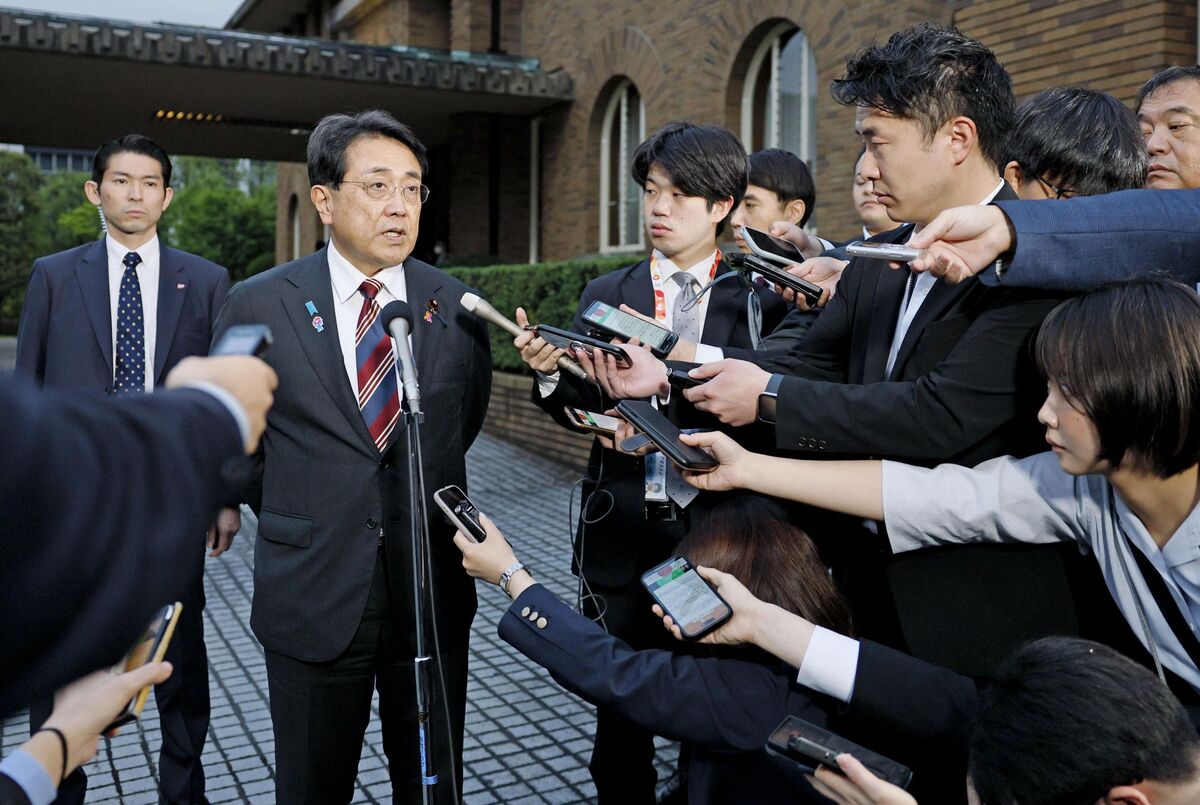
Asian trade delegations, notably from Japan, India, and Indonesia, have logged over 770 hours and 20 trips to Washington since April 2 in an intensive but largely unsuccessful effort to secure trade agreements with the US following President Trump's "reciprocal" tariffs. The continued, high-volume travel despite elusive final deals underscores persistent global trade tensions and the ongoing diplomatic challenges in resolving them.
Intensive diplomatic efforts by Asian trade delegations have yet to yield concrete agreements with the U.S. following the administration's announcement of 'reciprocal' tariffs on April 2. Negotiators from key economies including Japan, India, and Indonesia have undertaken at least 20 trips to Washington, accumulating over 770 hours of air travel, yet final deals remain elusive. This sustained but so far unsuccessful engagement underscores the significant diplomatic challenges and persistent friction in global trade relations. The ongoing nature of these high-stakes negotiations, without clear resolution, perpetuates an environment of uncertainty for businesses reliant on trans-Pacific supply chains and exposes a key risk factor for global markets sensitive to trade policy shifts.
AI-powered research, real-time alerts, and portfolio analytics for institutional investors.
Request DemoOverall Sentiment
mildly negative
Sentiment Score
-0.20
