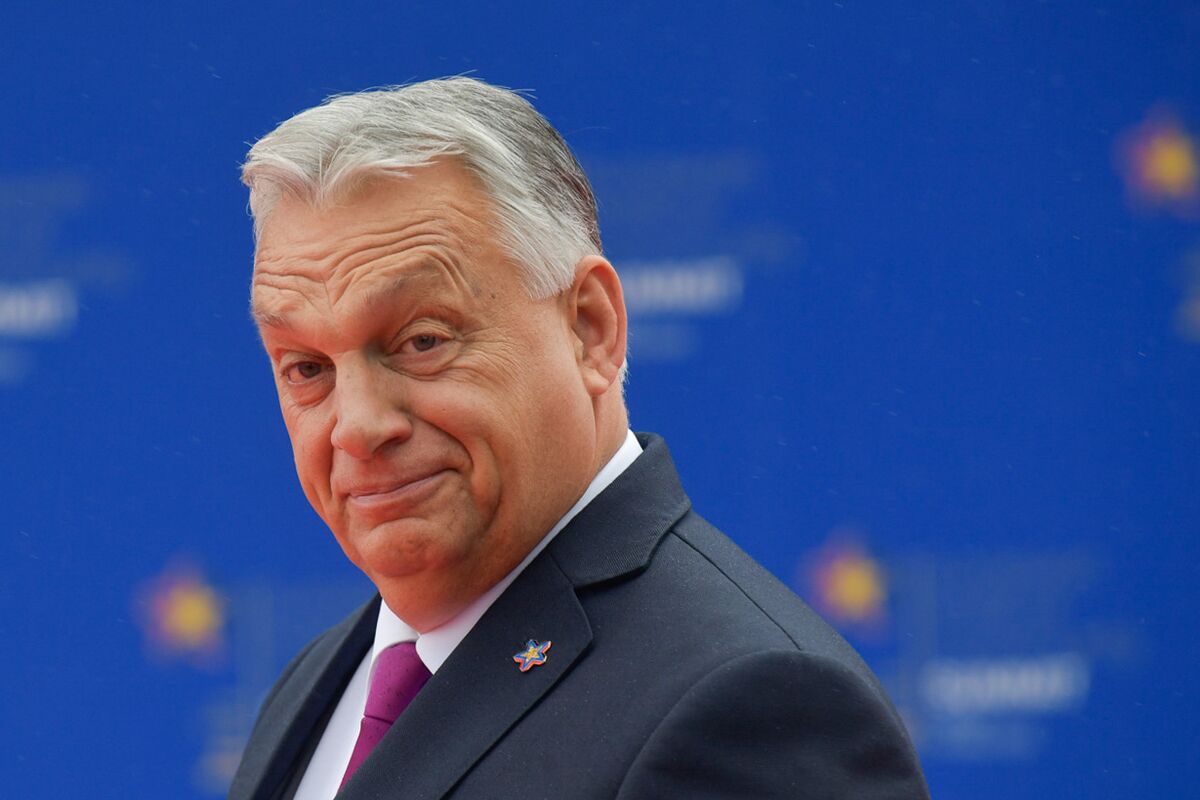
Hungary's parliament is set to debate legislation targeting civil society and media organizations that receive foreign funding and are deemed a threat by a state agency established by Prime Minister Viktor Orban's government. The proposed rules aim to bolster national sovereignty by ensuring transparency among groups operating in the public interest, raising concerns about potential restrictions on dissent ahead of Hungary's upcoming election.
The Hungarian parliament is set to debate legislation targeting civil society and media organizations that receive foreign funding, framing these rules as measures to "strengthen national sovereignty" and ensure "transparency." This initiative, driven by Prime Minister Viktor Orban's government, is perceived as a move to potentially root out dissent, particularly significant as it precedes an upcoming election and follows Orban's past remarks questioning the necessity of democracy. The provided signals indicate a negative sentiment (-0.3 score) and a pessimistic tone surrounding these developments. While no specific entities are mentioned, the situation points to an increase in political and regulatory risk within Hungary, potentially impacting the operational environment for organizations reliant on foreign capital and raising concerns about the broader democratic landscape. The market impact score of 0.3 suggests a moderate level of perceived market sensitivity to these political shifts.
AI-powered research, real-time alerts, and portfolio analytics for institutional investors.
Request DemoOverall Sentiment
Negative
Sentiment Score
-0.30
