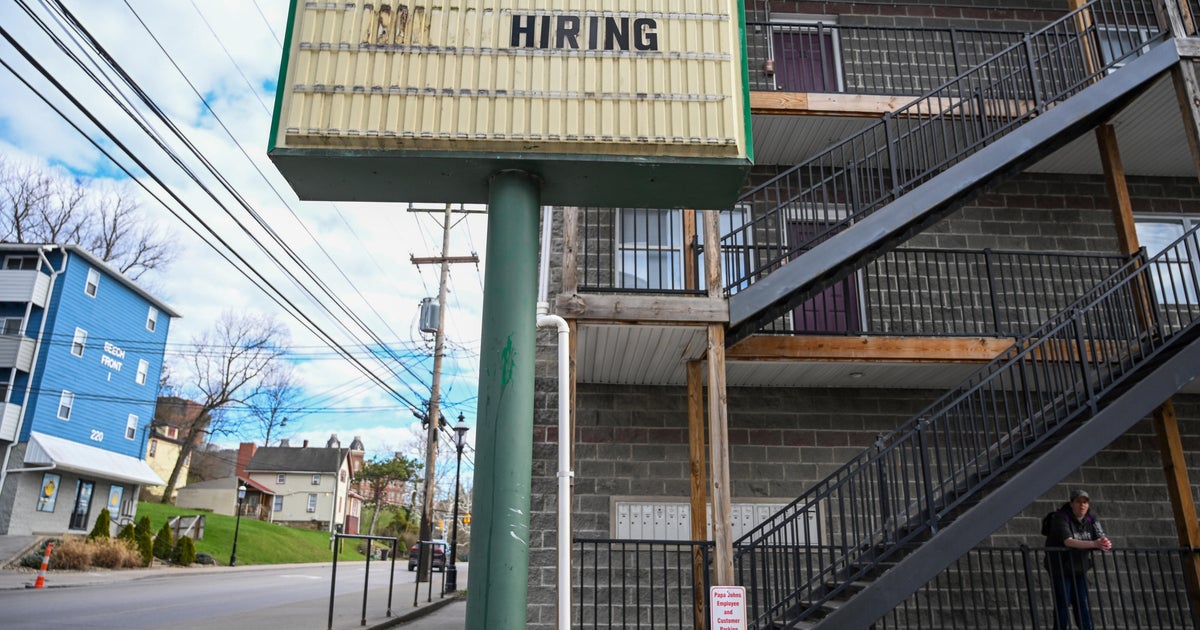
Unilever implemented a three-month hiring freeze citing 'macroeconomic and geopolitical realities' as the immediate catalyst; U.S. employers shed 92,000 jobs in February while economists' consensus (FactSet) expects a modest rebound of ~60,000 jobs in March. Rising energy costs (Brent ~ $102/bbl), higher transportation and fertilizer-driven food costs, and tariff-related uncertainty are likely to constrain hiring and discretionary spending, with Goldman Sachs modeling a potential 0.2 percentage-point increase in unemployment to 4.6% by end-September if pressures persist.
An energy-driven cost shock transmits to packaged-goods margins through two levers: higher direct fuel/bunker costs for distribution and higher feedstock/fertilizer-linked raw material costs. A back-of-envelope: each $10/bbl rise in Brent typically raises distribution+energy COGS by ~30–80bps for a global CPG, which for a $50bn revenue company equates to a ~$150–400m EBITDA hit before pricing or mix changes — that magnitude shows up in reported margins within 1–3 quarters as contracts roll and freight terms reset.
Consumers reallocate when fuel share of wallet rises; empirical elasticities imply a 0.2–0.4% GDP-equivalent drop in discretionary spending per persistent $10 of gasoline, concentrating pain in travel/leisure and higher-end discretionary retail within 2–6 months. That reallocation creates asymmetric demand risk: staples with strong pricing power can pass through to consumers slowly, while value-tier brands and high-SG&A discretionary players see margin and volume pressure first.
On the supply side, war-risk premiums raise freight/insurance costs by material per-TEU increments and incentivize route changes that lengthen voyages (lifting bunker consumption and lead times). Fertilizer tightness is a direct earnings lever for fertilizer producers and a cost push for food processors; winners will be capital-light commodity vendors and integrated producers with flexible distribution.
Tail risk is a sustained Brent >$120 for 60+ days or a chokepoint disruption — both would materially impair demand and push unemployment/upside labor-cost volatility. Reversal scenarios include rapid de-escalation, unilateral large production releases, or freight-insurance normalization; each could reverse relative performance within 30–90 days, so trades should be sized and time-boxed around these catalyst windows.
AI-powered research, real-time alerts, and portfolio analytics for institutional investors.
Request DemoOverall Sentiment
mildly negative
Sentiment Score
-0.25
Ticker Sentiment
