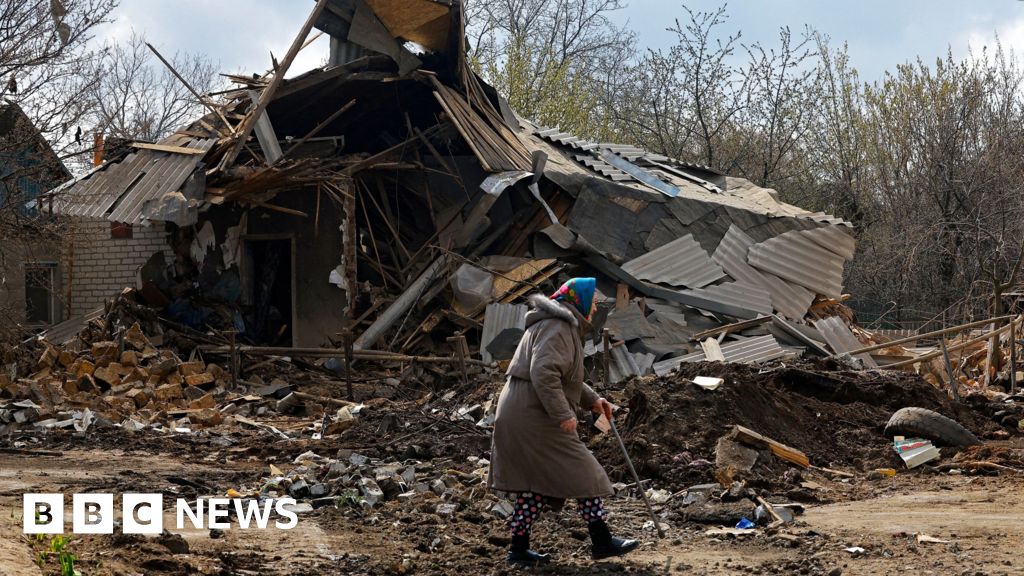
Ukraine and Russia accused each other of more than 2,000 ceasefire violations during the Easter truce, with Kyiv citing 2,299 breaches and Moscow citing 1,971. The ceasefire remains fragile, with drone strikes, attempted counter-attacks, and casualty reports underscoring continued escalation risk. Moscow said attacks will resume on Monday, limiting hopes for any extension or near-term progress in peace talks.
This is less a ceasefire signal than a read-through on the durability of negotiation optics. The market implication is that headline-driven de-escalation is fragile and most likely to matter only if it survives beyond the religious holiday window; absent that, the conflict reverts to a slow-burn attritional pattern that keeps risk premia embedded in European defense, energy-security, and Eastern Europe sovereign spreads. The immediate second-order effect is not on frontline assets, but on anything sensitive to perceived escalation risk: Europe’s gas optionality, defense procurement urgency, and rail/industrial logistics through the Black Sea corridor.
The key contrarian angle is that failed truces can be bullish for selective defense names, but only if investors distinguish between short-lived headline spikes and actual budget conversion. If the ceasefire collapses quickly, the strongest trade is not broad “war beta” but contractors with near-term order visibility and munitions bottlenecks, because replenishment cycles are the part of the supply chain least dependent on diplomatic progress. Conversely, any extension beyond a few days would likely compress tactical defense volatility and reduce the urgency premium in European energy stocks.
Catalyst structure matters: over the next 24-72 hours the market will care about whether either side preserves a pause in long-range strikes; over the next 1-3 months the real variable is whether this becomes a template for limited deconfliction or just another failed gesture before summer operations. A genuine thaw would pressure defense multiple expansion and lower geopolitical hedging demand, but that scenario still looks low probability given the asymmetry in stated endgames. The bigger tail risk is renewed attacks on infrastructure, which would reprice European power/gas and defense procurement expectations faster than broader equities.
Bottom line: this is a volatility event, not a regime change. The optimal positioning is to own beneficiaries of sustained attrition while fading any knee-jerk move in broad Europe risk assets if the ceasefire chatter extends without verification on the ground.
AI-powered research, real-time alerts, and portfolio analytics for institutional investors.
Request DemoOverall Sentiment
mildly negative
Sentiment Score
-0.35
Ticker Sentiment
