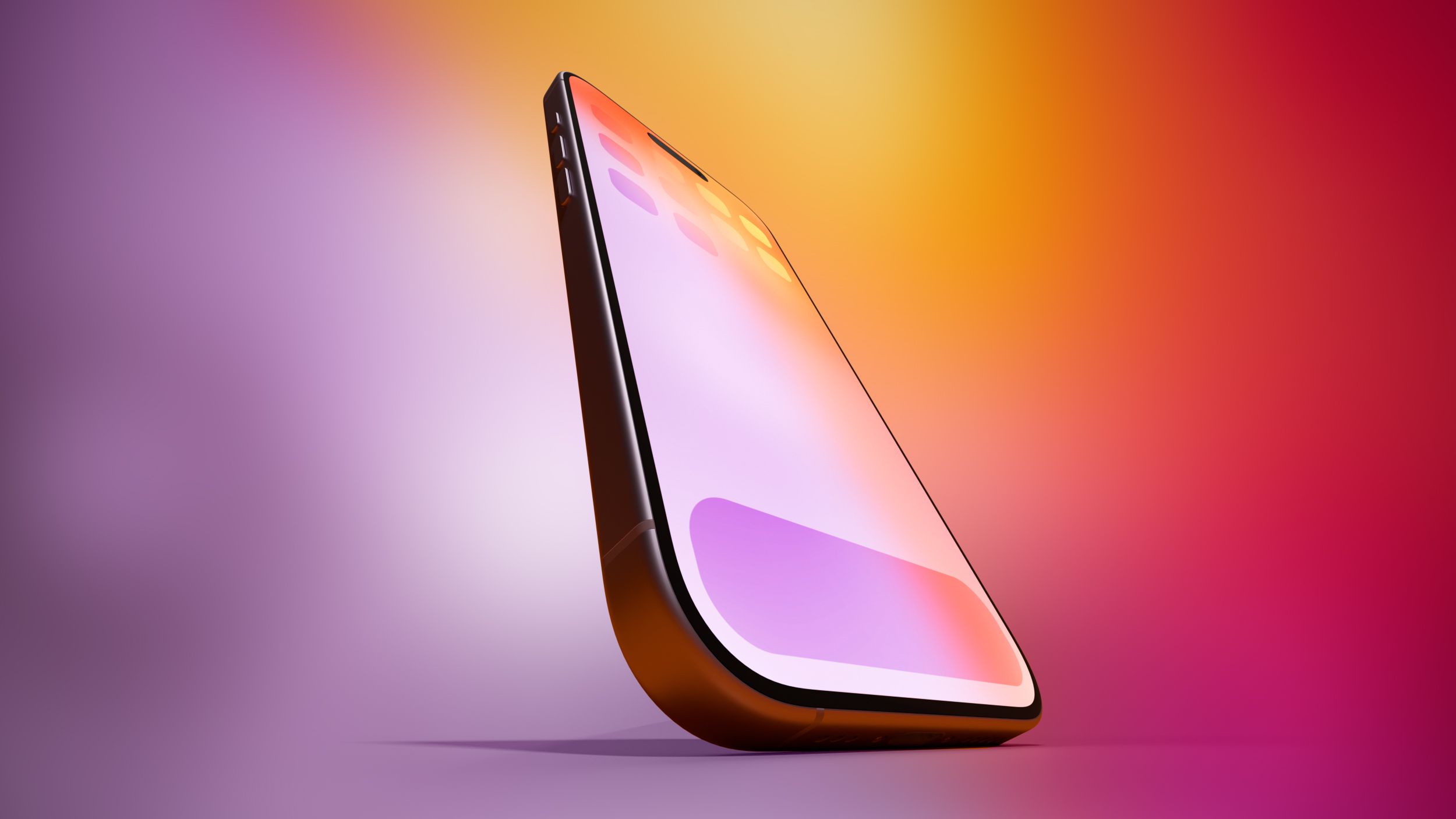
Foldable iPhone is expected to be unveiled in September (this year) with reports citing a 7.7-inch inner display and 5.3-inch outer display and book-style folding; iOS 27 is expected to include side-by-side app optimization. A separate 20th‑anniversary iPhone with an edge-to-edge, curved glass design and under‑display/front‑camera integration is rumored for as early as 2027. John Ternus is said to be overseeing these major iPhone revamps, and supply‑chain/analyst leaks suggest hardware changes including two rear cameras and a Touch ID power button instead of Face ID for the foldable model.
Apple pushing meaningful new form factors is a capital-expenditure and engineering intensification rather than a pure demand lever — expect the first generation to be a halo product that commands a 10–30% ASP premium but compresses device-level gross margin by ~150–350bps in year-one because of higher bill-of-materials and warranty/return risk. That dynamic favors suppliers with proprietary materials and precision manufacturing (ultra-thin glass, hinge subsystems, under-display imaging) more than broad-based contract manufacturers; revenue for those specialists will be lumpy and concentrated in multi-quarter windows tied to production ramps.
Competitively, the move reshapes the battleground from pure price/performance to industrial design and supply lock-ups. Incumbent display and optical leaders who can guarantee yield and low-defect rates gain outsized bargaining power and can extract better pricing and longer-term contracts; rivals without those capabilities face margin pressure and may accelerate promotions or aggressive trade-in programs, which temporarily reallocates upgrade demand rather than expanding it.
Key near-term catalysts and risks center on manufacturability and software integration. Yield shortfalls, visible crease or under-display camera quality problems, or delayed iOS refinements would be the fastest routes to negative headlines and a retracement in sentiment; conversely, clean teardowns showing proprietary UTG/hinge solutions and measurable user-engagement uplifts would be the primary positive catalysts. Time horizons: watch for announcement and software demos (near-term), production ramp and margin disclosures (3–12 months), and any meaningful share-shift or supplier contract reveals (12–36 months).
AI-powered research, real-time alerts, and portfolio analytics for institutional investors.
Request DemoOverall Sentiment
mildly positive
Sentiment Score
0.12
Ticker Sentiment
