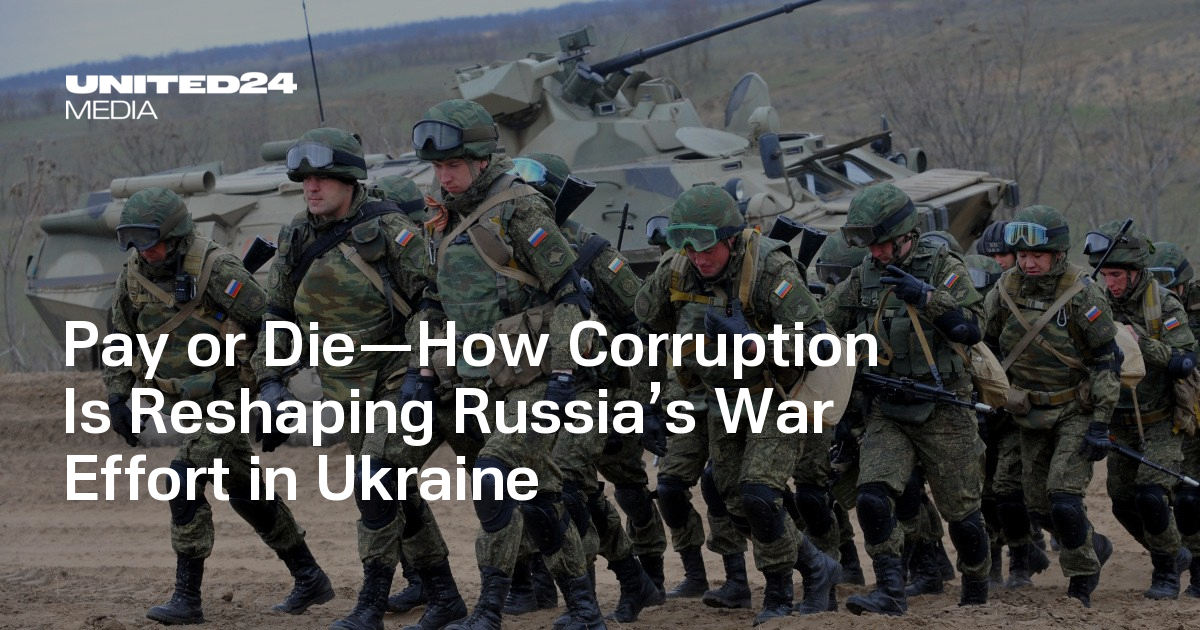
Soldiers report systemic extortion in Russian frontline units with concrete amounts: a 2.5M ruble (~$30k) signing bonus, roughly 6M of ~8M rubles of one recruit’s payments spent on gear and commander pay, ~1M rubles paid to avoid assaults, and ~100k rubles paid for leave. Commanders allegedly confiscate cards, exploit accounts of the dead, and sell medical exemptions, undermining unit readiness and morale. The corruption-driven degradation of combat effectiveness raises geopolitical risk and could prompt Kremlin responses (limited reserve call-ups, expanded recruitment), with implications for defense-sector exposure and emerging-market risk pricing.
Corruption-driven attrition inside Russian units functions like a hidden negative production shock: it reduces effective manpower per contract ruble and forces commanders to monetize everything short of territory. That dynamic raises demand for one-way, low-skill force multipliers (cheap drones, loitering munitions, artillery shells) and for contract security solutions — procurement that is faster and commodity-like versus long-lead platforms. Expect procurement mix to shift within 3–18 months toward high-volume, commercially-derived components rather than state-led, platform-level investments.
A predictable supply-chain consequence is a bifurcation: commodity electronics and COTS sensors will see volume spikes (supporting MCU/sensor/PMIC vendors and Chinese OEM drone supply chains), while systems integrators that can aggregate those modules into hardened, export-compliant kits capture outsized margin. NATO and EU members face lower political friction to buy proven Western integrators and munitions — a budget reallocation that typically shows up in procurement awards 6–18 months after a sustained operational signal. Sanctions and export controls will redirect flows, increasing margins for sanctioned-exempt suppliers and pushing black‑market intermediaries.
Key catalysts to watch are Kremlin mobilization policy and a flurry of procurement awards or emergency contracting notes; either could re-rate defense primes within weeks or, conversely, collapse demand if Russia centralizes and funds units directly. Tail risks include rapid Russian re-centralization or a political settlement that collapses the demand impulse — both are low-probability within 6 months but material over 12–24 months. The consensus underestimates how corruption converts manpower problems into persistent demand for expendable, high-volume systems rather than large platforms — favor suppliers closest to that production curve.
AI-powered research, real-time alerts, and portfolio analytics for institutional investors.
Request DemoOverall Sentiment
strongly negative
Sentiment Score
-0.85
