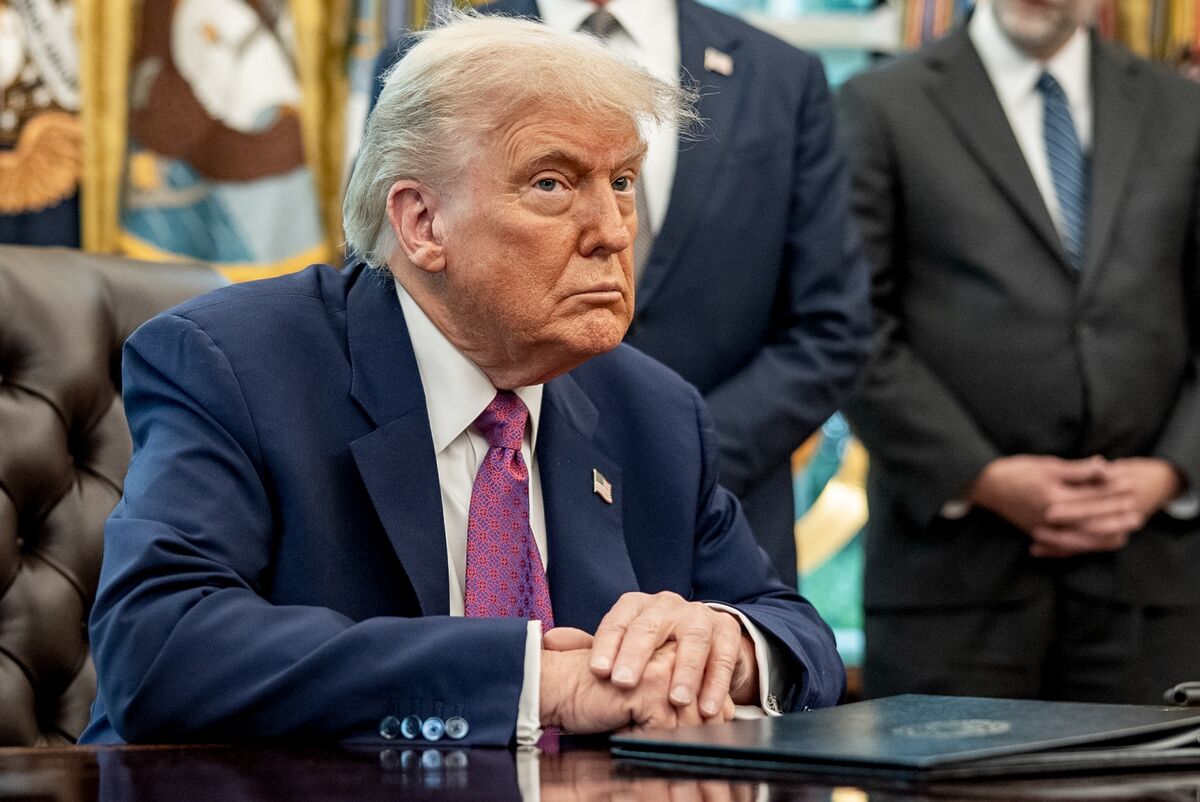
A U.S. Court of Appeals ruling allows Donald Trump to continue enforcing global tariffs, granting the administration's request for an extension while it challenges a lower court ruling that had blocked the tariffs. The Justice Department argued that trade negotiation concerns outweigh the economic harm claimed by small businesses challenging the tariffs.
A U.S. Court of Appeals for the Federal Circuit has ruled to allow the Trump administration to continue enforcing its global tariffs, granting an extension while the administration challenges an earlier lower court decision that had blocked these measures. The Justice Department successfully argued that the U.S. officials' concerns regarding ongoing trade negotiations outweighed the economic harm claims presented by small businesses. This legal decision means that the existing tariff regime, a key component of the administration's economic policy, will remain in place for a longer duration, prolonging the current trade environment. The associated "mixed" sentiment and a market impact score of 0.5 indicate continued uncertainty for sectors exposed to international trade and potential for ongoing adjustments by businesses affected by these tariffs, as the ultimate resolution depends on further legal proceedings and trade policy developments.
AI-powered research, real-time alerts, and portfolio analytics for institutional investors.
Request DemoOverall Sentiment
mixed
Sentiment Score
0.00
