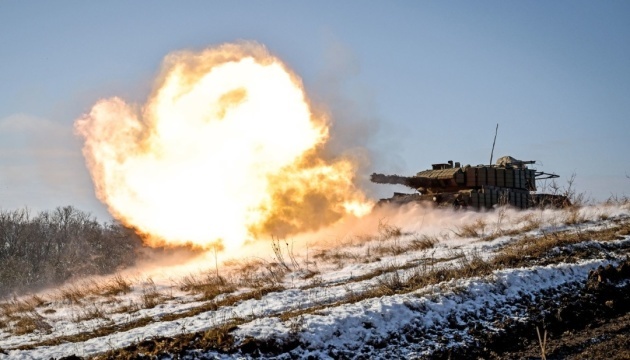
Ukrainian General Staff reported 131 frontline clashes as of 08:00 on Jan 1, with Russian forces carrying out 77 air strikes (dropping 182 guided bombs), 3,587 shellings including 84 MLRS strikes, and employing 6,406 kamikaze drones; intense fighting occurred across multiple sectors with 33 assaults repelled in the Pokrovsk sector. Ukrainian forces struck two concentrations of Russian personnel and a UAV control point, while Russian reported cumulative combat losses since Feb 24, 2022 reached roughly 1,208,970 (including 1,060 the previous day). The sustained high-intensity operations, heavy use of drones and MLRS, and continued attrition sustain regional geopolitical risk premia and are likely to keep upward pressure on defense exposure and maintain risk-off sentiment in affected markets.
Market structure: Persistent high-intensity attacks and heavy drone/MLRS use are a structural win for defense primes (LMT, NOC, RTX) and ISR/satellite imagery providers (MAXR) via multi-year procurement tails; expect 12–36 month contract visibility and improving pricing power for counter-UAS, munitions, and sensors. Negative pressure falls on European travel/airlines, insurers, and regional EM credits with tighter risk premia; agricultural supply tightness keeps upward pressure on wheat/fertilizer prices in the next 3–6 months.
Risk assessment: Tail risks include NATO kinetic escalation, major energy cutoffs to Europe, or cyber disruption of logistics — low probability but >10–15% portfolio shock potential. Timeframes: immediate (days) = volatility and FX swings; short-term (weeks–months) = commodity shocks and aid-package-driven equity rerates; long-term (1–3 years) = sustained defense budgets and reshored supply chains. Hidden dependencies: microelectronics, urgent congressional funding votes, and insurance exclusions for war losses.
Trade implications: Favor tactical longs in defense primes and ISR with 6–12 month horizons, hedge with gold/USD for 0–3 months, and implement relative-value long-defense vs short-airline pair trades. Use options to convert conviction into defined-risk exposure (9–12 month call spreads on LMT/RTX; 12-month call spread on MAXR). Entry triggers: act when 7-day avg of reported attacks remains >500 or VIX>18; take profits on 20–30% moves, cut at 8–12% loss.
Contrarian angles: Consensus underestimates procurement lead times and overestimates near-term commodity scarcity normalization — ISR and counter-UAS suppliers are underowned while some agricultural plays may be priced for worst-case. Reaction may be underdone in defense SMID names and overdone in cyclical European banks/airlines. Unintended consequences include accelerated onshoring of defence electronics (benefiting chipmakers with secure fabs) and persistent higher real yields that pressure long-duration growth assets.
AI-powered research, real-time alerts, and portfolio analytics for institutional investors.
Request DemoOverall Sentiment
moderately negative
Sentiment Score
-0.45
