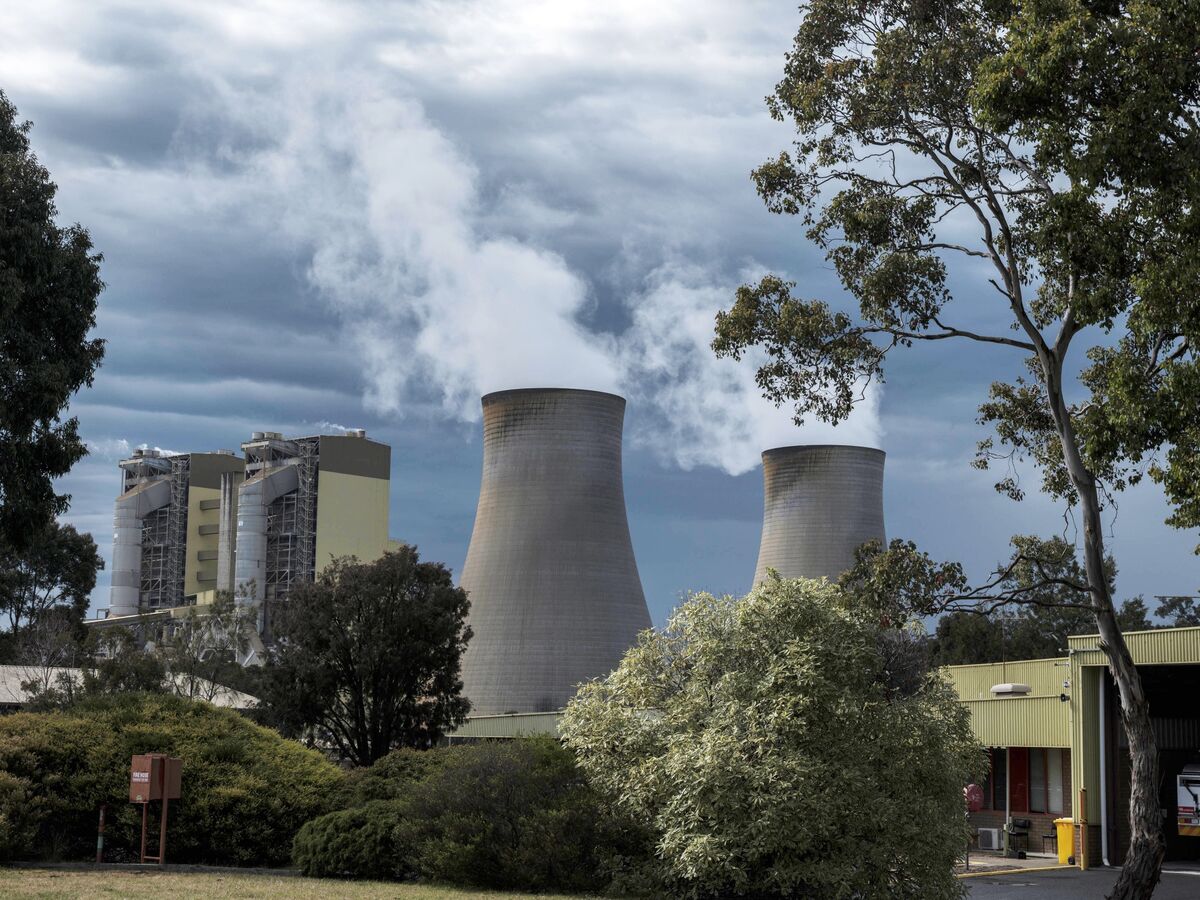
Australia lost its bid to host next year’s COP summit in Adelaide and the governing Coalition has abandoned its commitment to net-zero emissions by 2050, a policy reversal that has reignited domestic climate politics. The twin developments raise policy uncertainty for decarbonisation pathways, potentially slowing renewable project approvals and complicating ESG and sustainable finance strategies tied to Australian assets and carbon markets.
Market structure: Political rollback of net‑zero and losing the COP hosting advantage materially shifts near‑term winners to Australian hydrocarbon producers (Woodside WDS.AX, Santos STO.AX, Whitehaven WHC.AX) and incumbents with fossil fuel assets, while developers reliant on subsidies and carbon pricing (AGL.AX, small renewables developers) face demand and policy headwinds. Expect a 10–25% re‑rating dispersion across energy names over 3–6 months as investors reprice policy risk and differentiated balance‑sheet resilience.
Risk assessment: Immediate (days) risks are sentiment shocks — AUD down 1–3% and renewable mid‑caps gapping lower; weeks/months hinge on government policy papers and budget provisions that can reverse flows; long‑term (12–36 months) tail risk is international investor divestment or trade/finance frictions that could reduce foreign capex by 5–10% into Australian energy/infra. Hidden dependencies: Australian carbon permit pricing and international corporate buyer policies; a >15% drop in carbon prices would amplify renewables stress.
Trade implications: Tactical overweight energy and materials, underweight uncontracted renewable developers. Specific instruments: buy WDS.AX/STO.AX equities and 3–6M call spreads to lever exposure; short AGL.AX or renewable developer names via shares or 3M puts for downside protection. Rotate 3–6% portfolio weights from renewable mid‑caps into large cap miners (BHP.AX, RIO.AX) and LNG exporters, executing within the next 2 weeks and trimming winners at +15–25%.
Contrarian angles: The market may overprice permanence of policy reversal — global decarbonisation and corporate purchasing remain intact, creating 12–24 month mean‑reversion opportunities in select renewables with contracted cash flows (Origin ORG.AX). Consider small, staged re‑entries into high‑quality renewables if carbon prices stabilise or if foreign investment flows recover by >5% quarter‑over‑quarter.
AI-powered research, real-time alerts, and portfolio analytics for institutional investors.
Request DemoOverall Sentiment
moderately negative
Sentiment Score
-0.40
