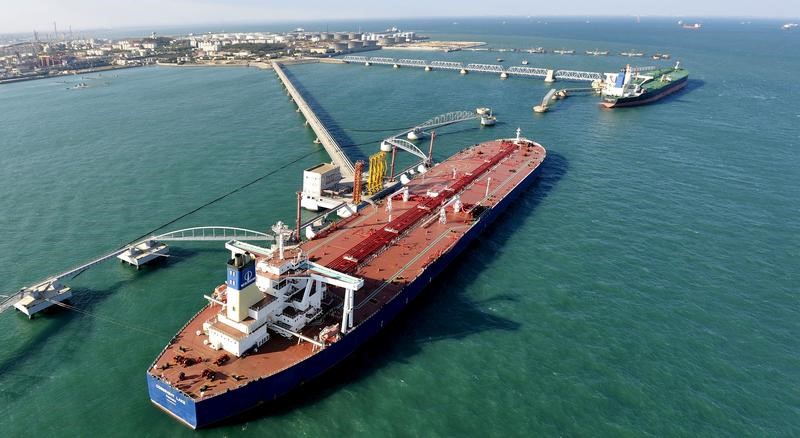
The U.S. disabled another oil tanker in the Gulf of Oman as part of its Iran-related shipping blockade, with India reporting three missing seafarers after the strike on the Palau-flagged Settebello. Centcom said it has now disabled 8 non-compliant vessels, redirected 134 ships, and allowed 42 humanitarian vessels through since April 13. The escalation raises geopolitical risk for Middle East shipping lanes and global oil flows, and helps explain the risk-off move in equities.
This is not just an oil-risk headline; it is a shipping-system repricing event. Once a major power starts physically disabling tankers rather than merely seizing cargo, the market shifts from a sanctions discount to a war-risk premium across the entire Gulf/Oman routing network. The first-order effect is higher crude and product transport costs, but the second-order effect is wider: counterparties will demand more optionality, more storage, and more non-Gulf barrels, which supports tanker rates, inland inventories, and upstream producers outside the region. The most vulnerable assets are the ones with the least routing flexibility: refined-product importers in Asia, integrated refiners dependent on Middle East feedstock, and any industrials with just-in-time supply chains tied to the Strait of Hormuz corridor. Even if barrels keep moving, insurance and charter costs can rise faster than spot crude, creating a hidden tax on downstream margins before the oil price spike is fully visible. That usually shows up within days in freight equities and within 2-6 weeks in refinery crack spreads, especially for diesel and naphtha-linked products. The bigger tail risk is escalation from selective interdiction to a broader counter-shipping response, which would force physical rationing rather than just financial repricing. If that happens, the market may overestimate how quickly spare barrels can be redirected: tanker availability, port constraints, and refinery slate mismatches are binding in the near term. The reversal case is diplomatic de-escalation or a credible enforcement pause, but absent that, the risk premium likely persists for months because shipowners reprice behavior more slowly than headline volatility. The contrarian view is that the market may still be underestimating the duration of the shock rather than the magnitude. A short-lived spike in crude is easy to hedge; a persistent shipping bottleneck is more powerful because it transmits through freight, inventory, and insurance rather than just spot oil. That favors relative-value expressions over outright energy beta, since the biggest payoff may be in logistics winners and margin losers, not just higher Brent.
AI-powered research, real-time alerts, and portfolio analytics for institutional investors.
Request DemoOverall Sentiment
strongly negative
Sentiment Score
-0.78
