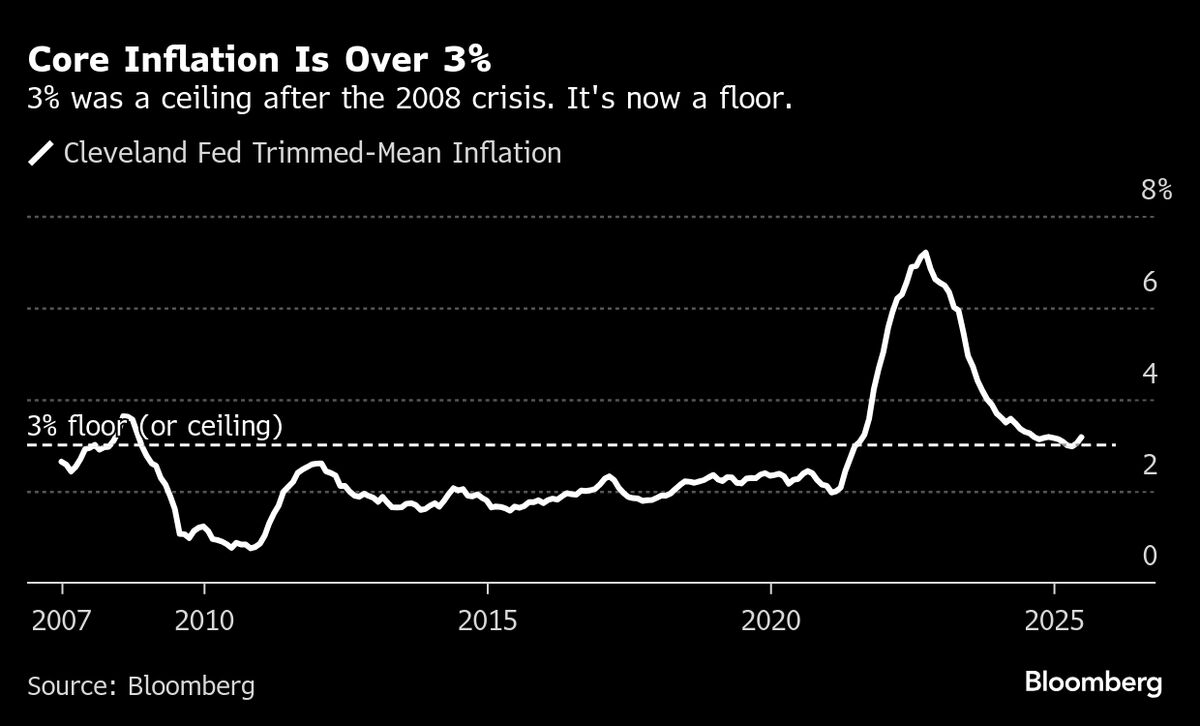
The Federal Reserve maintained interest rates as expected, a decision that is poised to exacerbate ongoing tensions with the White House, which remains frustrated by the central bank's wait-and-see stance. The dual dissents from Governors Christopher Waller and Michelle Bowman further underscore that inflation expectations will likely remain a significant and contentious internal debate within the Fed for the foreseeable future.
The Federal Reserve's decision to maintain current interest rates, while anticipated, introduces significant forward-looking uncertainty due to both internal and external pressures. The primary development is the emergence of a clear internal schism, evidenced by the dual dissents from Governors Christopher Waller and Michelle Bowman, which indicates that inflation expectations are a highly contentious topic within the committee. This internal disagreement complicates the Fed's unified communication strategy and suggests future policy decisions may be less predictable. Compounding this is the explicit political friction with the White House, which is frustrated by the central bank's 'wait-and-see' approach. The combination of internal policy division and external political pressure, reflected in the market's mildly negative sentiment and uncertain tone, elevates the risk profile for future monetary policy decisions.
AI-powered research, real-time alerts, and portfolio analytics for institutional investors.
Request DemoOverall Sentiment
mildly negative
Sentiment Score
-0.40
