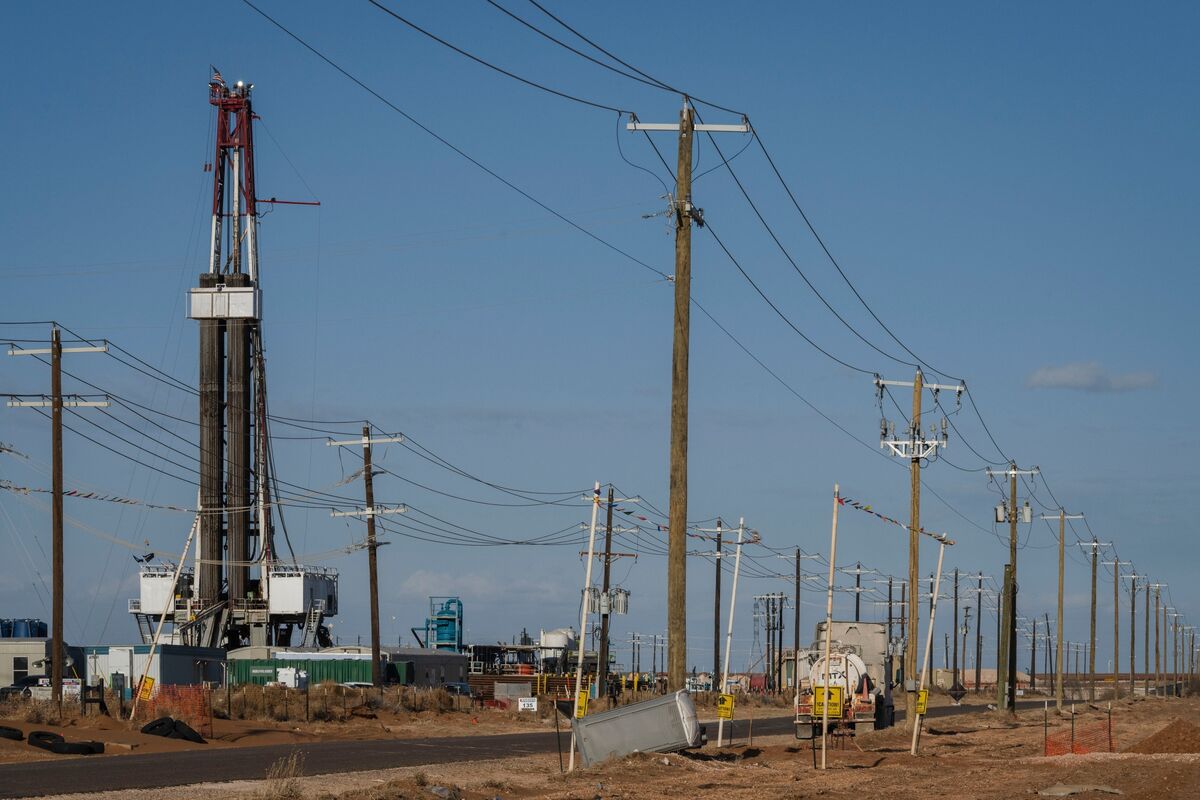
US refiners are increasingly reliant on domestic shale oil from regions like Texas, New Mexico, and North Dakota, consuming the lightest crude diet on record. This pivot is driven by dwindling global supplies of heavier crude varieties, primarily due to declining production from Mexico and the ongoing US ban on Venezuelan oil imports, signaling a significant structural shift in feedstock sourcing for American fuelmakers.
US refiners are undergoing a significant structural shift in their feedstock sourcing, now consuming a record-light crude diet. This change is not discretionary but is driven by tightening supplies of heavier crude varieties. The primary catalysts are declining production from Mexico and the US embargo on Venezuelan oil, which have effectively removed key sources of heavy crude from the market. Consequently, refiners are increasingly dependent on light oil from domestic shale basins in Texas, New Mexico, and North Dakota. This pivot implies that US refiners, particularly those historically configured to process heavier crudes, must adapt their operations, which could impact their product yields and margins. The situation highlights a growing reliance on the domestic shale industry and insulates refiners from certain international supply disruptions while increasing their exposure to the dynamics of US shale production.
AI-powered research, real-time alerts, and portfolio analytics for institutional investors.
Request DemoOverall Sentiment
neutral
Sentiment Score
0.00
