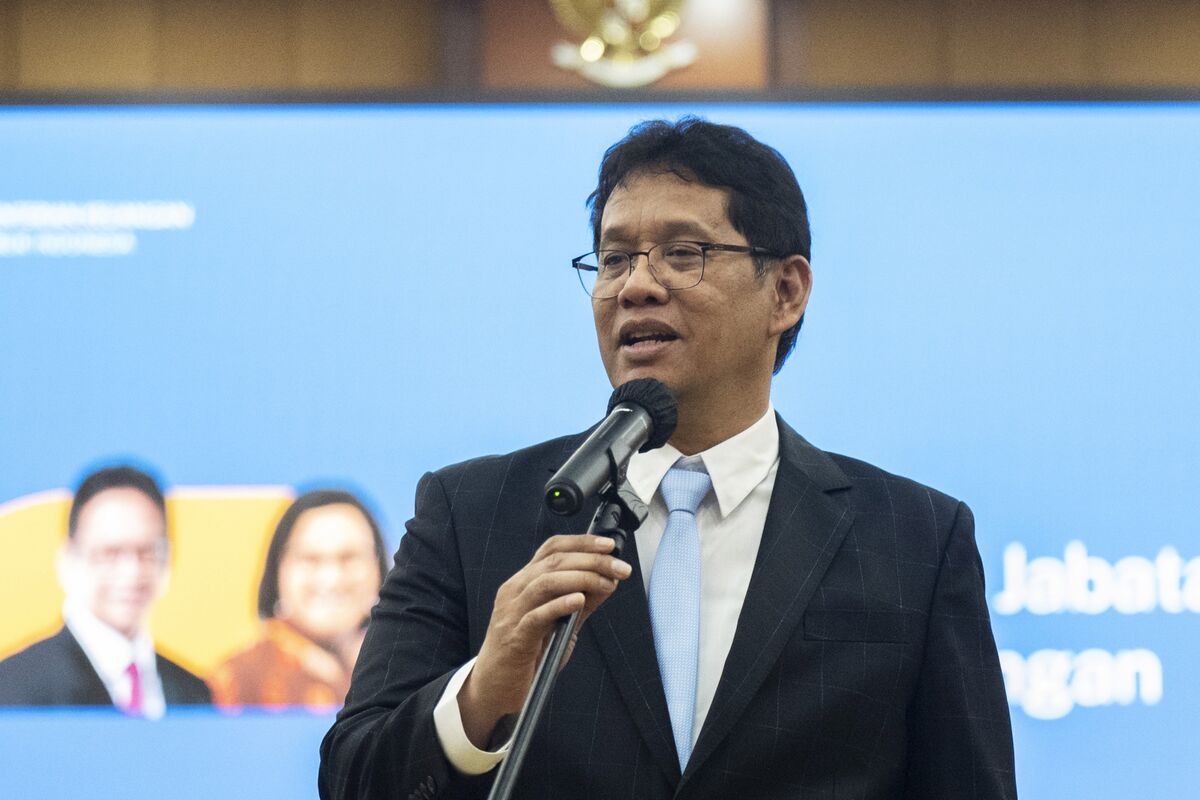
Indonesia's central bank independence is reportedly under threat, with Finance Minister Purbaya Yudhi Sadewa and President Prabowo Subianto advocating for reduced autonomy. This development signals a potential shift towards greater political influence over monetary policy, which could raise concerns among institutional investors regarding the predictability and stability of Indonesia's financial environment.
A significant political risk is emerging in Indonesia as the independence of its central bank is reportedly being challenged by key government figures, including Finance Minister Purbaya Yudhi Sadewa and President Prabowo Subianto. Their reported view that the central bank should not be independent signals a potential move towards greater political influence over monetary policy. This development is critical for institutional investors, as central bank autonomy is a cornerstone of macroeconomic stability and investor confidence in emerging markets. A shift away from independence could subordinate inflation control and financial stability to short-term political objectives, introducing significant uncertainty. The strongly negative sentiment (-0.6) and high market impact score (0.7) associated with this news underscore the market's sensitivity to the erosion of institutional credibility, which could translate into higher risk premiums, increased volatility in the Indonesian Rupiah (IDR), and downward pressure on Indonesian sovereign bonds.
AI-powered research, real-time alerts, and portfolio analytics for institutional investors.
Request DemoOverall Sentiment
strongly negative
Sentiment Score
-0.60
